
Chips, stains or uneven teeth can affect your smile’s appearance. Veneers are thin coverings placed on the front of suitable teeth to change their look. At our Terwillegar practice, we assess your teeth, discuss your concerns and explain whether veneers or another treatment may suit your oral health.


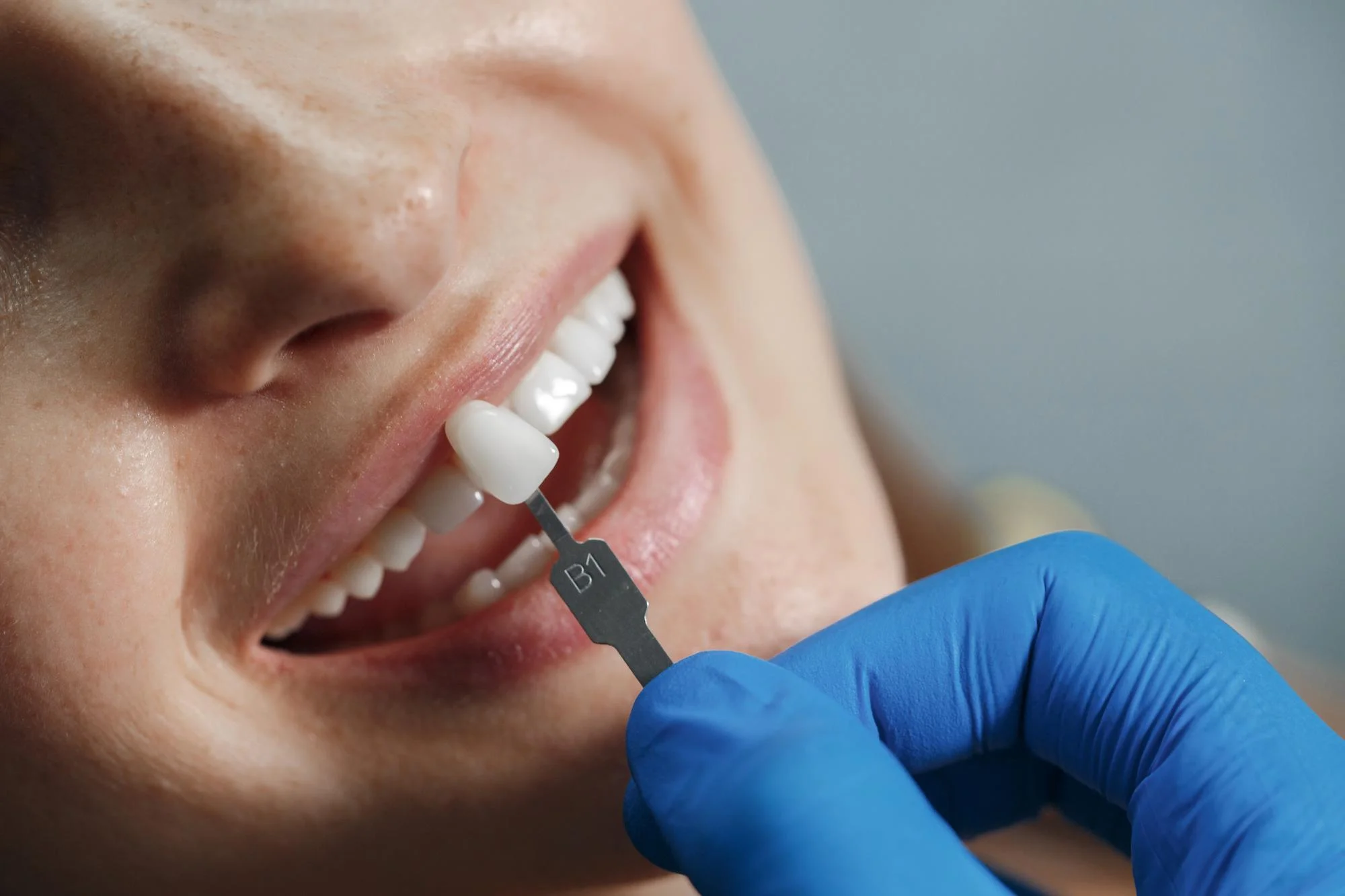
Porcelain or composite resin veneers bond to the fronts of teeth to address colour, shape, small chips or spacing. Your dentist reviews tooth structure, gum health and your goals.
Review tooth colour, shape and enamel to see whether veneers suit your goals.
Compare porcelain and composite veneers — from prep to placement.
Monitor veneers for chips, staining and wear during regular dental visits.
Veneers may help with visible chips, persistent stains or tooth shapes that affect appearance. As veneers do not suit every tooth, an assessment is needed. Your dentist can explain possible changes, treatment limits and other options before you decide on veneers.
Veneers can cover certain stains or colour differences that may not respond to whitening treatment.
Veneers may change the appearance of teeth with uneven edges, irregular shapes or minor wear.
A veneer can cover suitable areas of visible tooth damage when enough healthy structure remains.
Veneers may make certain spaces between teeth less noticeable without moving the teeth.
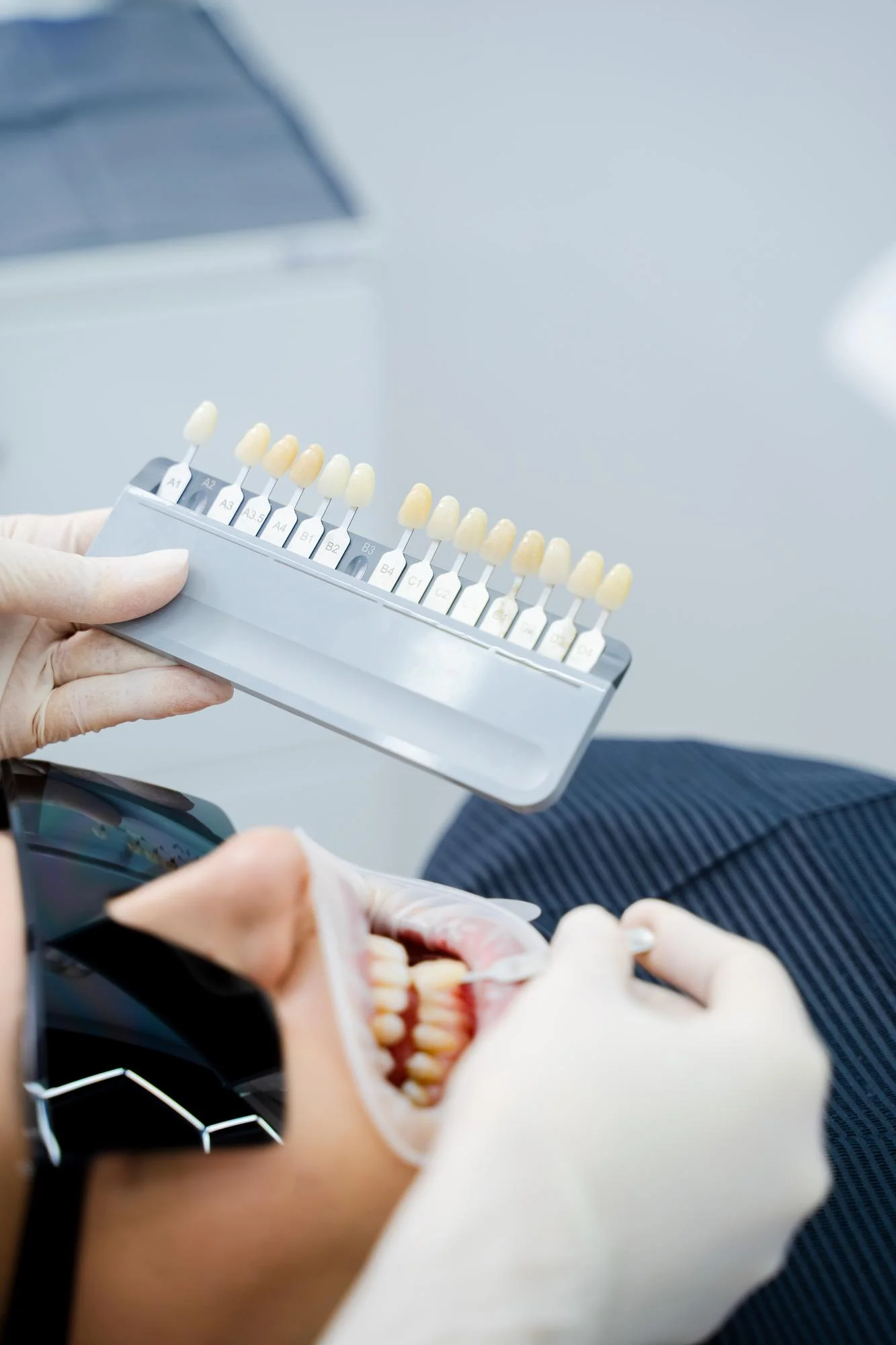
Veneer materials vary. Tooth condition, desired changes and preparation needs guide the choice discussed with you.
Treatment begins with checking your teeth, gums and goals. Your dentist explains materials, preparation and limits. Visits depend on veneer type and tooth condition.

Review the changes you would like to make and any concerns about tooth colour, shape or spacing.
Check enamel, gums, restorations and bite to see whether veneers may suit your teeth and treatment needs.
Prepare tooth surfaces when required and take impressions or digital scans for custom restorations.
Bond the veneers to the teeth, assess their appearance and fit, and explain the recommended aftercare.


Veneers do not suit every dental concern. Your dentist checks enamel, decay, gum health and biting habits before suggesting treatment. Other restorative or orthodontic approaches may be better for some patients.
Adequate enamel and healthy tooth structure are important considerations when planning veneer placement.
Active decay or gum disease may need treatment before veneers can be considered.
Grinding or clenching puts pressure on veneers and can cause damage.
Tooth shape, colour and spacing help show whether veneers or other care may be better.
We discuss your concerns, examine your teeth and explain what veneers may change. Our assessment considers oral health, material options and tooth preparation before we recommend treatment.
Discuss the changes you want and whether veneers could address them.
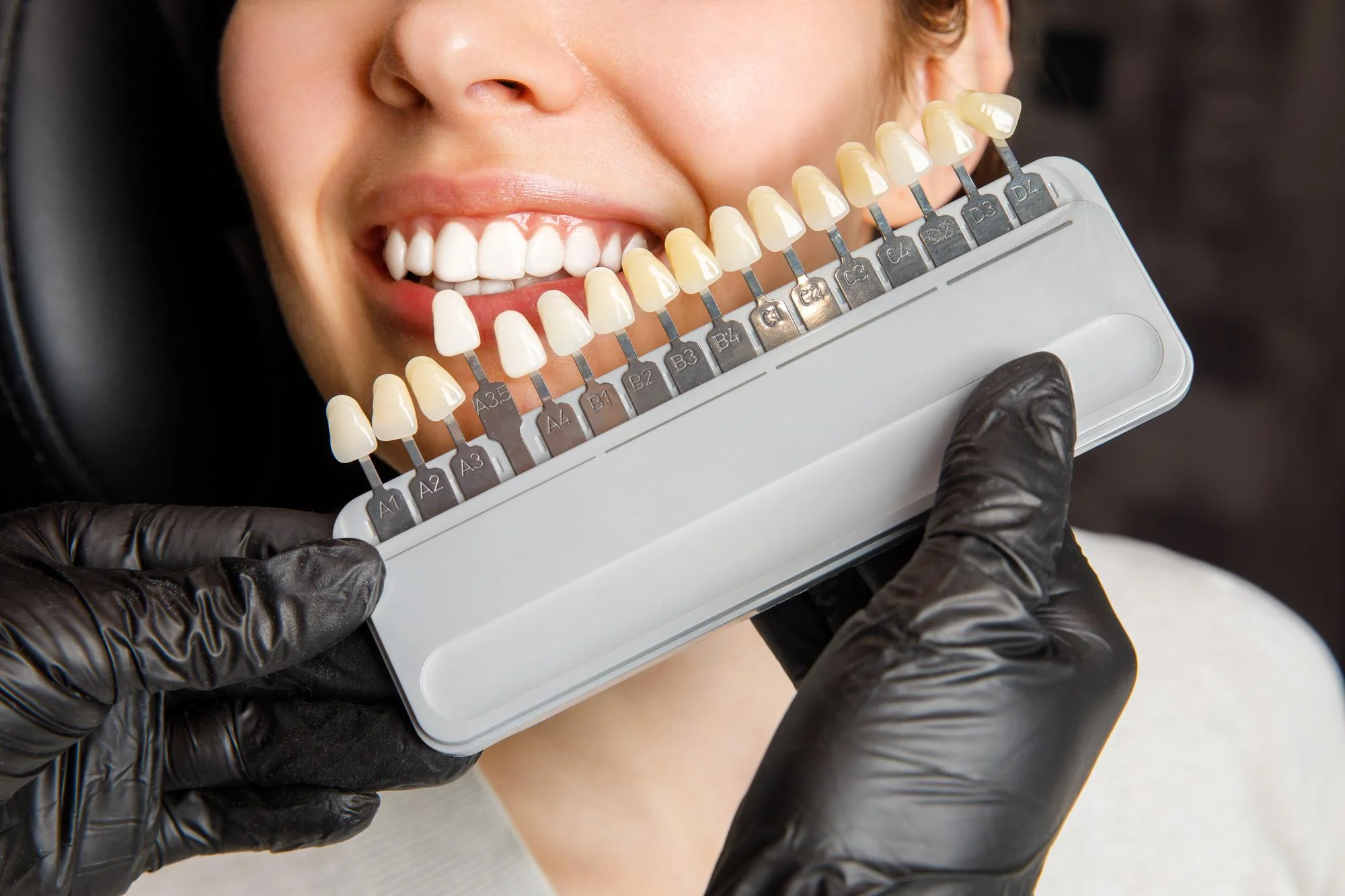
Review enamel changes from preparation and less invasive options.

Compare porcelain and composite resin before choosing a suitable restoration.

Learn how to clean veneers, reduce the risk of damage and recognize changes that require dental attention.

Patients ask about enamel removal, veneer lifespan and maintenance. These answers cover common concerns, but an examination is needed to know whether veneers suit your teeth.
Some veneers require enamel removal to fit. Enamel does not grow back, so this is irreversible. Composite veneers may need less removal, depending on the tooth and method. Veneers can be replaced, but prepared teeth may need restorations. Your dentist should explain this before treatment.
Veneer lifespan varies by material, tooth, bite and habits. Porcelain resists stains better than composite, but both can chip, wear or need replacing. Brush twice daily with fluoride toothpaste, clean between teeth, avoid hard objects and have exams.