
Older silver-coloured fillings may crack, wear or develop decay at their edges. At our Terwillegar practice, we check existing amalgam fillings and explain when repair or replacement may be needed. We consider your oral health, restorative material choices and ways to preserve healthy tooth structure.



Amalgam replacement removes a metal filling to repair the tooth with another material. It may be needed for loose, damaged or decayed fillings. Sound fillings need no routine removal.
Check amalgam fillings for cracks, wear, decay and edge changes.
Discuss whether each filling needs monitoring, repair or replacement.
Review suitable materials when an amalgam filling needs replacing.
Amalgam fillings may remain functional for years, although wear or cracks can develop over time. During a dental examination, a dentist checks the filling and surrounding tooth for damage, explains whether it still functions properly and discusses suitable treatment options.
Examine existing restorations for cracks, loose margins, fractures or other signs of deterioration.
Check for cavities that may develop around or beneath existing fillings and require further treatment.
Consider repairing a filling where appropriate rather than removing more tooth structure than necessary.
Understand restorative materials and their suitability before choosing a replacement.

Not all amalgam fillings need replacing. When they do, damage, tooth structure and bite guide the new material.
We check the amalgam filling and nearby tooth. If removal is needed, your dentist explains the process, safety precautions, and suitable replacement material before treatment.

Discuss earlier fillings, tooth sensitivity, health conditions and material concerns.
Check the filling and surrounding tooth for fractures, decay or other problems requiring attention.
Review the reasons for treatment, material choices and precautions involved in removing the existing restoration.
Remove the filling when indicated, restore the tooth and explain any necessary aftercare or follow-up.


Old amalgam fillings do not need replacing solely for age or mercury content. Your dentist checks the filling, nearby tooth and medical concerns. A sound filling may be monitored or repaired instead.
Cracked or broken amalgam fillings may need repair or replacement depending on the damage.
Cavities around or beneath a filling may require removal of damaged material and tooth repair.
Loose or broken fillings may need replacement after a dental exam.
Documented material sensitivity or relevant medical findings may require further assessment.
We examine each filling, check nearby tooth structure and explain whether care is needed. Our advice considers material choices, informed decisions and preserving healthy teeth.
Learn whether amalgam fillings are sound or show damage needing attention.

Monitor or repair sound fillings rather than replacing them without need.

Discuss composite resin or other suitable materials based on the tooth's condition.
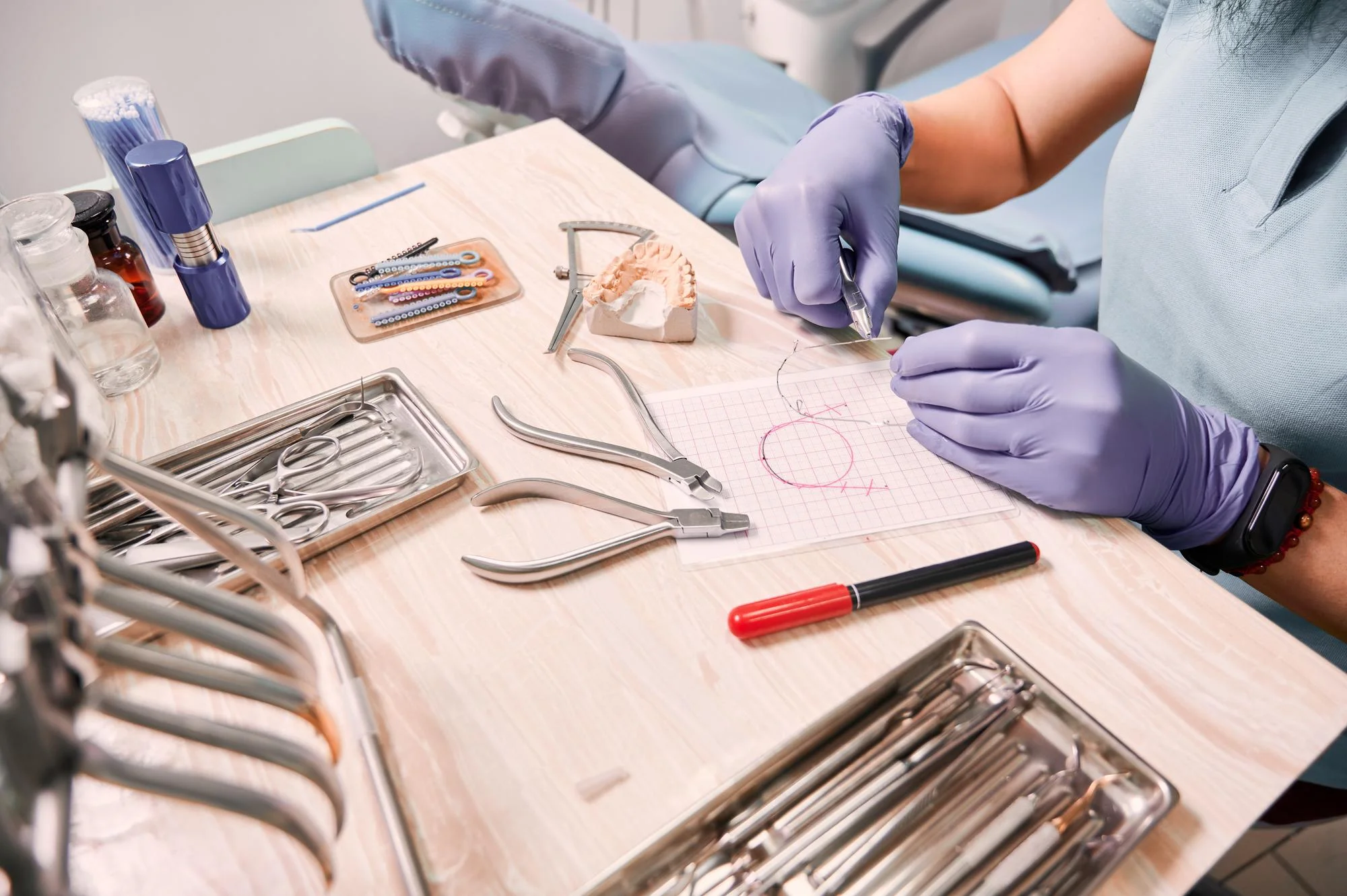
Receive guidance on caring for restored teeth and recognizing symptoms that require further dental assessment.

Patients may ask about mercury, older fillings and what removal involves. These answers explain when replacement may be needed, but an examination is required for individual advice.
Not always. Dental amalgam contains mercury, but the Canadian Dental Association advises against removing sound fillings for that reason alone. Removal may sacrifice healthy tooth structure and briefly raise mercury exposure. Damage, decay or a medical indication may justify replacement.
Your dentist first checks whether removal is needed. If so, precautions help limit exposure. The tooth may need composite resin, an onlay or a crown. Temporary sensitivity can occur. Your dentist reviews the material, aftercare and follow-up.