
Dental cleanings remove plaque and hardened tartar that brushing and flossing cannot fully address. At our Terwillegar practice, we check your gum health, clean areas with buildup and discuss how to care for your teeth between visits. Each appointment considers your oral health needs and concerns.
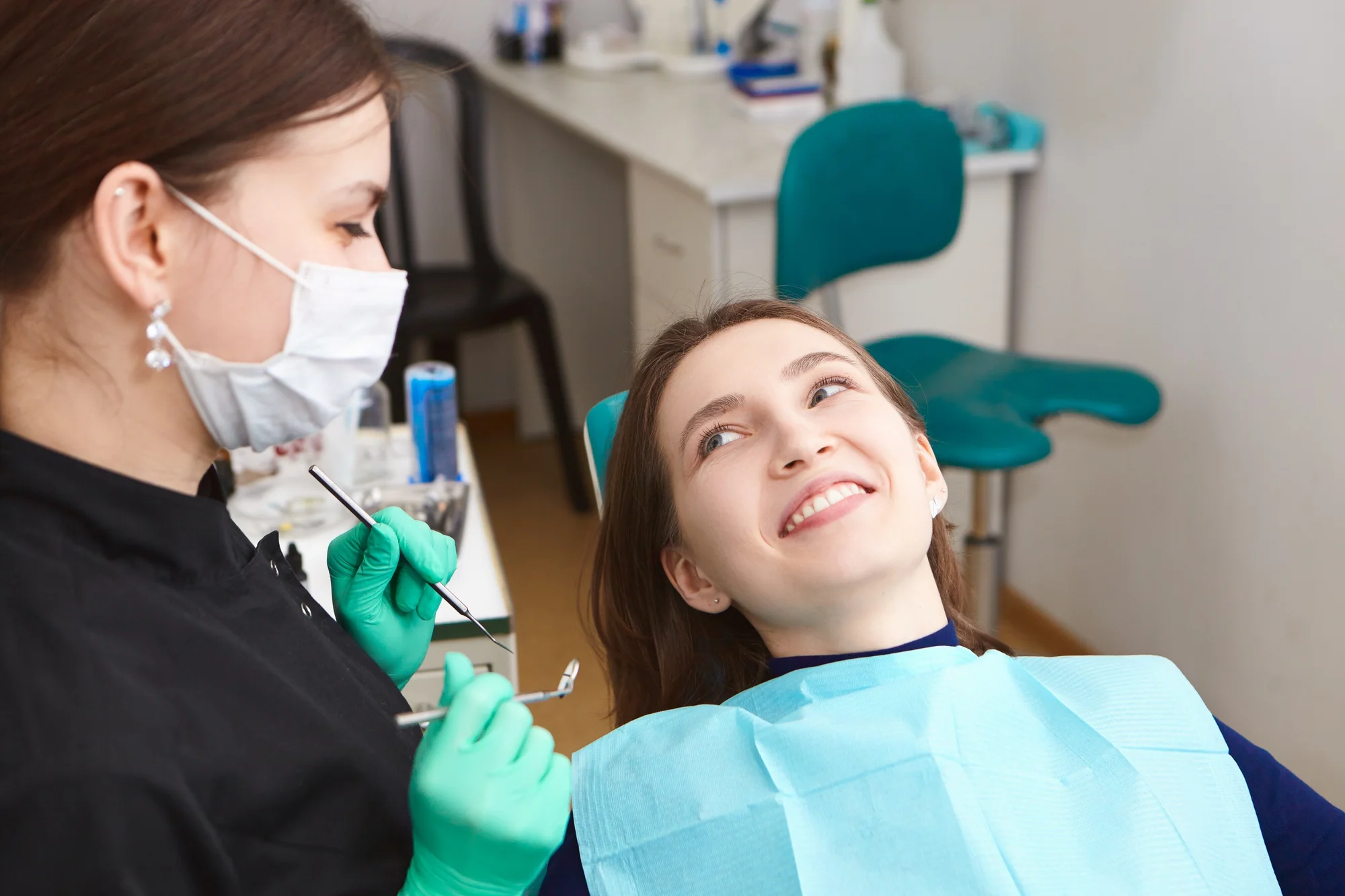

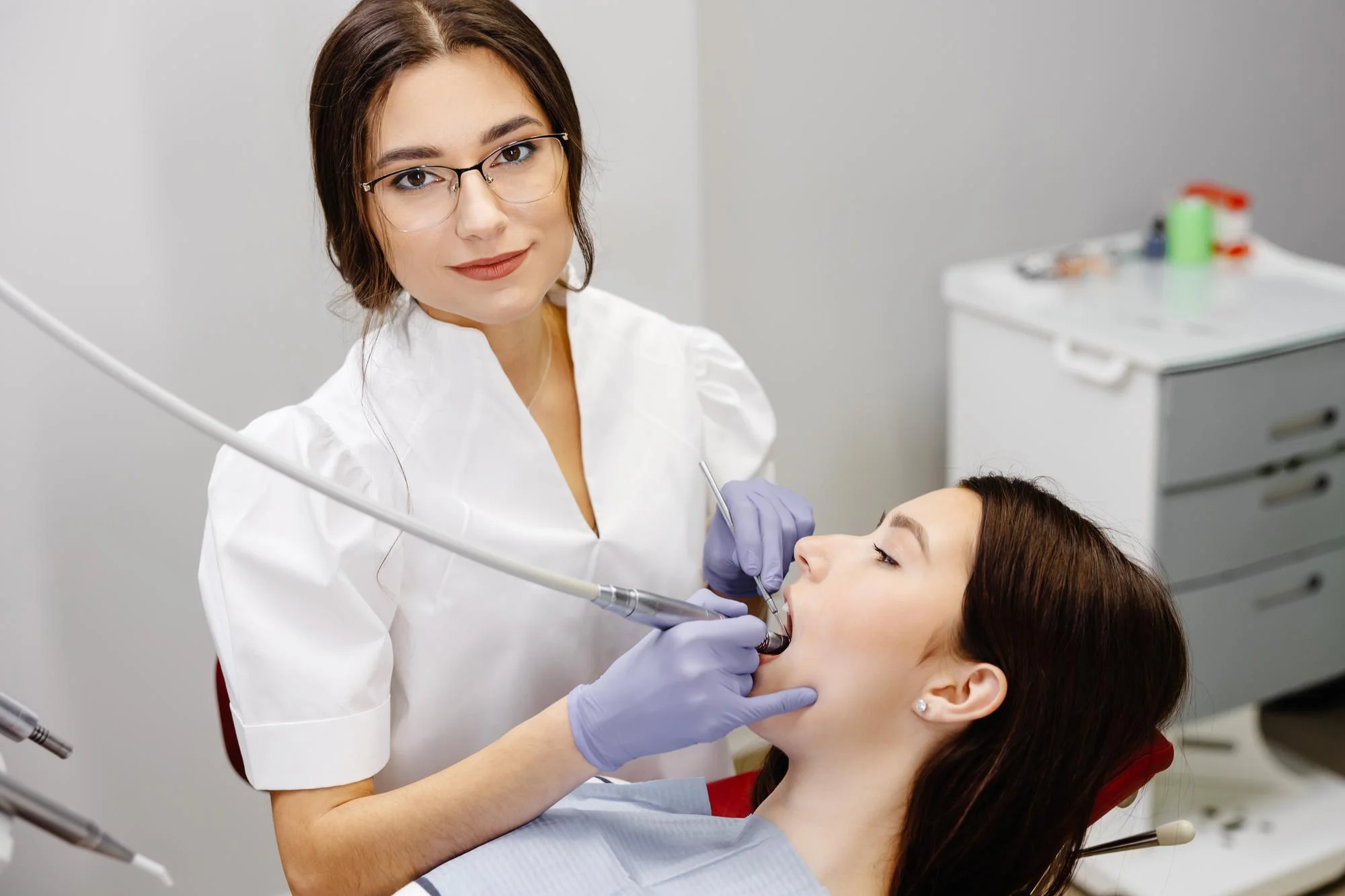
Professional cleaning clears plaque and tartar around the gumline. Your dental team can also check how you clean at home, point out areas to watch and suggest ways to care for your teeth.
Check gum health, plaque buildup and areas needing extra cleaning.
Remove plaque and hardened tartar with professional dental tools.
Discuss brushing and interdental cleaning methods for daily care.
Plaque forms on teeth and can gradually harden into tartar when left in place over time. Once tartar forms, brushing and flossing cannot remove it. Professional cleanings help clear this buildup and let your dental team check areas where plaque may contribute to gum inflammation.
Professional scaling removes tartar from tooth surfaces and around the gumline where brushing cannot reach.
Removing plaque and tartar helps reduce factors that contribute to gingivitis and gum inflammation.
Clean around crowded teeth, existing restorations and other areas where plaque may accumulate.
Get guidance on cleaning techniques and tools for your teeth, gums and existing dental work.
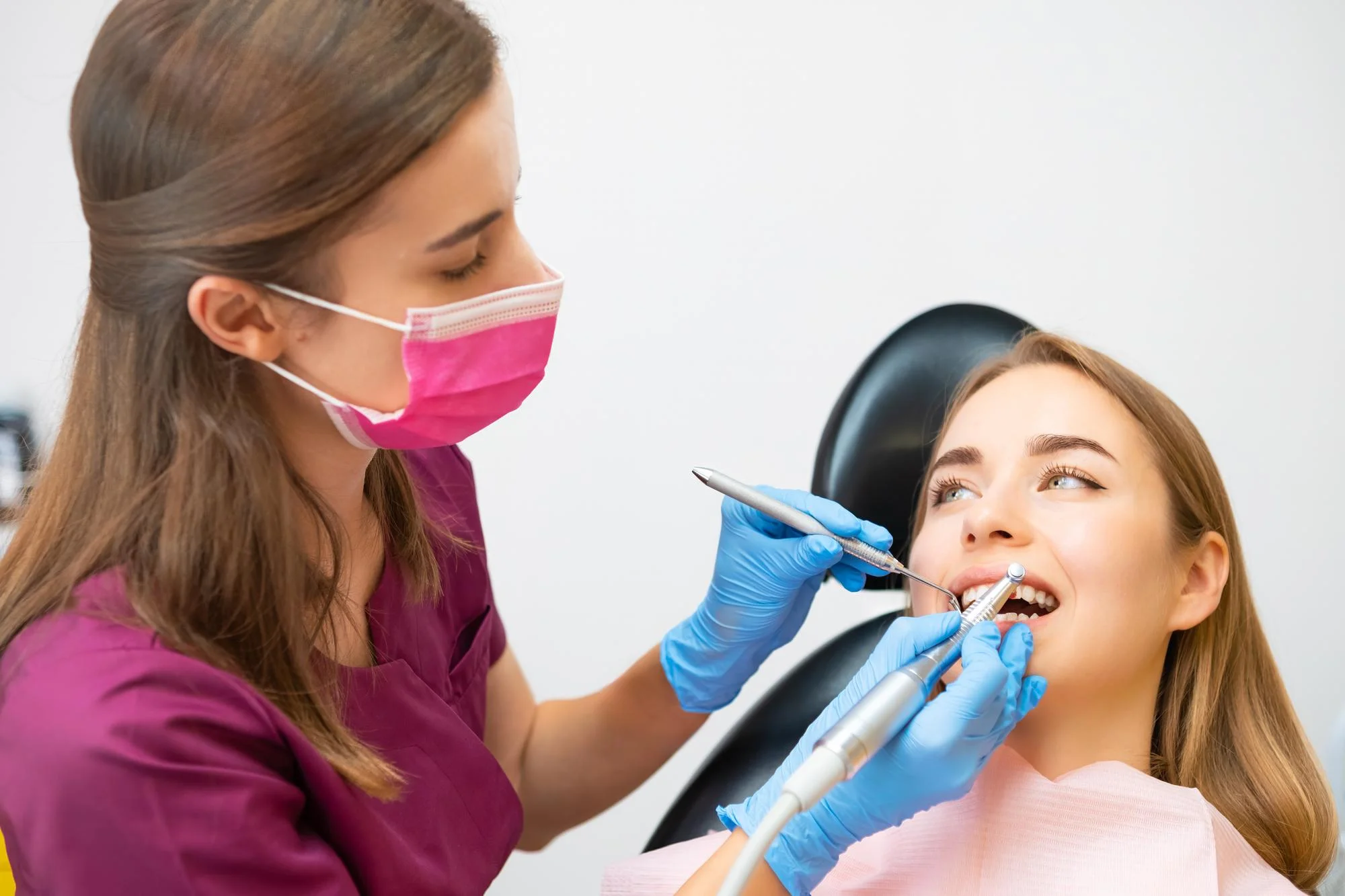
A cleaning may include scaling, polishing and home-care advice. What is needed depends on gum health and buildup.
Your dental visit begins with a review of your oral health and any concerns you have. The cleaning process depends on plaque and tartar buildup, the condition of your gums and whether additional care is needed.
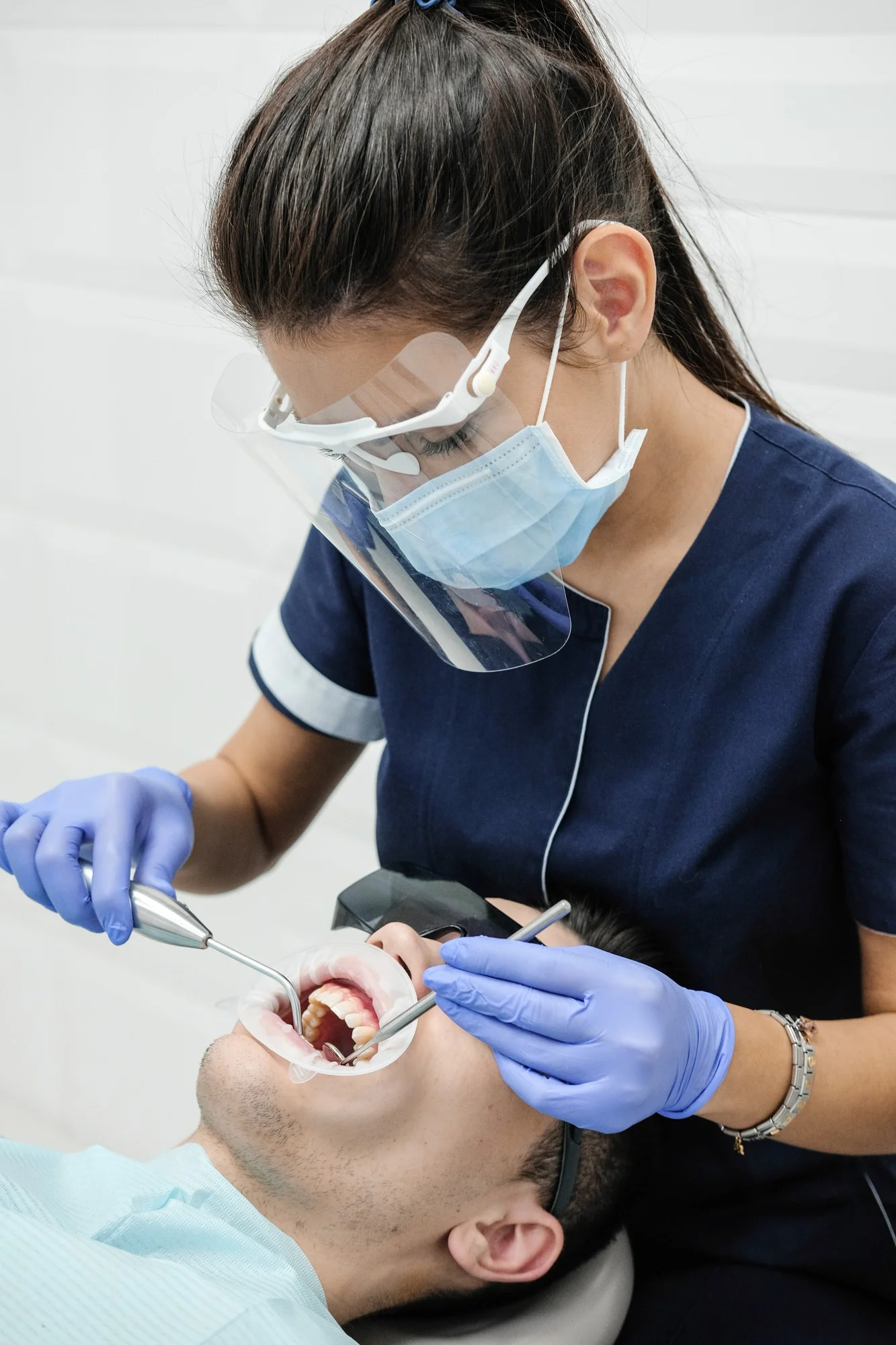
Discuss gum sensitivity, bleeding, past cleanings and any relevant changes in your medical history.
Check areas of plaque and tartar buildup and assess gum health to determine the most appropriate approach for your dental cleaning.
Use professional dental scaling instruments to carefully remove plaque and hardened tartar deposits from tooth surfaces and along the gumline.
Review proper brushing and interdental cleaning techniques, and discuss when to schedule your next dental visit based on your oral health needs.


Not everyone needs professional dental cleanings at the same frequency. Your dental team considers plaque buildup, gum health, previous periodontal treatment and daily cleaning habits when recommending your next appointment.
Tender, swollen or bleeding gums may call for a different cleaning schedule based on your dental assessment.
The amount of buildup on your teeth helps determine when a professional cleaning may be useful.
Crowns, bridges and braces need extra care during dental cleanings.
Dry mouth, tobacco use, medicines and home-care habits can affect how quickly plaque builds up.
We take time to understand your concerns, assess your teeth and gums and explain the cleaning process. Our approach focuses on appropriate care, clear communication and practical guidance you can use between dental visits.
Learn where plaque and tartar have accumulated and what your gum condition may indicate.
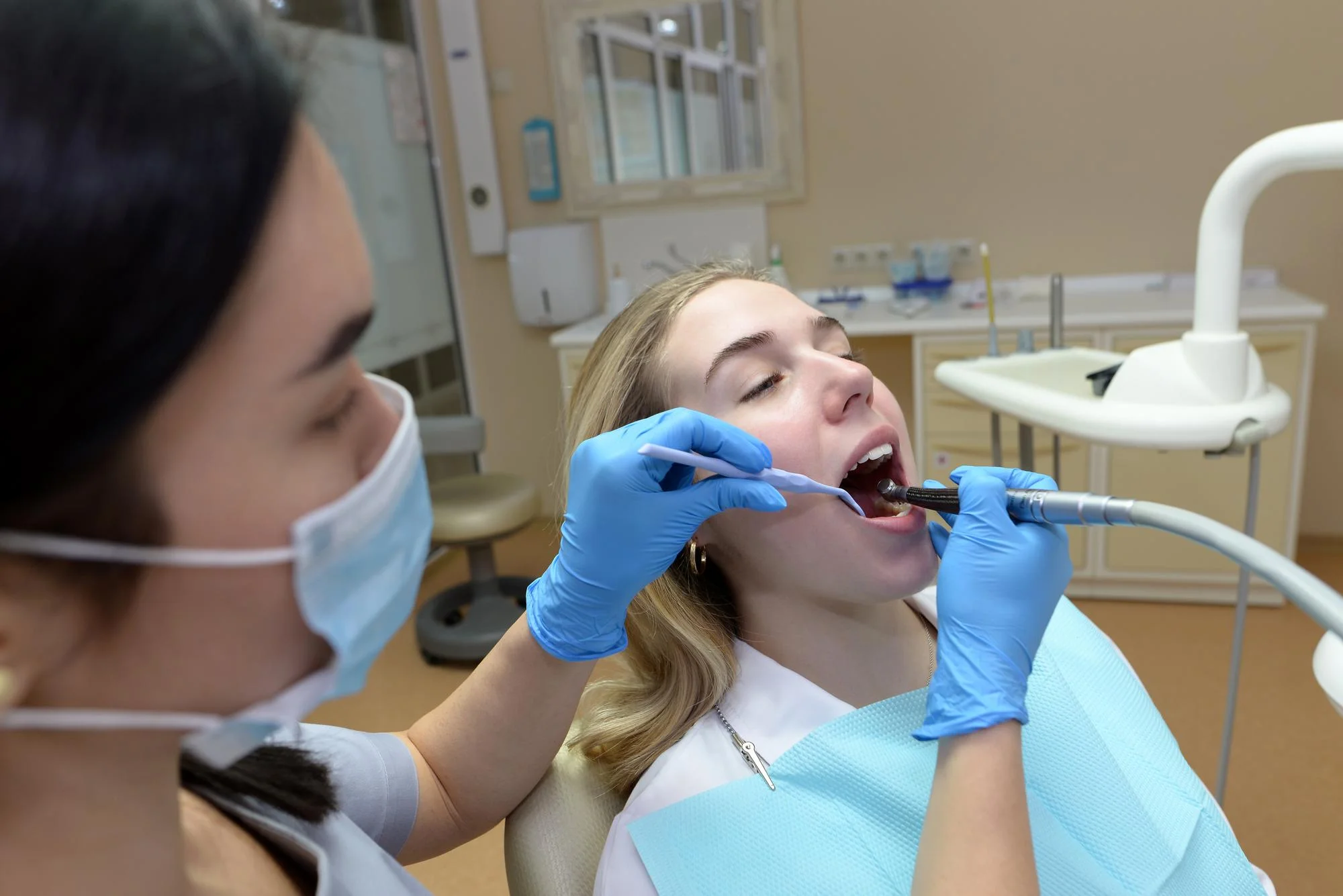
Tell us about sensitive areas so your dental team can discuss suitable cleaning techniques.

Cleaning recommendations reflect your oral health findings rather than a fixed approach for everyone.
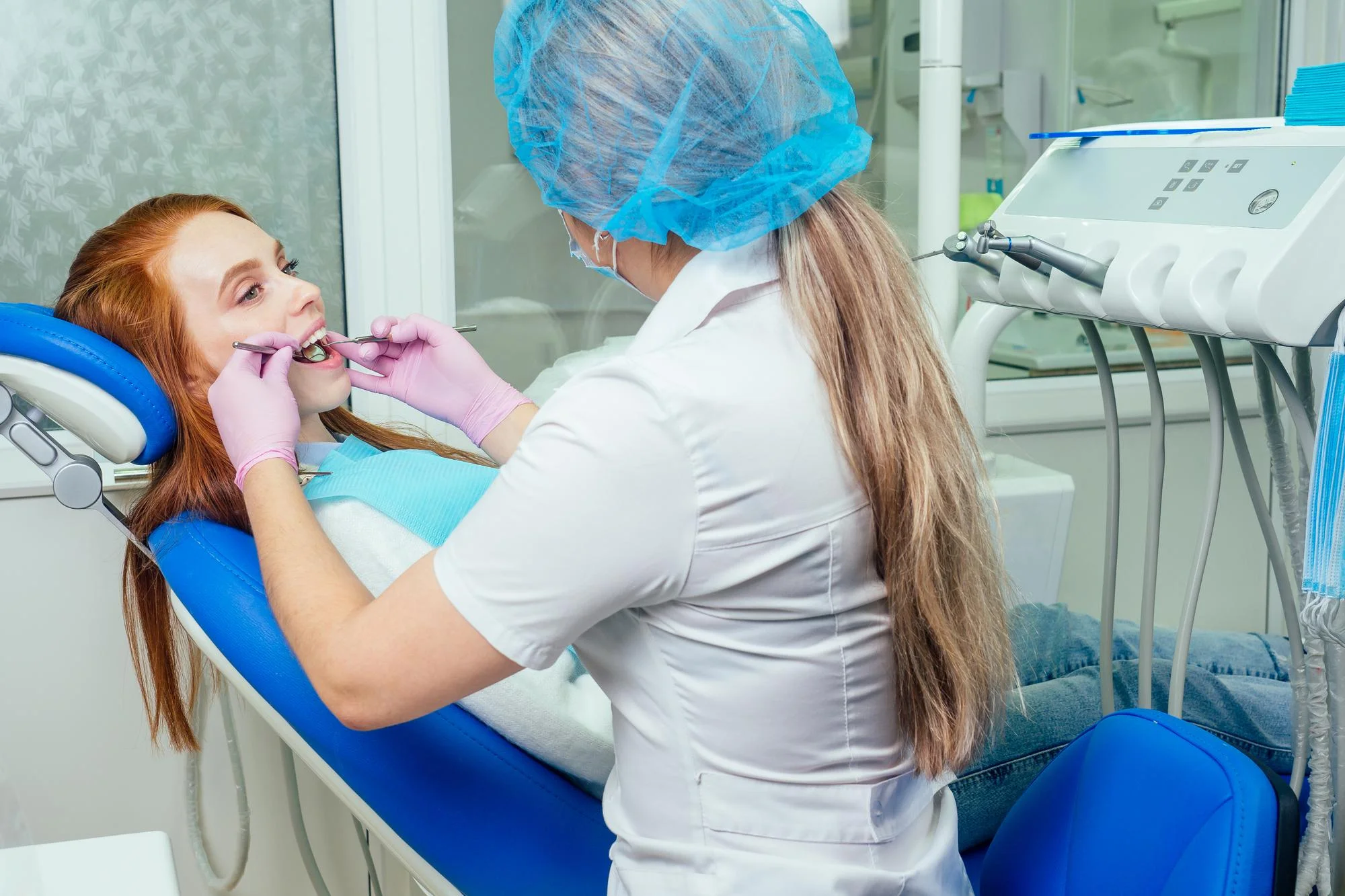
Receive guidance on brushing, interdental cleaning and daily oral care to help manage areas where plaque and tartar buildup frequently return.

Professional cleanings can raise questions about sensitivity, bleeding and plaque buildup. These answers explain common concerns, although an examination is needed to assess your individual oral health.
Yes, but tell your dental team about any sensitivity or bleeding before your cleaning. Inflamed gums may bleed during brushing, flossing or professional cleaning. Your dentist or dental hygienist can assess your gum health and determine whether additional periodontal care is needed.
Plaque can remain between teeth and near the gumline, hardening into tartar that brushing cannot remove. Professional cleaning removes these deposits, while daily brushing and interdental cleaning help prevent further buildup.