Clear Aligner Treatment Basics For Healthier Bites.
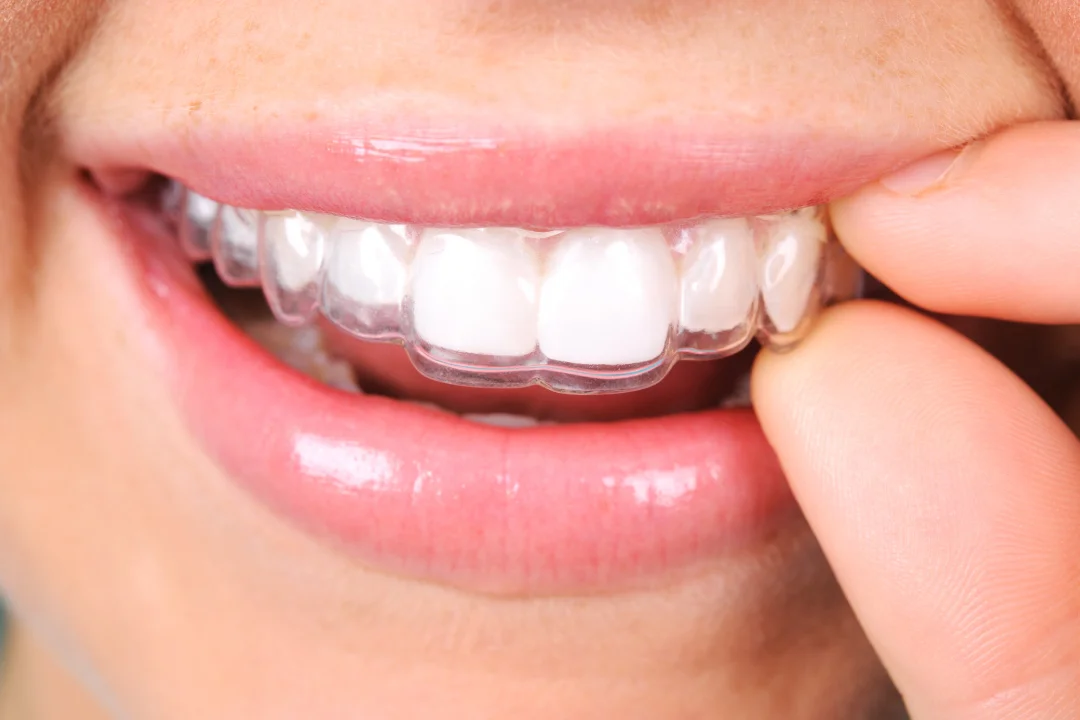
Clear aligners gradually move teeth using a series of removable trays. At our Southwest Edmonton clinic, we carefully examine your teeth, gums and bite to determine whether this treatment is suitable for your needs. We also explain each stage of the process, including treatment planning, daily wear, follow-up visits and retainers.
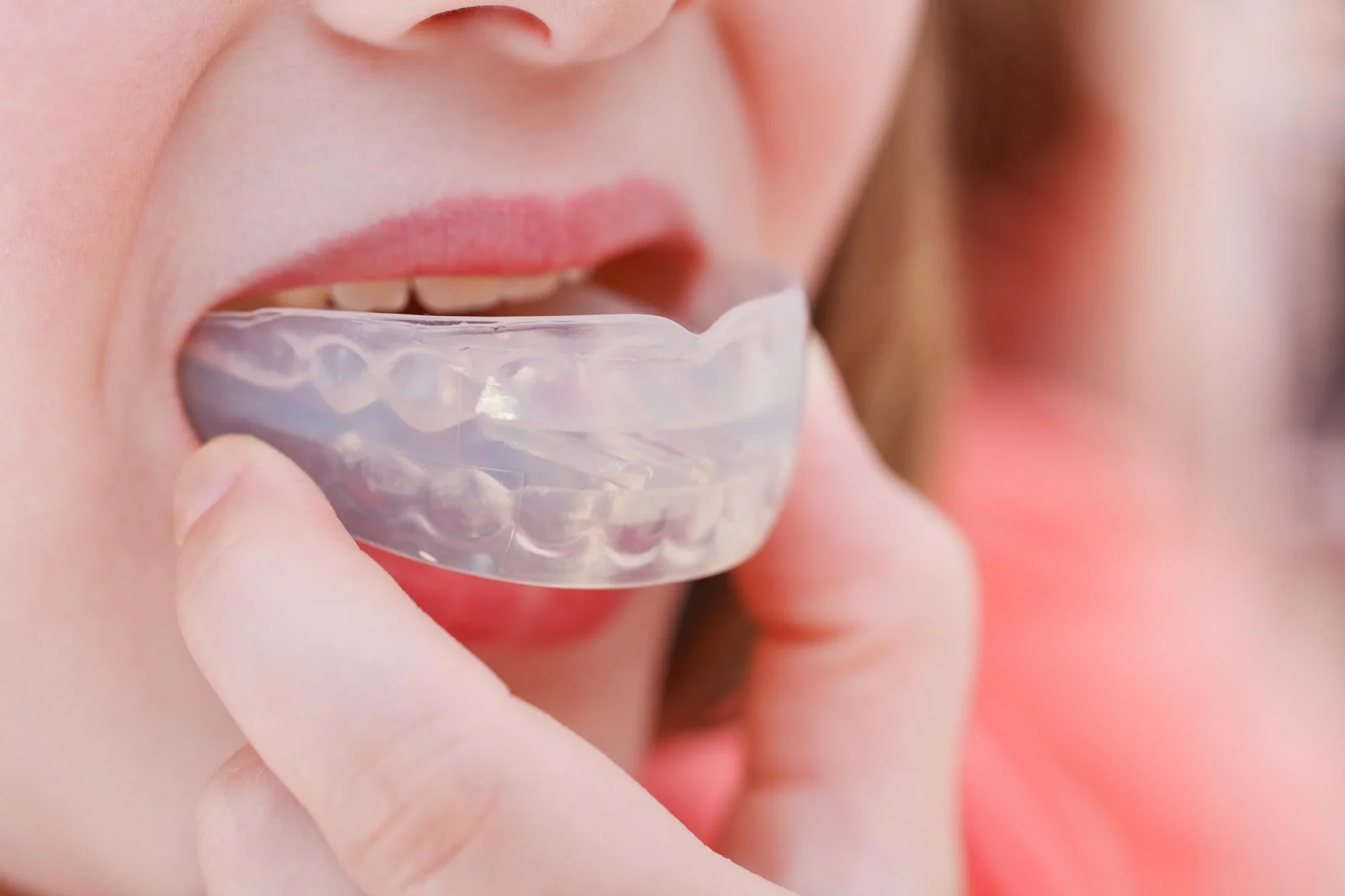
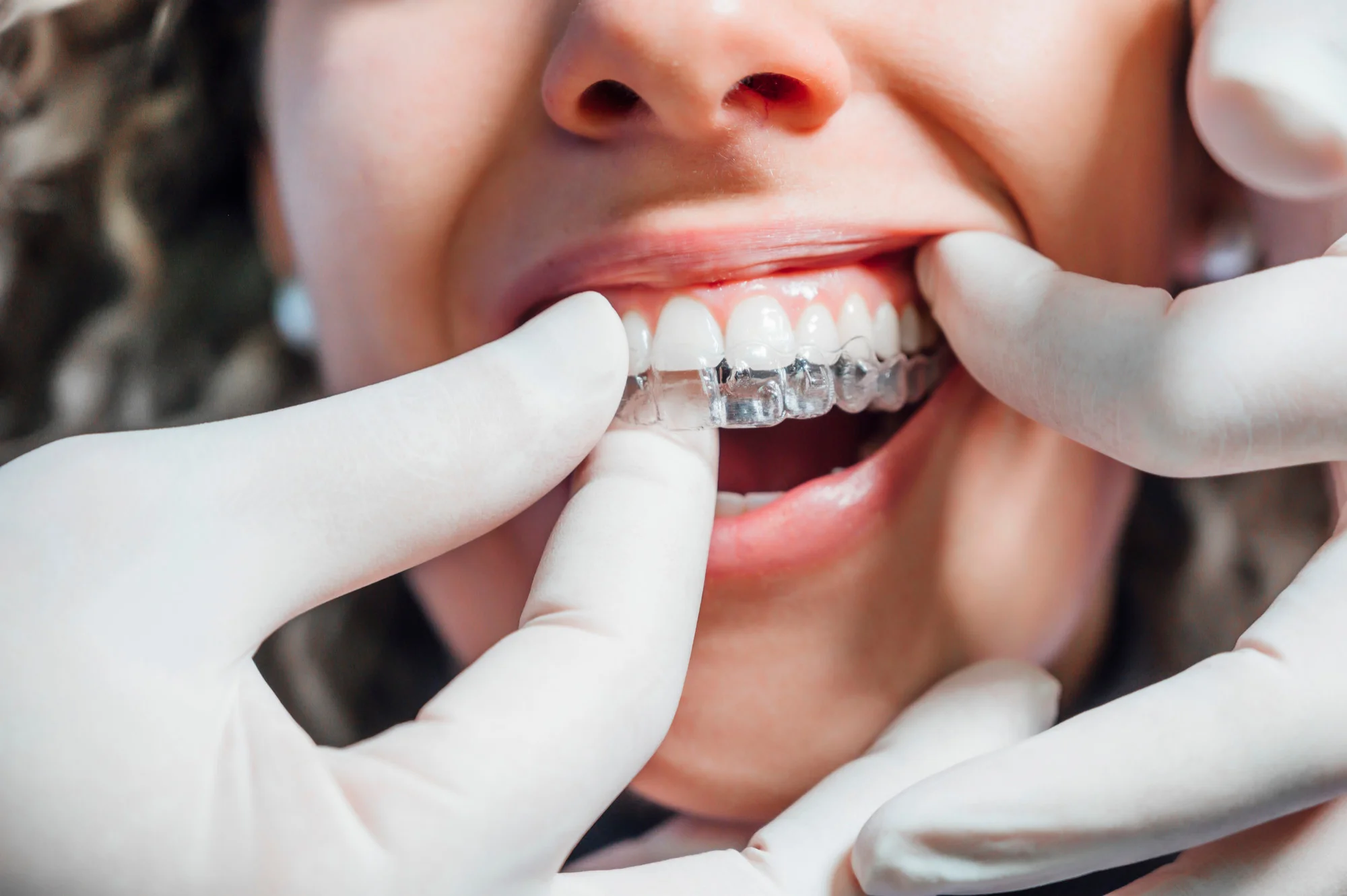
A series of aligner trays gradually moves teeth through planned stages.
Each aligner applies forces to selected teeth. You move through the sequence as directed, with reviews to check fit and progress. Trays come out for meals and cleaning, but treatment still requires consistent wear and ongoing dental care.
Remove trays for meals and tooth cleaning, as your dentist directs.
Movement in Stages.
Each set of aligners helps gently move your teeth through the planned stage.
Reviews During Care.
Each set of aligners helps move your teeth through the planned stage.
Removable for Daily Care
Remove trays for meals and tooth cleaning, as your dentist directs.
Movement in Stages.
Each set of aligners helps gently move your teeth through the planned stage.
Reviews During Care.
Each set of aligners helps move your teeth through the planned stage.
Before Tooth Movement Begins
Your teeth and gums affect aligner suitability and bite health.
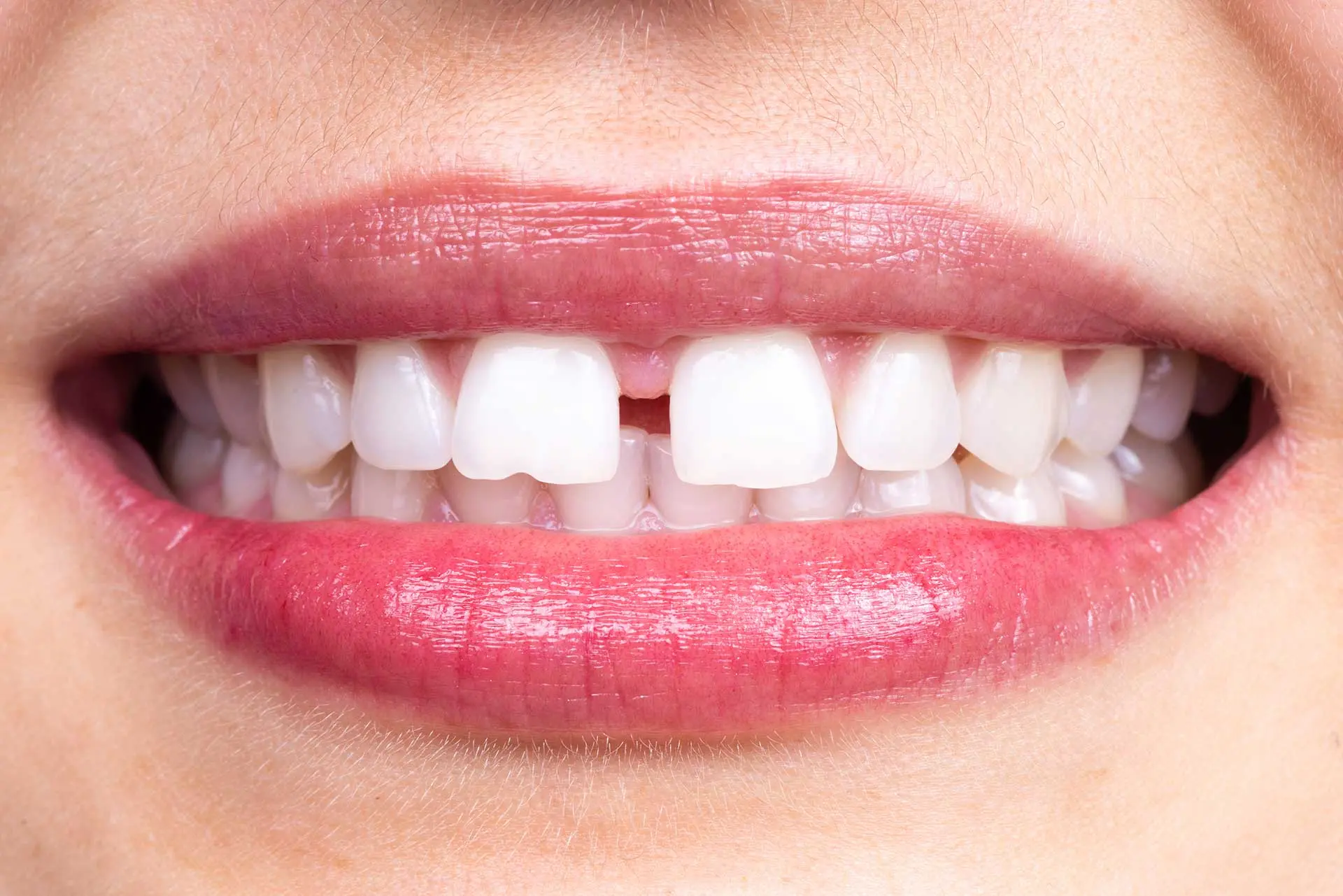
Aligner suitability depends on the movements needed, oral health and your ability to follow the wear schedule.
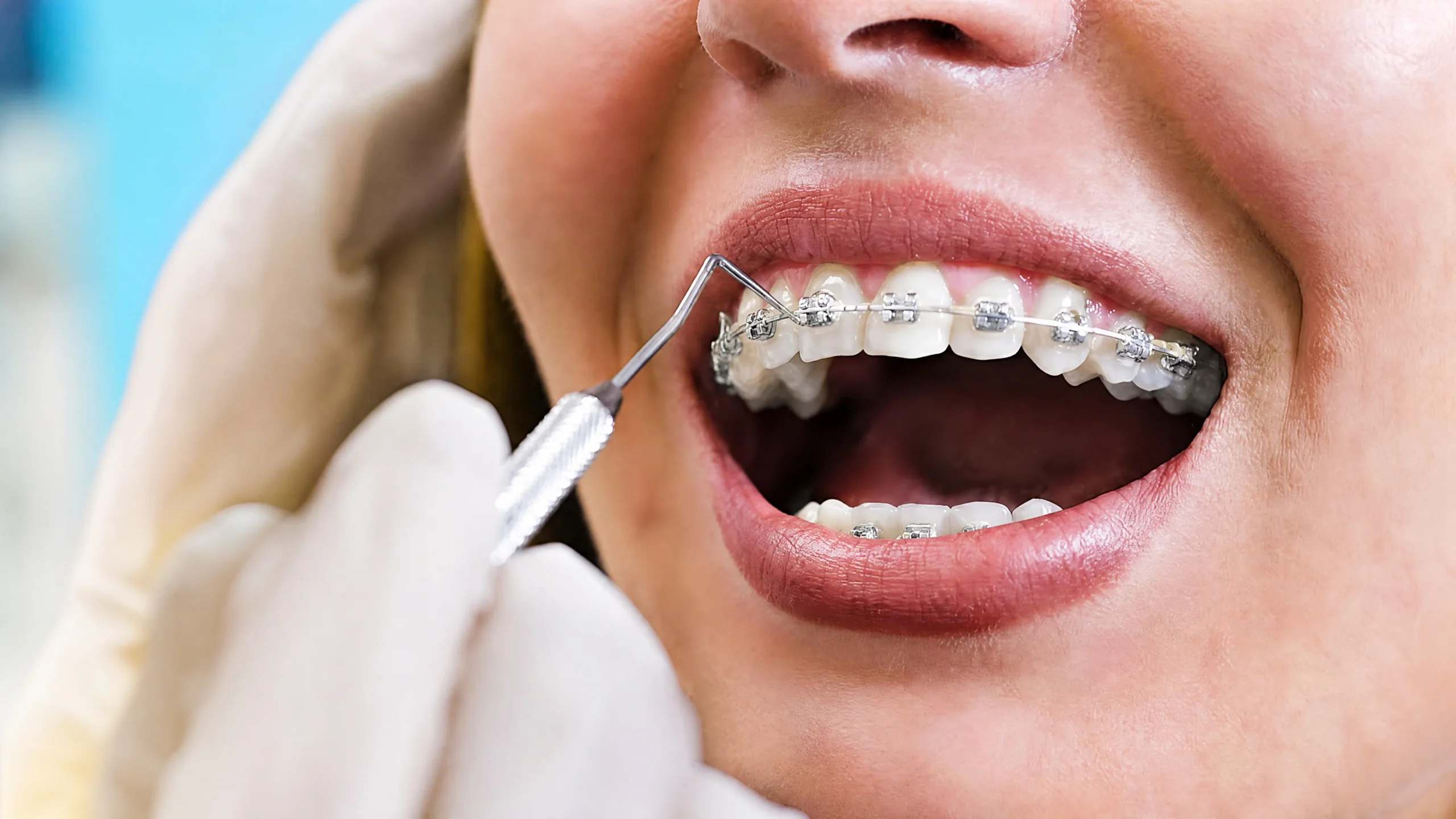
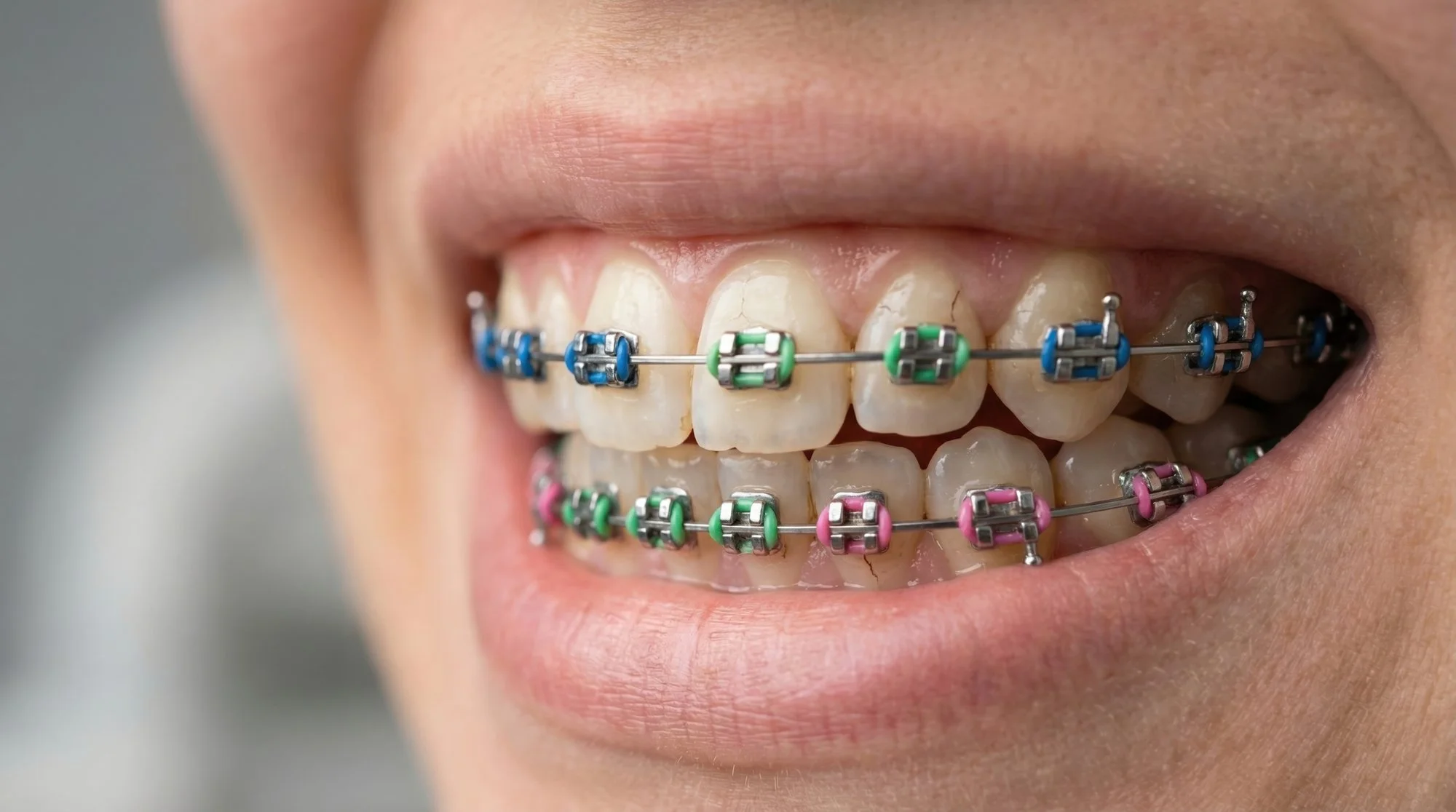
Decay or gum disease may need care before tooth movement. Some bite problems or difficult movements call for braces, other appliances or assessment by an orthodontic specialist.
Dental Health
Check for decay, gum disease and damaged restorations before deciding whether tooth movement is appropriate.
Movement Required
Review the type and extent of movement, including whether trays alone can achieve the goals.
Daily Wear
Consider whether you can follow the prescribed hours, remove trays as directed and attend review visits.
Other Options
Discuss braces, further assessment or specialist referral when these better suit the findings.
Your First Assessment
What we review before planning treatment.
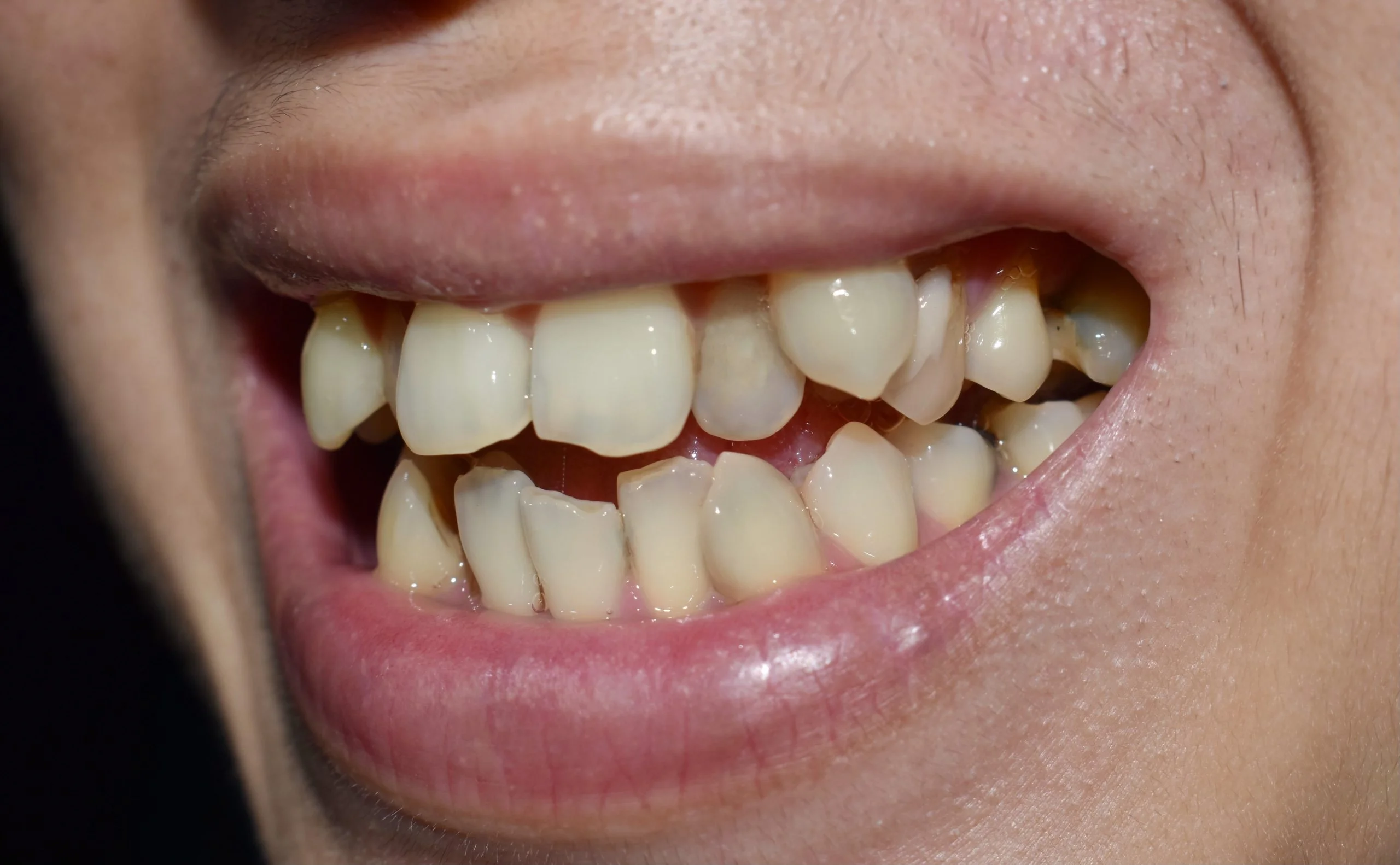
Tell us which changes matter to you and share your dental history. An examination reviews teeth, gums and bite contacts. Scans, photographs or X-rays may be needed to assess roots and tooth positions before discussing treatment choices and their limits.
Teeth and Gum Health
Assess cavities, gum health and existing dental work that could affect the timing or suitability of treatment.
Bite and Aims
Review how your teeth meet, the changes you want and whether an orthodontic referral would help with planning.
Teeth and Gum Health
Assess cavities, gum health and existing dental work that could affect the timing or suitability of treatment.
Bite and Aims
Review how your teeth meet, the changes you want and whether an orthodontic referral would help with planning.
The digital plan outlines each stage of your tooth movements.
Digital records help map proposed movements. Your dentist reviews the sequence, oral health and treatment limits. A simulation shows a plan; it cannot promise the final result.
01 · Gather the records
Record tooth positions and bite contacts.
Scans, photographs and any needed X-rays help establish the starting point for treatment.
02 · Agree on goals
Discuss which changes are appropriate.
Your concerns and examination findings help guide the tooth movements proposed in your treatment plan.
03 · Map the stages
Sequence the proposed tooth movements.
The plan divides tooth movement between sets of trays, with timing reviewed by the dentist.
04 · Consider limits
Identify movements that may need a different approach.
Certain tooth rotations, root movements or bite issues may need attachments, other treatment methods or a specialist referral.
05 · Review the plan
Understand daily wear, reviews and retention before starting.
Discuss daily demands, fees and alternatives before agreeing to care.
01 · Gather the records
Record tooth positions and bite contacts.
Scans, photographs and any needed X-rays help establish the starting point for treatment.
02 · Agree on goals
Discuss which changes are appropriate.
Your concerns and examination findings help guide the tooth movements proposed in your treatment plan.
03 · Map the stages
Sequence the proposed tooth movements.
The plan divides tooth movement between sets of trays, with timing reviewed by the dentist.
04 · Consider limits
Identify movements that may need a different approach.
Certain tooth rotations, root movements or bite issues may need attachments, other treatment methods or a specialist referral.
05 · Review the plan
Identify movements that may need a different approach.
Discuss daily demands, fees and alternatives before agreeing to care.
Begin Your Aligner Wear Plan
Follow the aligner plan as your teeth change position.
The dentist sets your daily wear hours and when to switch trays. Ask for advice if an aligner breaks or stops fitting properly.
Review gaps between the trays and teeth, areas of pressure and any attachments that may already be broken.
02Compare positions
Assess whether tooth positions are following the planned stage of treatment.
03Review oral health
Check for gum irritation, plaque buildup and any difficulties cleaning your teeth as tooth movement continues.
04Review next steps
Discuss further records, changes to the plan or additional trays if progress needs review.
Check tray seating
Review gaps between the trays and teeth, areas of pressure and any attachments that may already be broken.
Compare positions
Assess whether tooth positions are following the planned stage of treatment.
Review oral health
Check for gum irritation, plaque buildup and any difficulties cleaning your teeth as tooth movement continues.
Review next steps
Discuss further records, changes to the plan or additional trays if progress needs review.
After Tooth Movement
Retainers Help Hold Tooth Positions After the Last Aligner.
Teeth can shift after treatment and throughout life. Retainers help maintain their positions. Discuss the type of retainer, wear schedule and future checks before active care ends.
Plan for retention
Ask which type of retainer best suits your dental needs and when it should be fitted after treatment.
Follow the wear schedule
Use your retainer as instructed by your dentist, even when your teeth appear to have fully settled after treatment.
Changes in fit
Call if a retainer becomes tight, loose, damaged or difficult to seat.
Keep retainers under review
Clean retainers as advised and ask about checks, repairs or replacement when wear or fit changes.
Your dentist for this care
Meet Dr. Prabhjot Kaur
Dr. Prabhjot Kaur is a general dentist. She discusses your dental findings, explains treatment choices and advises when an orthodontic specialist’s assessment may be needed.
Conservative, minimally invasive and education-focused
Questions about aligners
Before and during care.
These answers cover questions about starting aligners and changes during treatment. They offer general information; your dentist can advise after reviewing your teeth and bite.
What should I ask before starting aligners?
Ask which movements are planned, whether braces are another option and what daily wear involves. Discuss risks, estimated timing, review visits and costs, including retainers. Find out who to contact if a tray breaks or stops fitting, and when specialist advice may help.
Teeth may respond differently from the digital plan. After reviewing fit, tooth positions and bite contacts, your dentist may suggest more trays to address remaining movements. Ask what the extra trays aim to change, the expected timing and whether fees apply.