
Grinding or clenching may lead to worn enamel, jaw soreness or cracked restorations. At our Terwillegar dental practice, we examine your teeth, jaw and bite before discussing a night guard or bite splint. We explain what an appliance may help with, its limits and whether other care is needed.

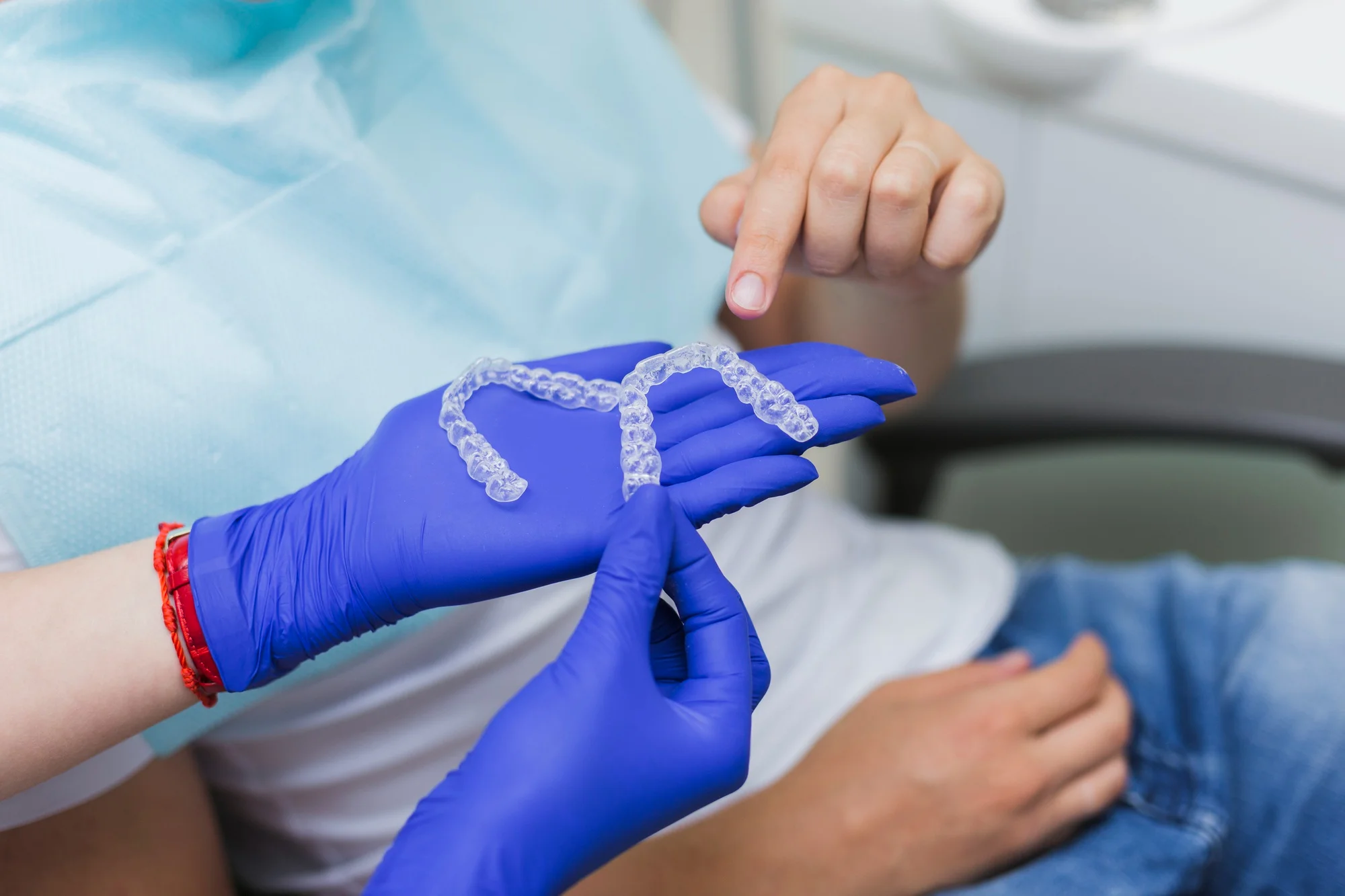
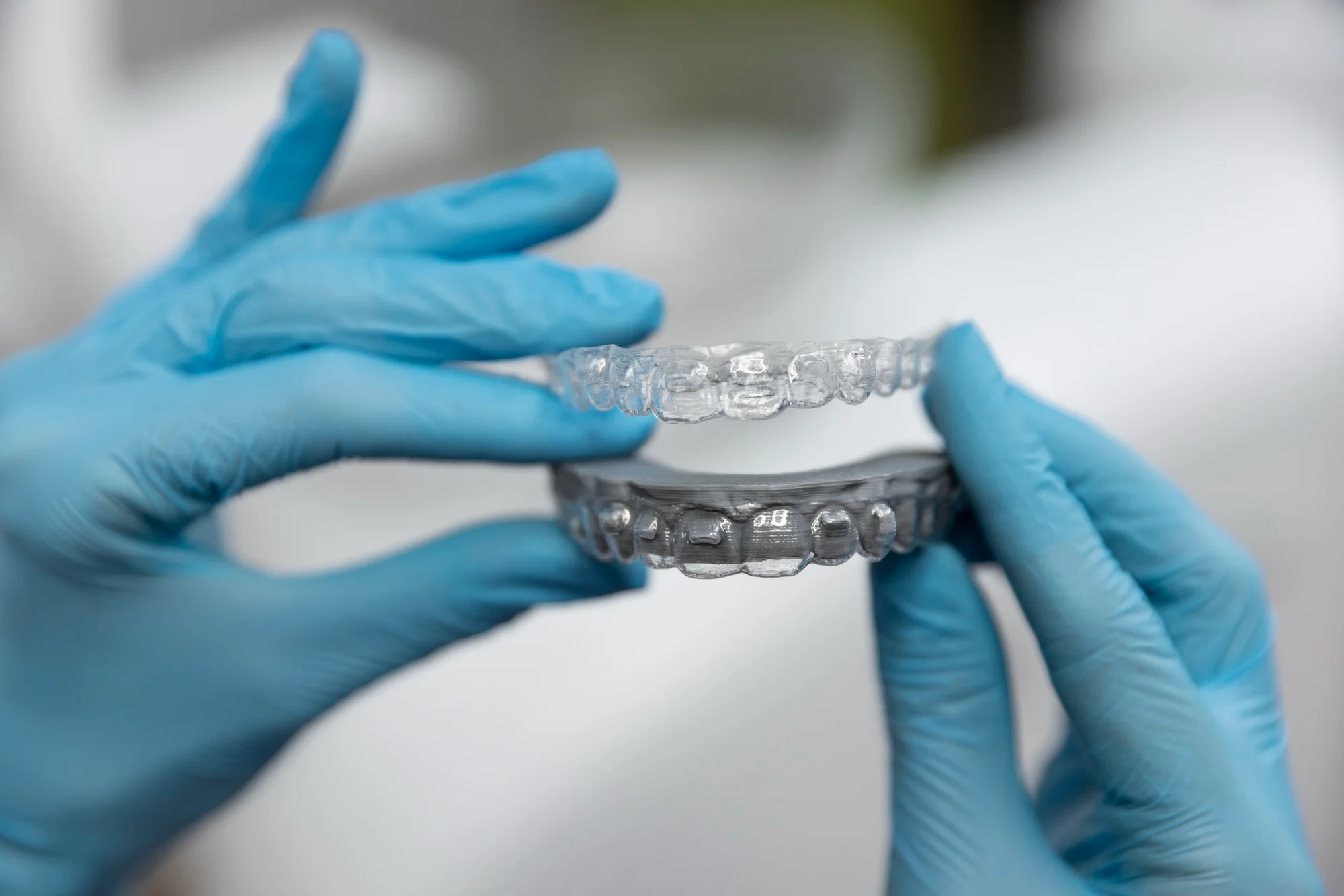
Night guards and bite splints are removable devices worn on teeth. They may limit wear from grinding or be considered for jaw symptoms. Your dentist checks your teeth, jaw and bite first.
Discuss tooth grinding, morning jaw soreness and other symptoms.
Consider a night guard to keep teeth apart during sleep.
Check how the appliance sits and whether adjustments may be needed.
Grinding or clenching may happen during sleep or while awake. Repeated pressure can wear tooth surfaces, damage fillings or contribute to jaw-muscle soreness. An exam helps identify signs of grinding and whether an appliance, habit changes or other care may help you.
A guard creates a barrier between the teeth and may help limit wear from nighttime grinding.
Jaw tightness or fatigue may occur with clenching. An assessment helps decide if a splint should be considered.
Existing crowns or fillings may need checks if grinding places repeated force on the teeth.
Care may include a guard, clenching awareness, monitoring or referral, based on findings.
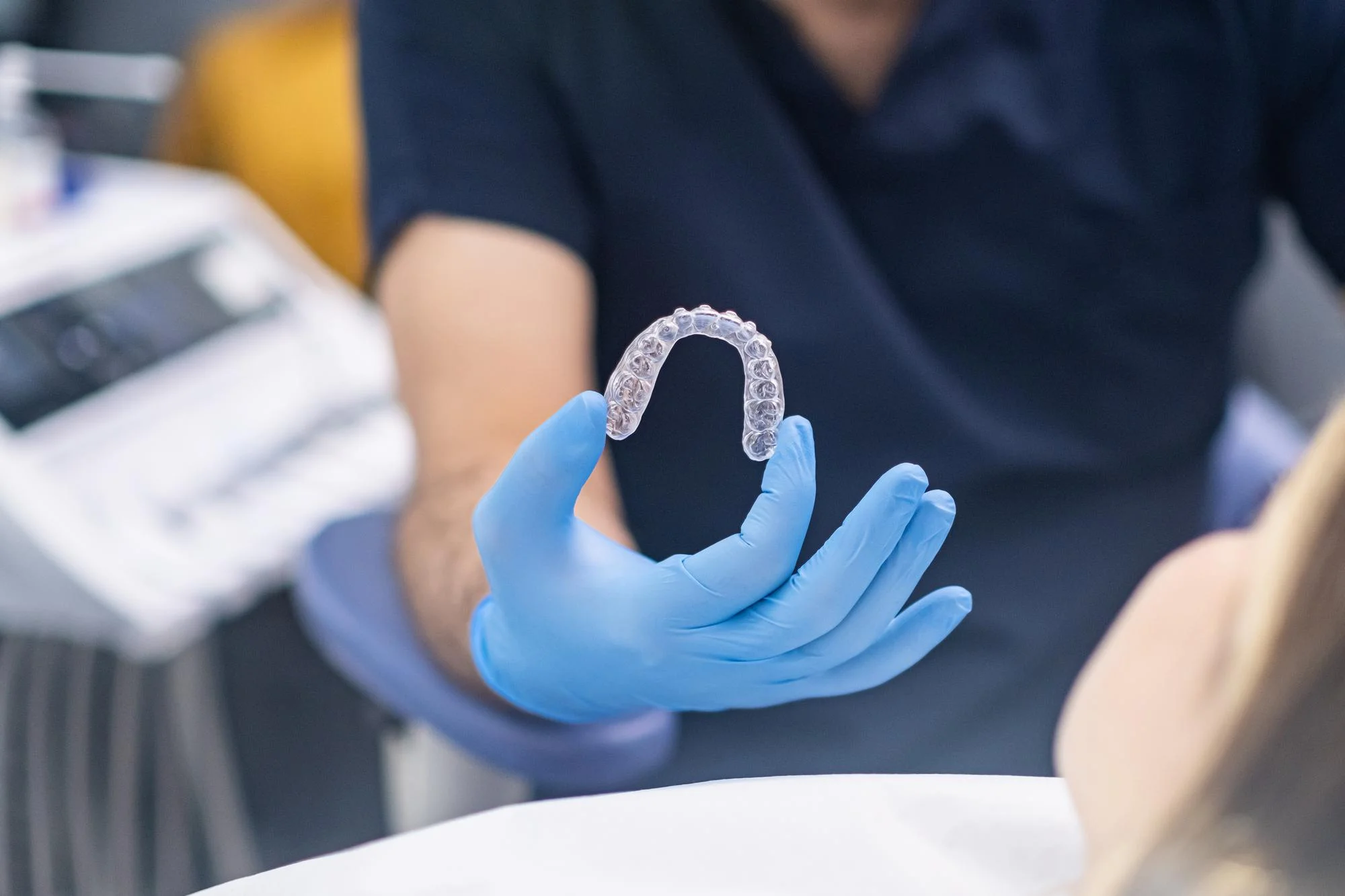
A dental assessment helps distinguish grinding-related tooth damage from jaw symptoms that may need different care.
We discuss clenching and grinding, examine teeth and jaw movement, and review suitable care. If an appliance may help, we explain its fitting, proper use, maintenance and follow-up care.

Review grinding, jaw tension, morning soreness, tooth wear and any related sleep concerns.
Check tooth surfaces, fillings, jaw muscles and movement for signs of grinding or other jaw changes.
Discuss whether a night guard, bite splint or another approach is appropriate based on the dental examination results.
If an appliance is provided, review its fit, wear schedule, cleaning and when to return for assessment.
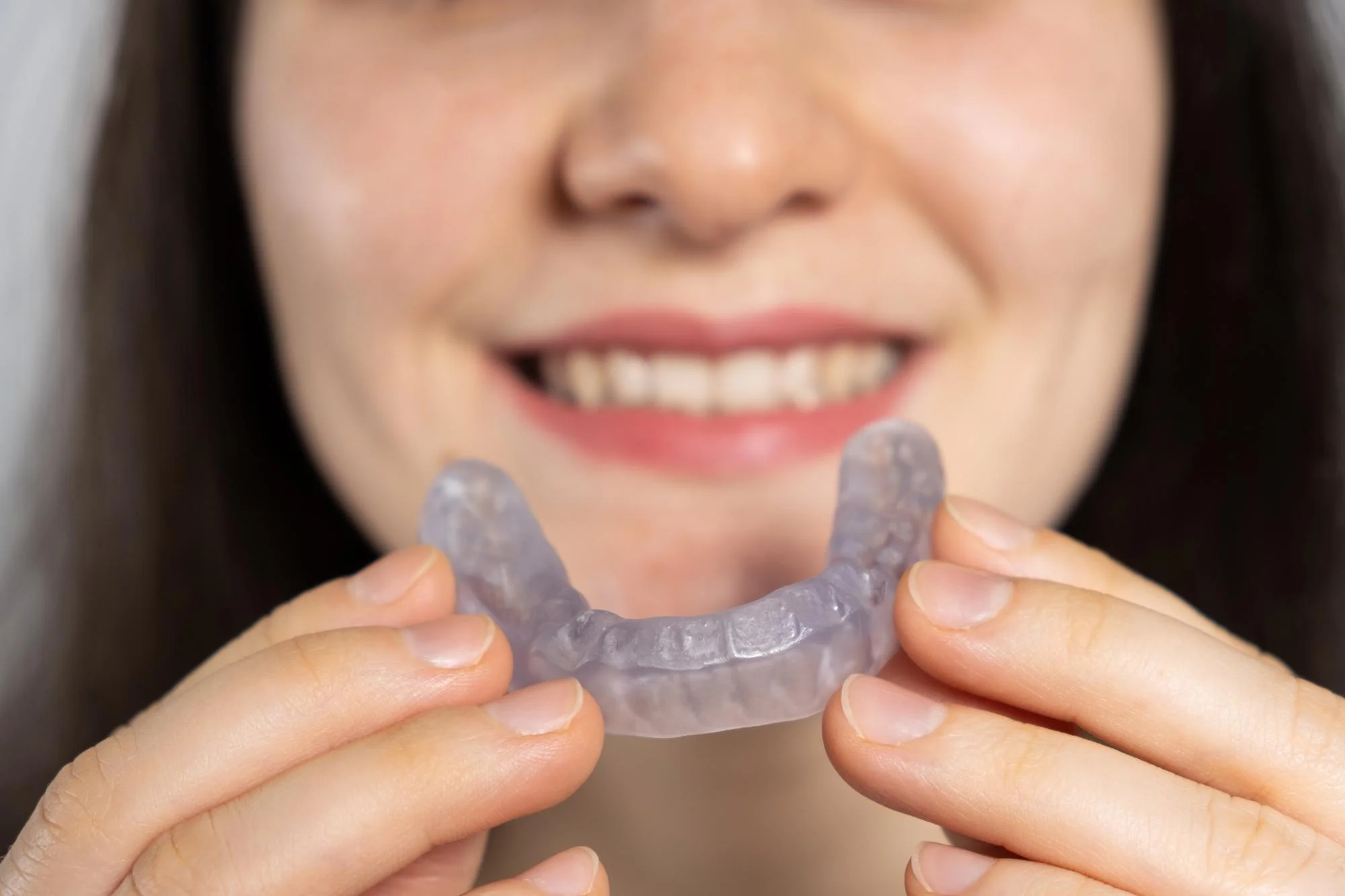
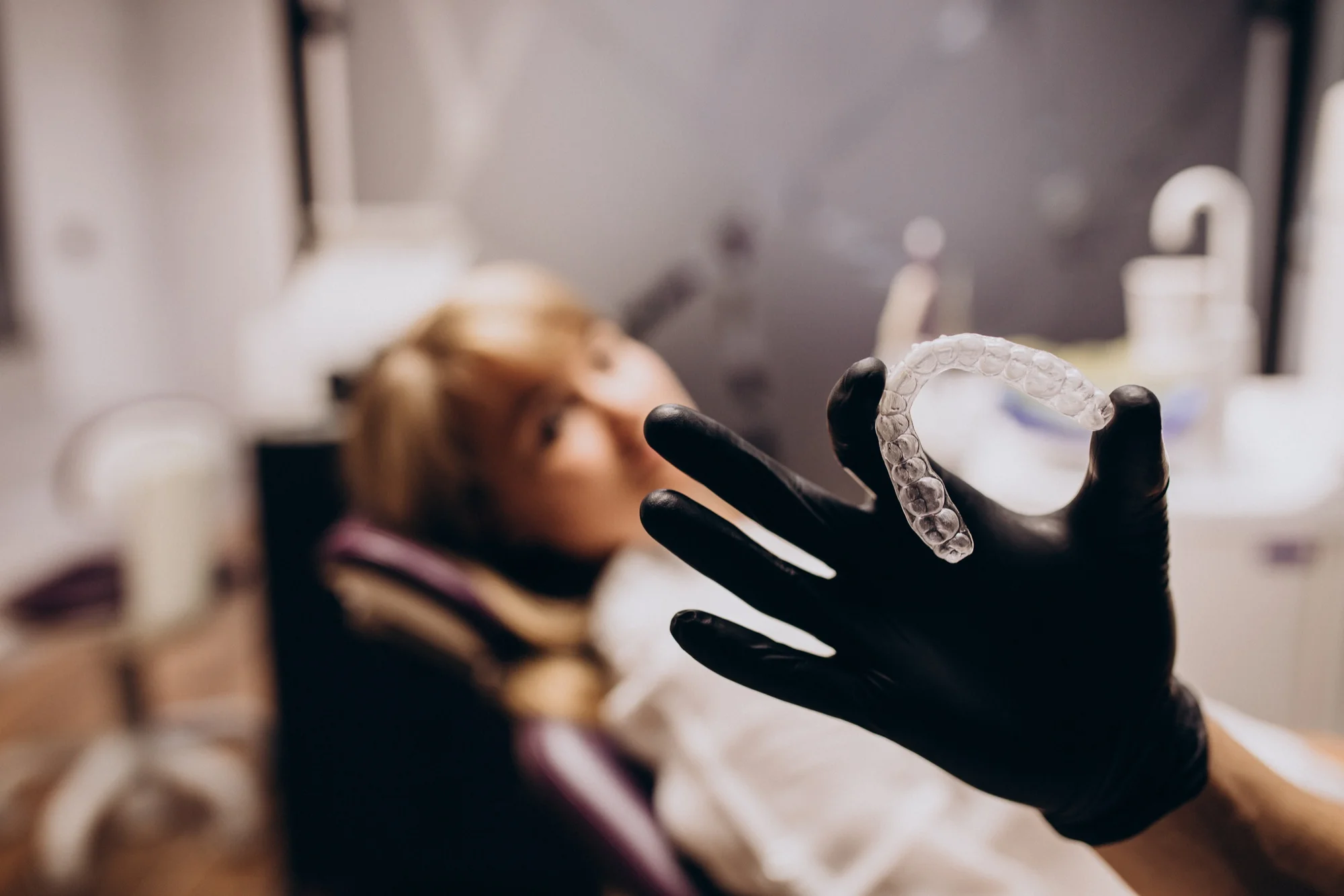
A guard may be considered when grinding damages teeth or restorations. Jaw pain, painful clicks or limited movement can require a broader assessment. Not everyone with jaw sounds or grinding needs a splint.
Flattened or chipped teeth can suggest grinding, but an examination is needed to assess the cause.
Morning jaw tightness or chewing pain may call for a review of muscles, joints and clenching.
Repeated pressure may affect crowns, fillings or other restorations.
Locking, limited opening or painful clicks need assessment before choosing a splint.
We examine teeth and jaw function before advising care. A guard may protect teeth from grinding. For jaw pain, we explain the limits of splint evidence and other conservative options.
Tell us about grinding sounds, jaw pain, morning stiffness or changes in your bite.
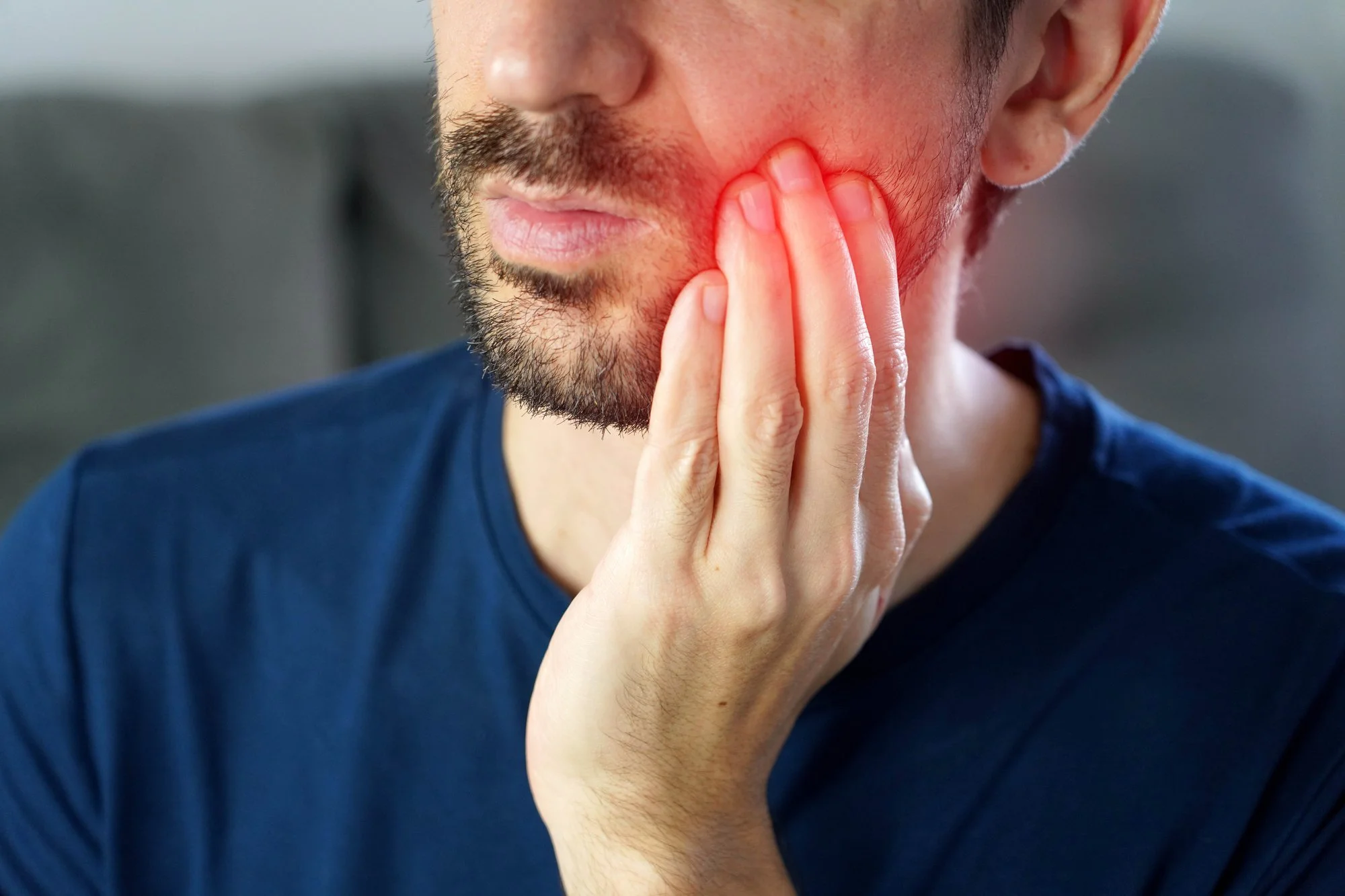
Learn what an appliance may help and where the evidence is limited.
Have the fit reviewed if the appliance rubs, hurts or changes how your teeth meet.

Discuss daily habits, self-care, ongoing monitoring or referrals when an appliance may not address the full concern.

Patients often ask whether guards stop grinding or ease jaw pain. These answers explain common questions, but an examination is needed to choose the right approach for your symptoms.
Not always. A night guard separates the teeth and may limit grinding damage, but may not stop the habit. Your dentist checks for wear, damage and jaw symptoms before recommending one. Other steps may include reviewing clenching patterns, sleep concerns or factors contributing to grinding.
A bite splint may help some people, but evidence for TMJ pain relief is limited. Painless clicks need no care. Your dentist checks jaw movement first. A splint should not permanently alter your bite. Stop using it and seek advice if pain increases.