Uneven tooth contact, chipped teeth or pain when chewing can raise questions about your bite. At our Terwillegar practice, we review how teeth meet, how the jaw moves and whether those patterns relate to your concerns. We explain our findings, discuss causes and review options before recommending care.
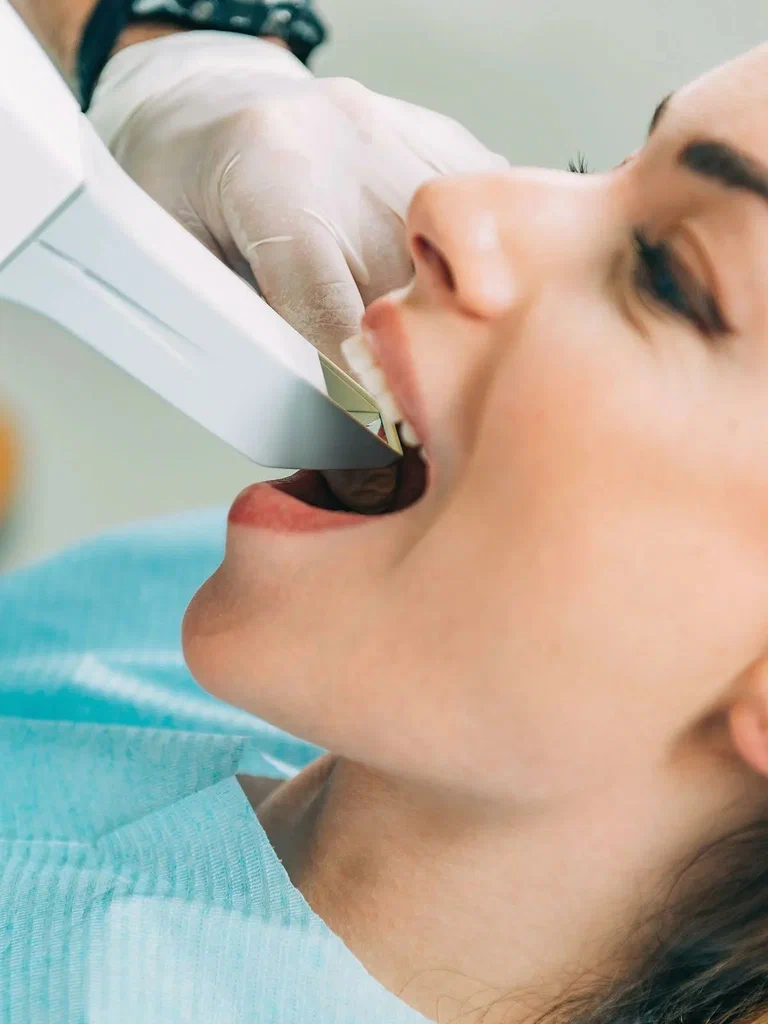
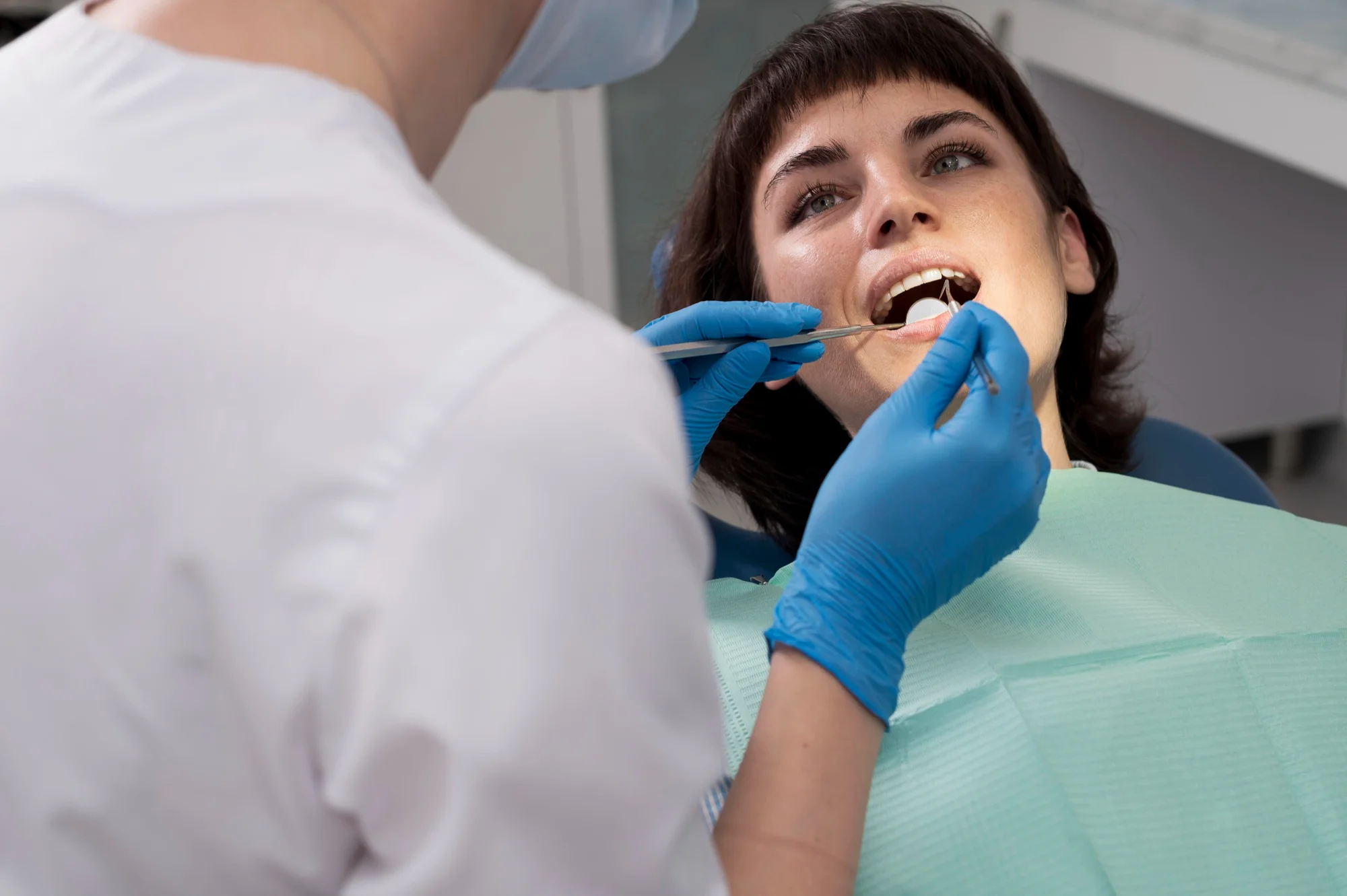
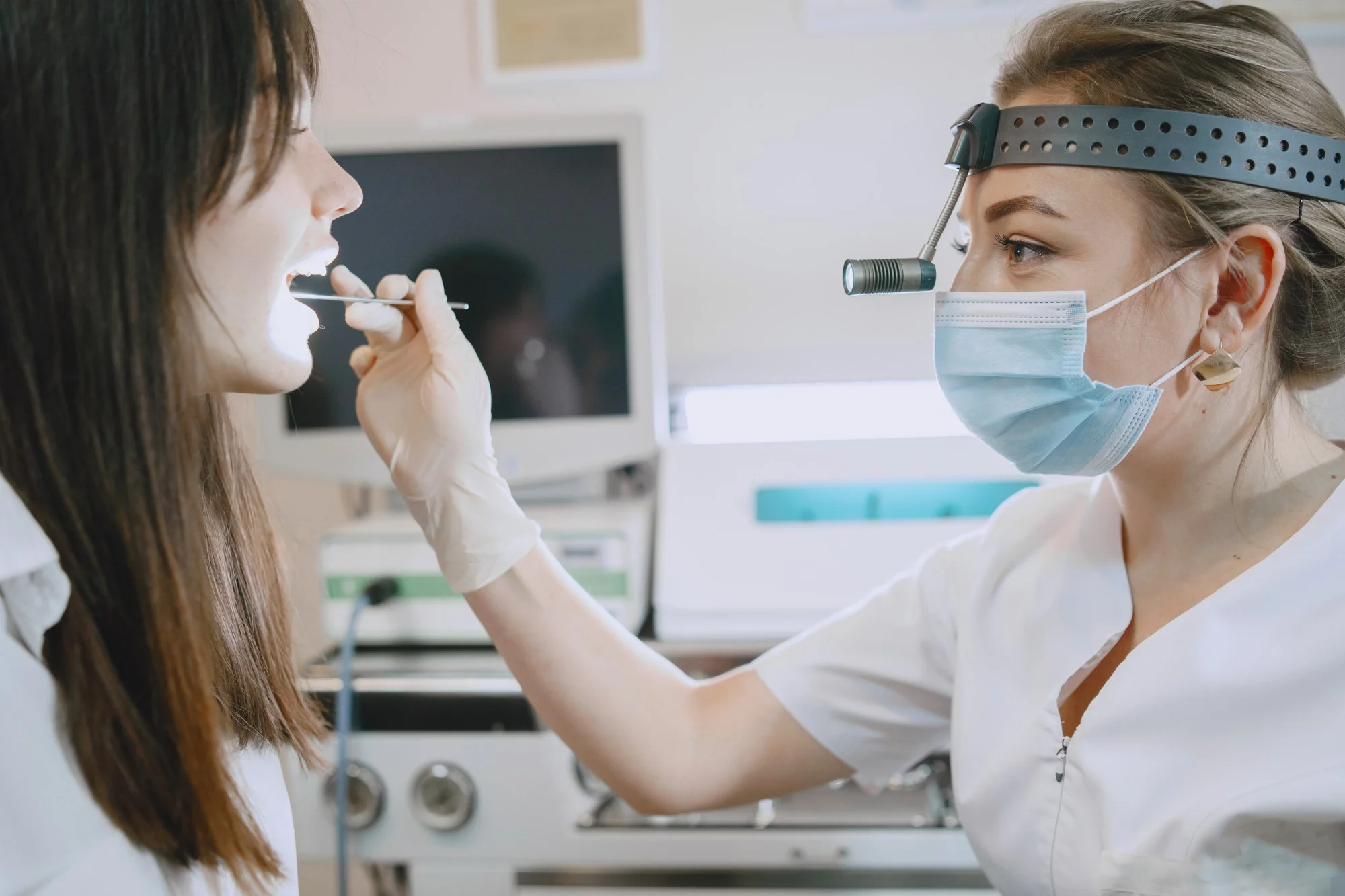
Bite assessment reviews tooth contact, jaw movement and wear or damage. It helps determine whether your bite contributes to a dental concern or another cause needs review.
Check where upper and lower teeth touch when you close your mouth.
Check how your teeth meet during jaw movements and chewing tasks.
Check tooth wear, fractures and signs of stress on dental restorations.
Uneven tooth contact does not always mean there is a dental problem. A bite assessment may help when tooth wear, fractures, a new filling or chewing pain raise concerns. Your dentist reviews how your teeth meet and considers other possible causes before discussing care.
Flattened edges or chips may suggest grinding, clenching or functional forces that need closer review.
Repeated cracks or broken fillings can have several causes, including tooth structure, material wear and bite forces.
Pain when biting or a tooth that feels high may require a focused examination before any change.
A new crown or filling may alter tooth contact. The area should be checked before adjusting it.

We assess how your teeth meet and your jaw moves, checking whether signs of wear or damage relate to your symptoms.
We discuss your concerns, and examine teeth, restorations and jaw movement. Your dentist explains whether the bite seems relevant to your symptoms and what options may follow.
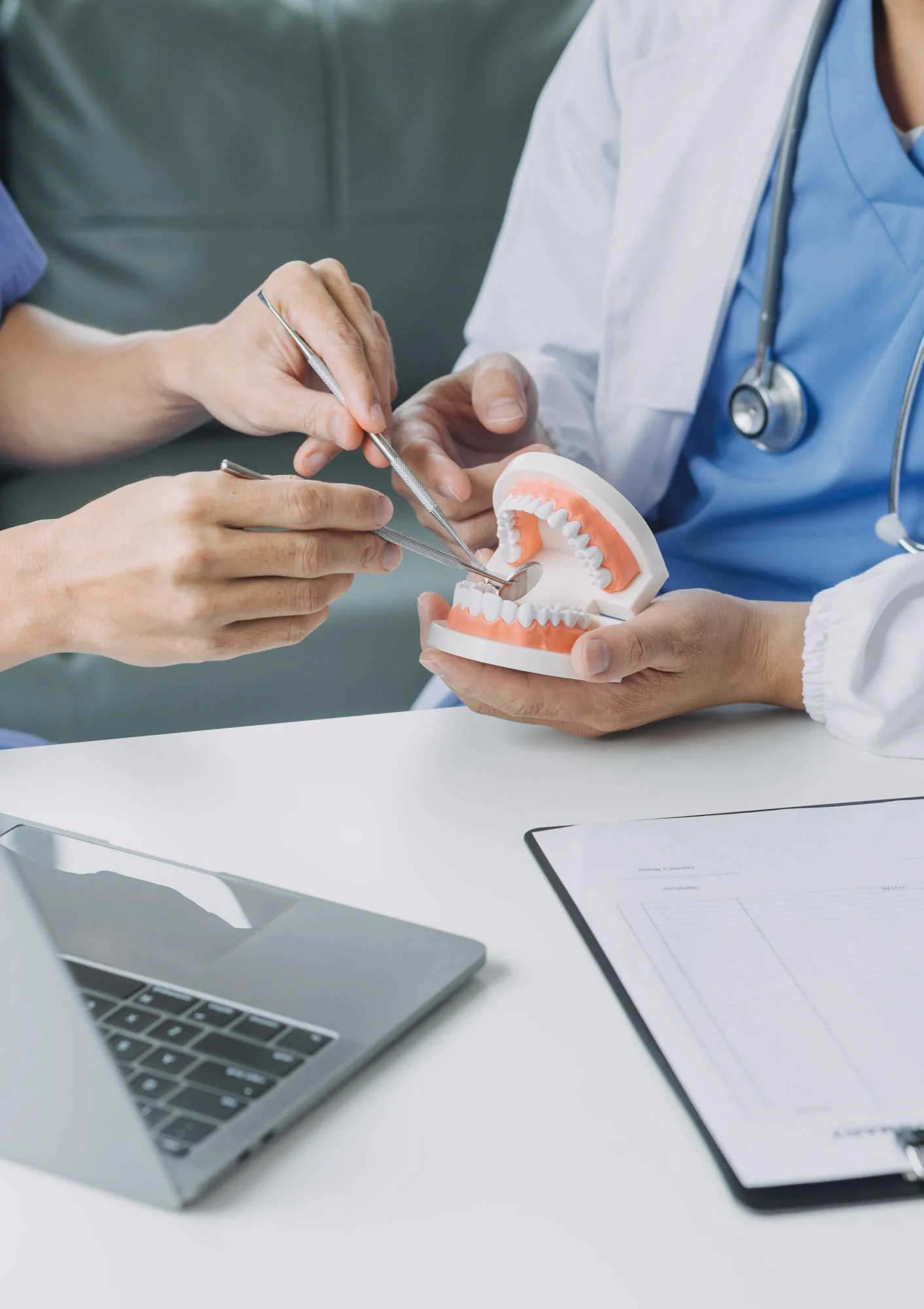
Review chewing pain, tooth fractures, changes after dental work and when your symptoms first began.
Note tooth surfaces, existing restorations, jaw movement and related findings during the assessment.
Observe how your teeth meet at rest and during jaw movements, noting some contact patterns related to your concerns.
Review findings and discuss whether monitoring, appliance care, restorative checks or a specialist referral may be appropriate.
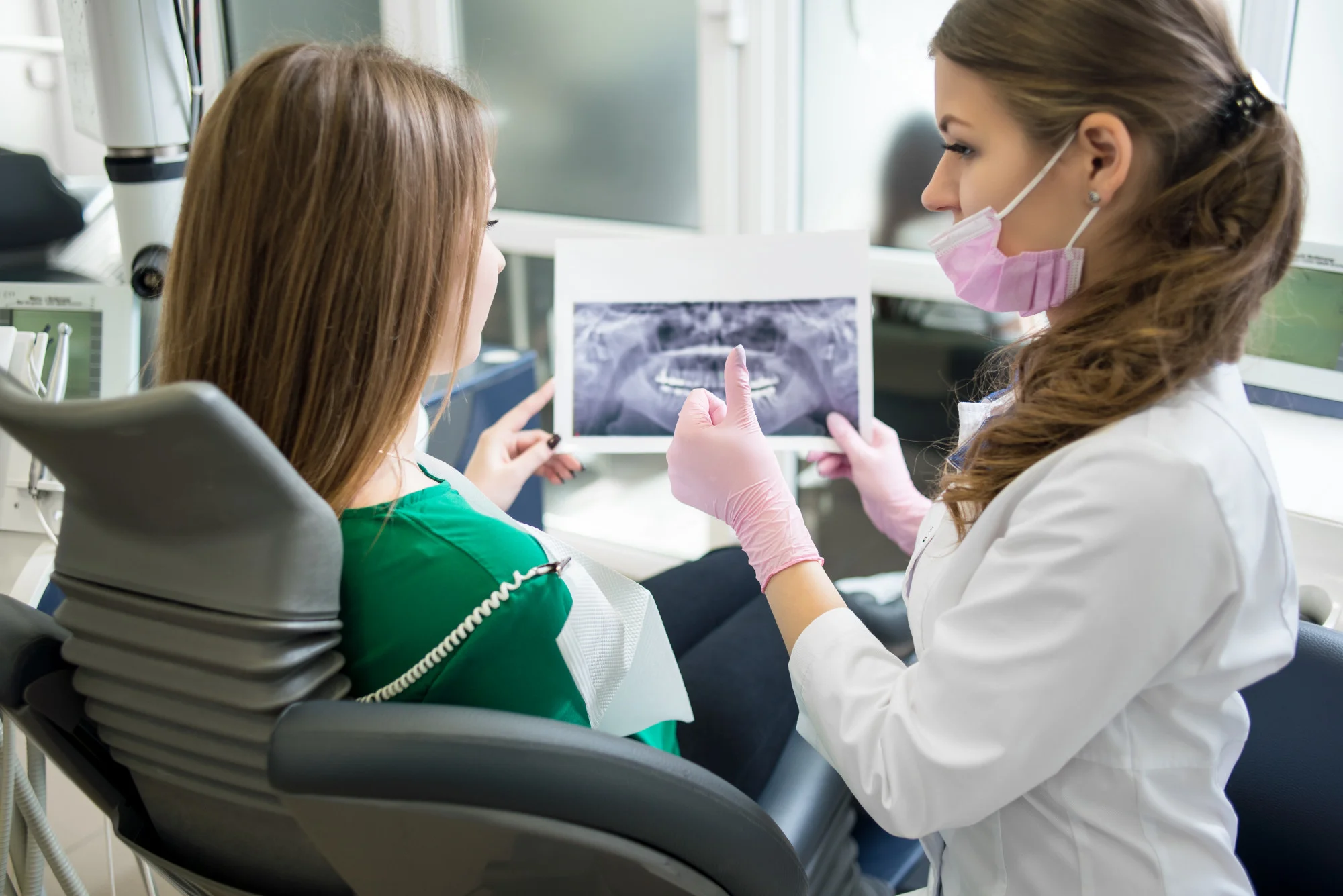
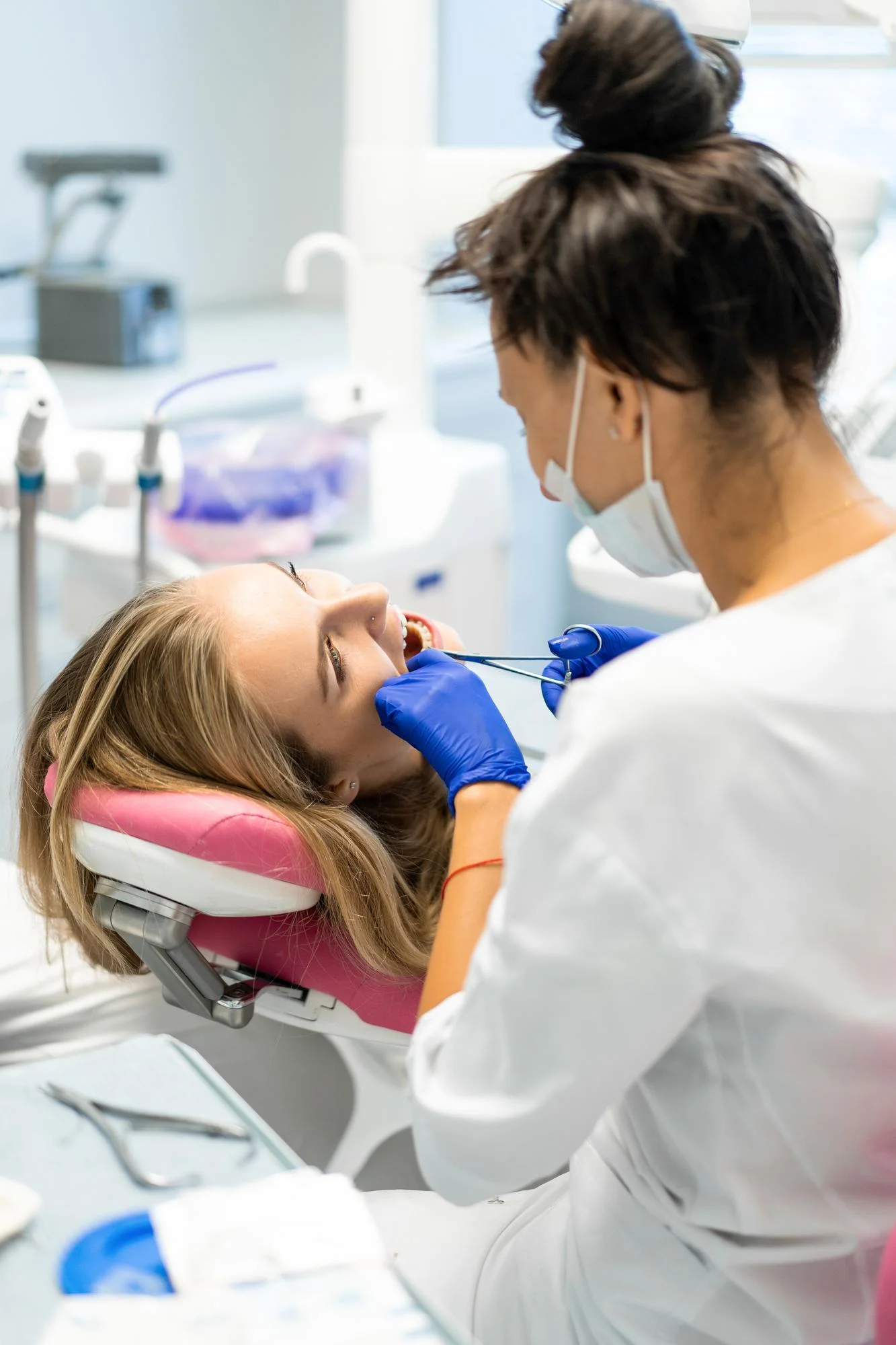
A bite assessment may help with repeated chips, chewing pain or a restoration that feels different. Contact is one factor; other dental and jaw conditions can cause symptoms. Your dentist considers the full picture.
Flattened or chipped teeth may prompt a review of grinding, clenching, bite wear and other possible causes.
Jaw muscle aches may relate to clenching, but bite contact is not always the main underlying cause.
A crown or filling that feels high may need a careful bite review.
Pain when biting should be assessed for cracks, inflammation or contact concerns.
We review symptoms, tooth structure, jaw movement and contacts together. Not every uneven bite needs changing. Recommendations need a clinical reason, with room for questions and monitoring.
Understand what the examination found and whether tooth contact may matter.

Do not alter tooth structure without a clear reason and informed discussion.
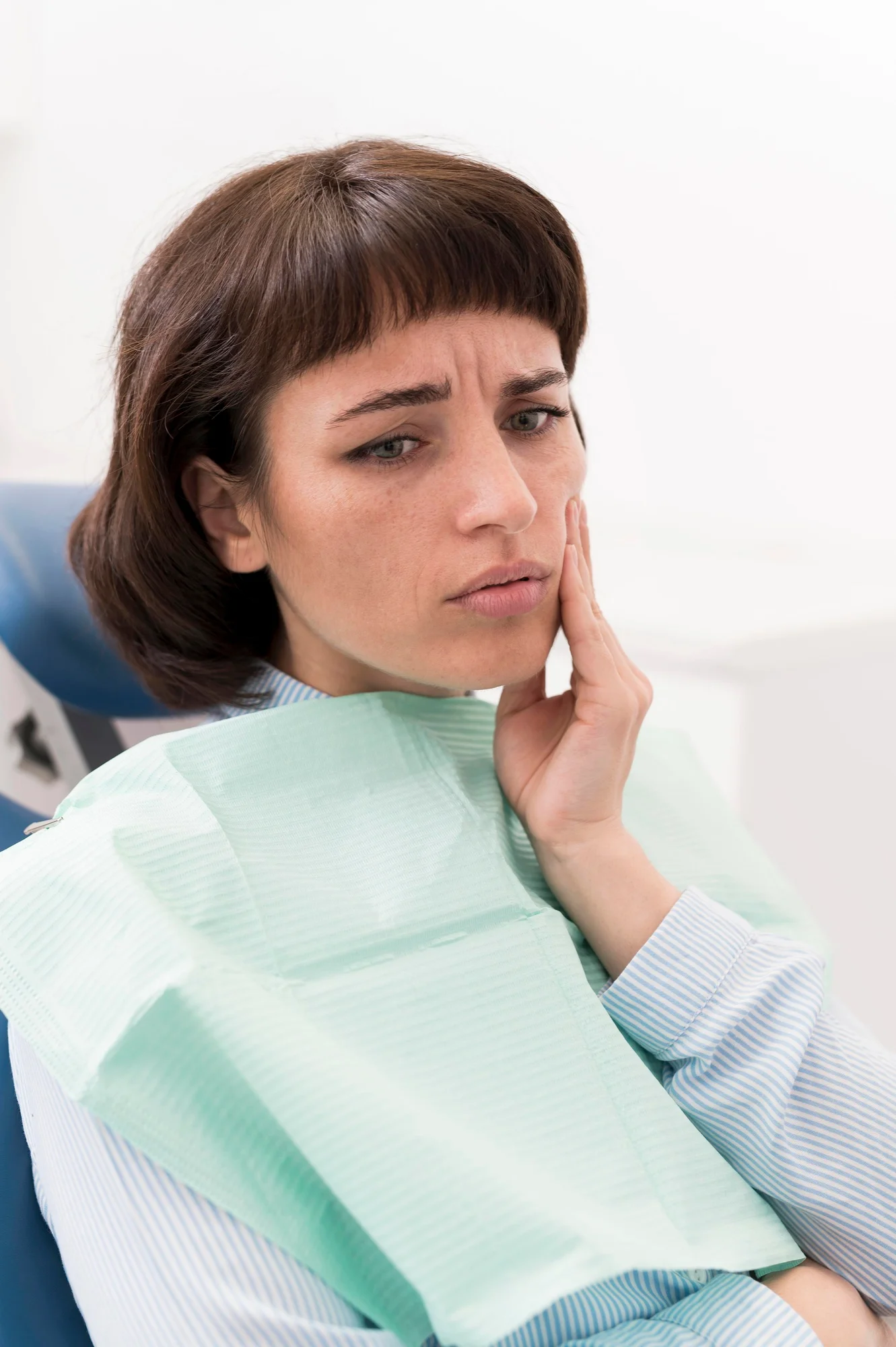
Consider monitoring or a guard when appropriate before permanent changes.
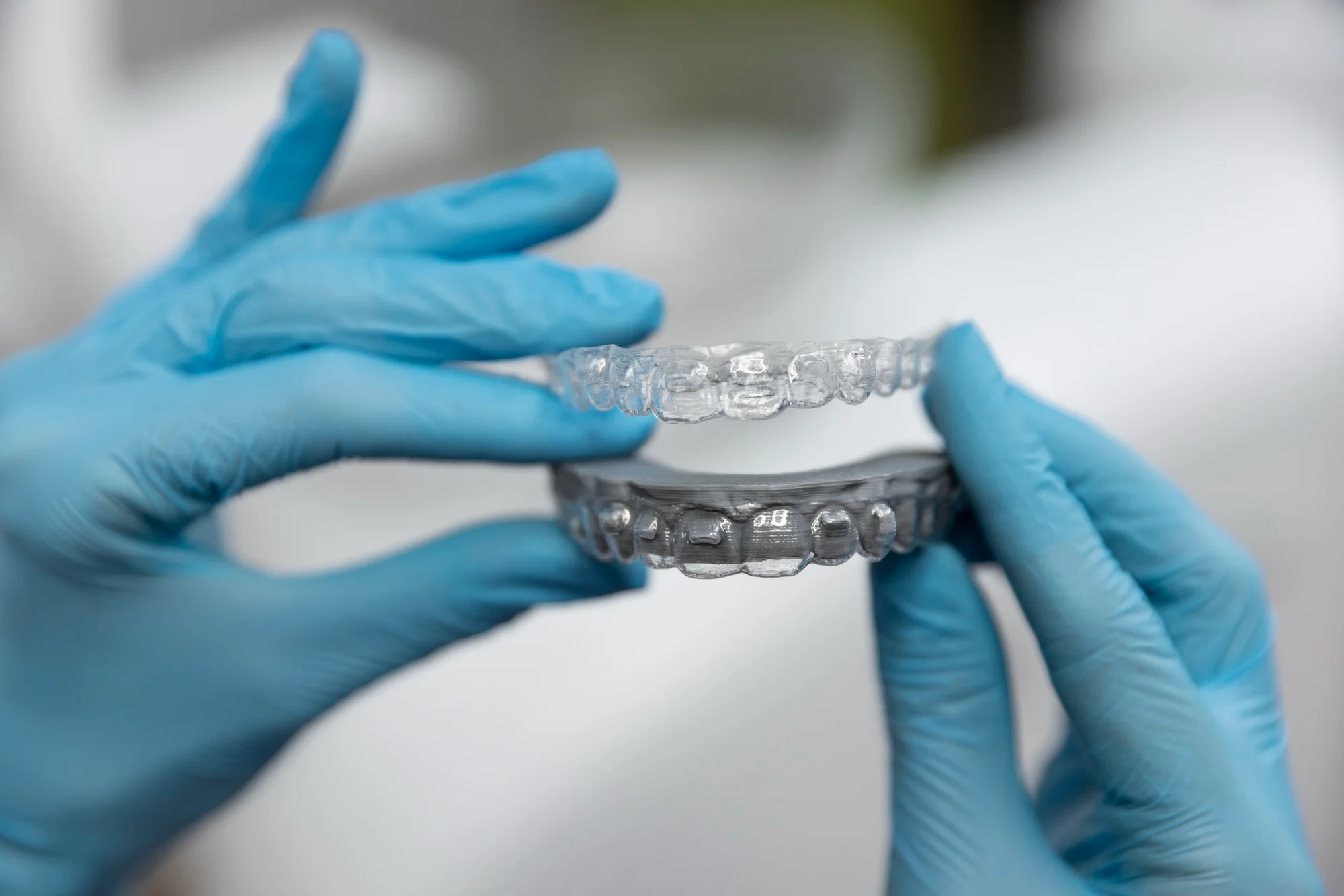
Review symptoms, dental restoration condition and appliance fit during follow-up visits as findings shift over time.
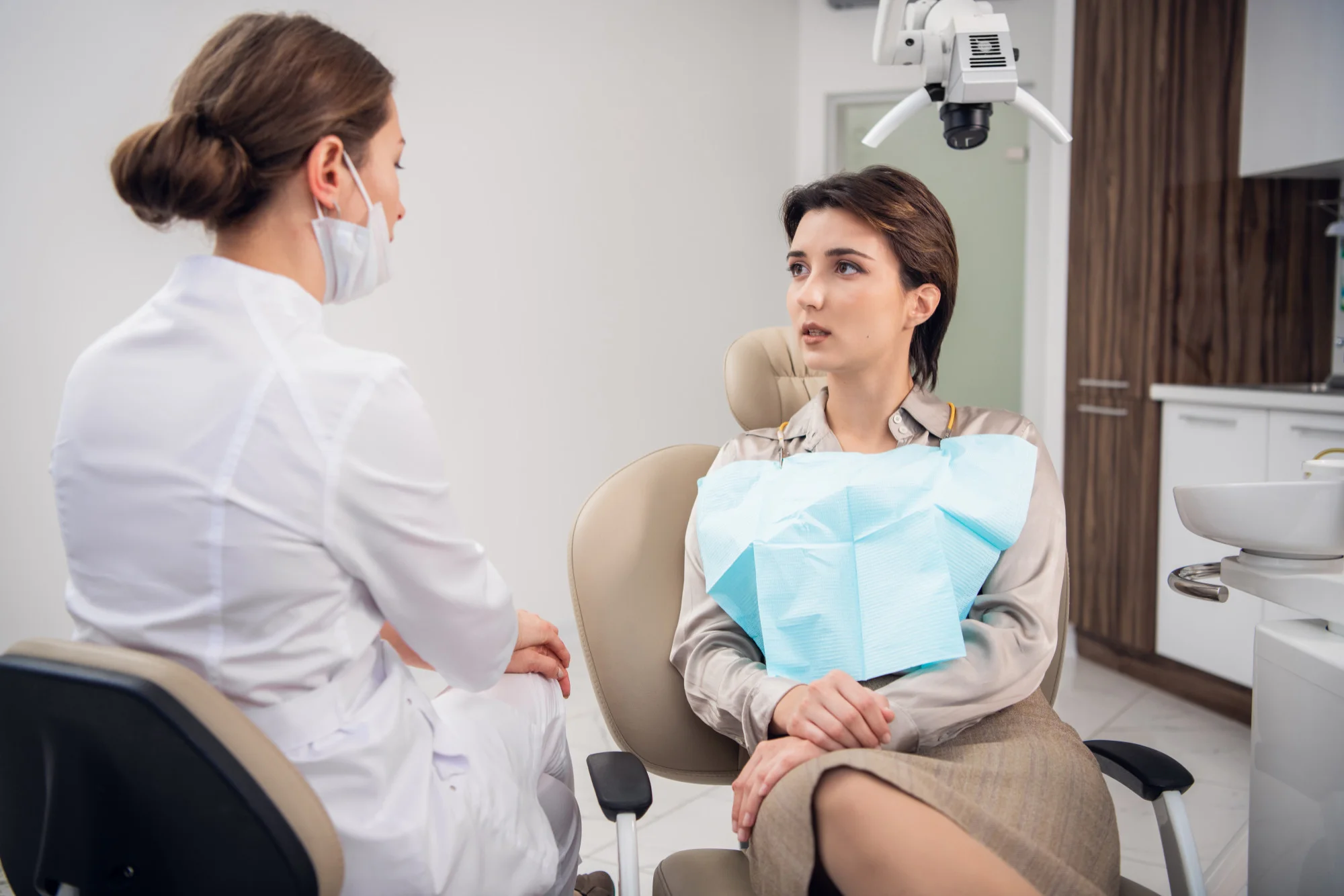
Patients ask whether uneven contacts need correction and how bites relate to jaw pain. Assessment helps put these concerns in context before treatment is discussed.
No. Teeth need not have perfectly even contacts to function. An uneven bite matters when findings link it to discomfort, tooth damage or restorative needs. Your dentist may advise observation, repair or another conservative option instead of permanent adjustment.
Bite contacts can matter, but jaw pain has many possible causes, including muscles and joints. A TMJ assessment may be more useful for pain, locking or limited movement. Treatment should reflect the findings, not a single assumed cause.