Biological & Holistic Dental Care in Edmonton, Alberta
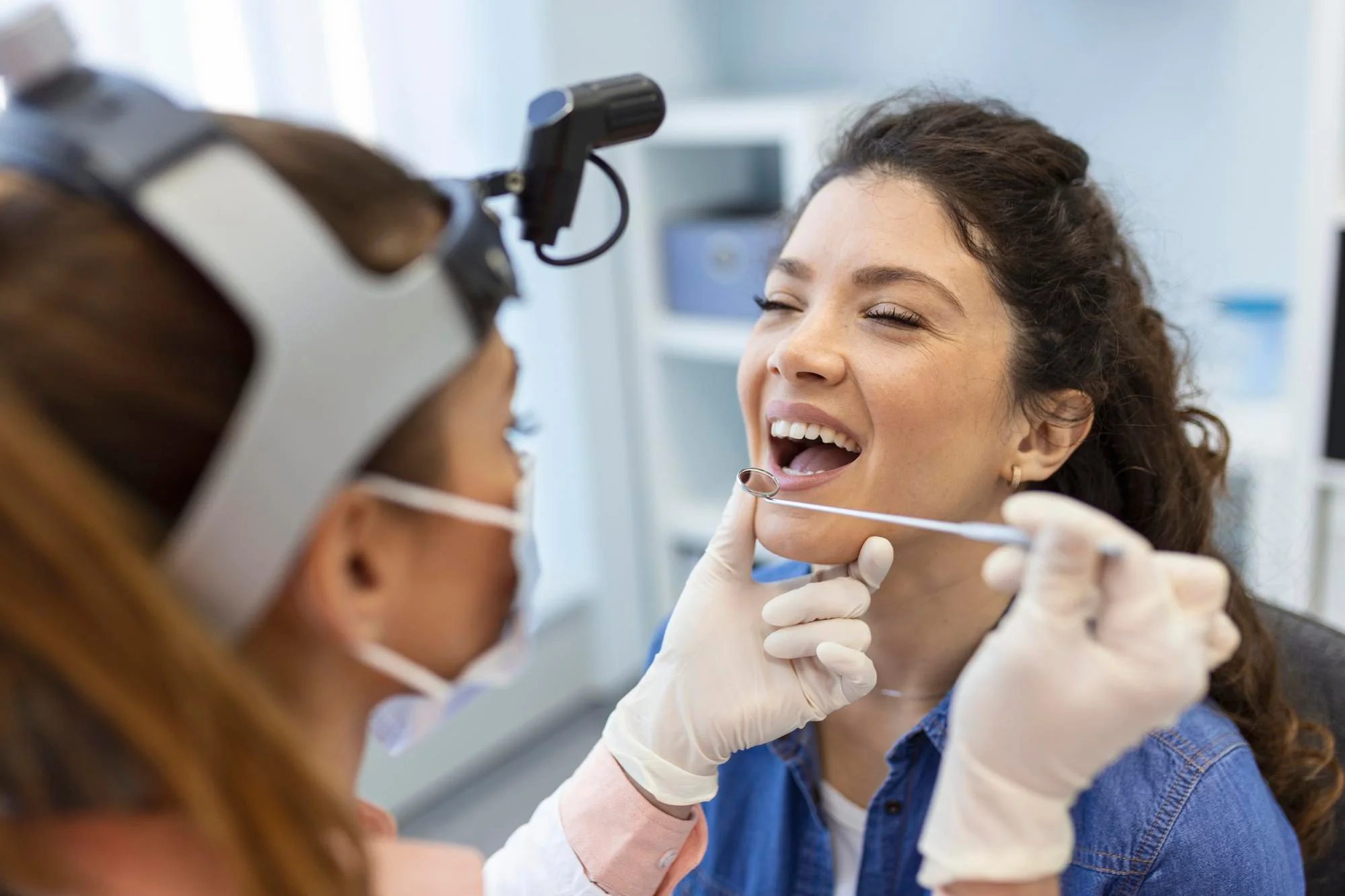
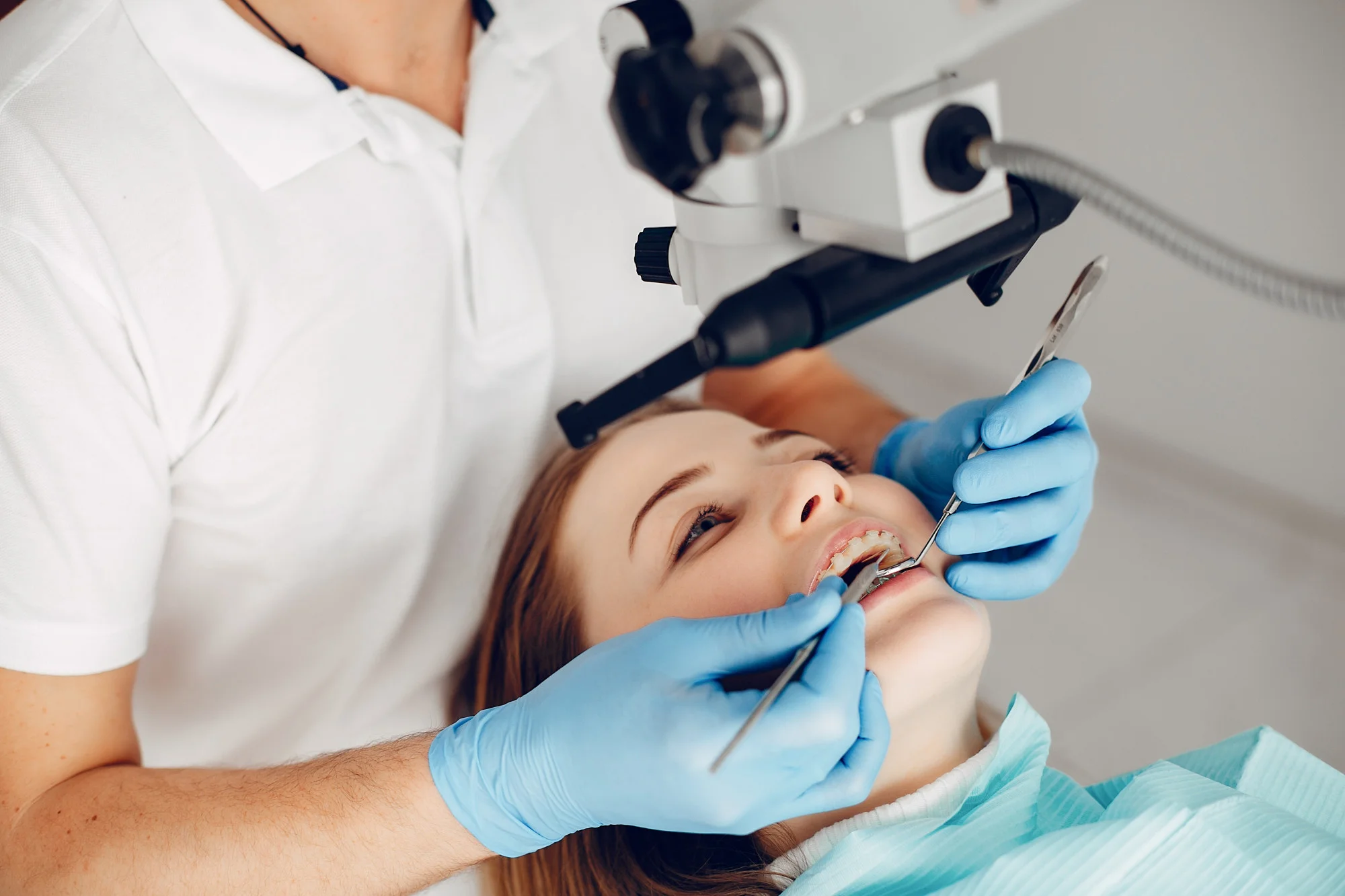
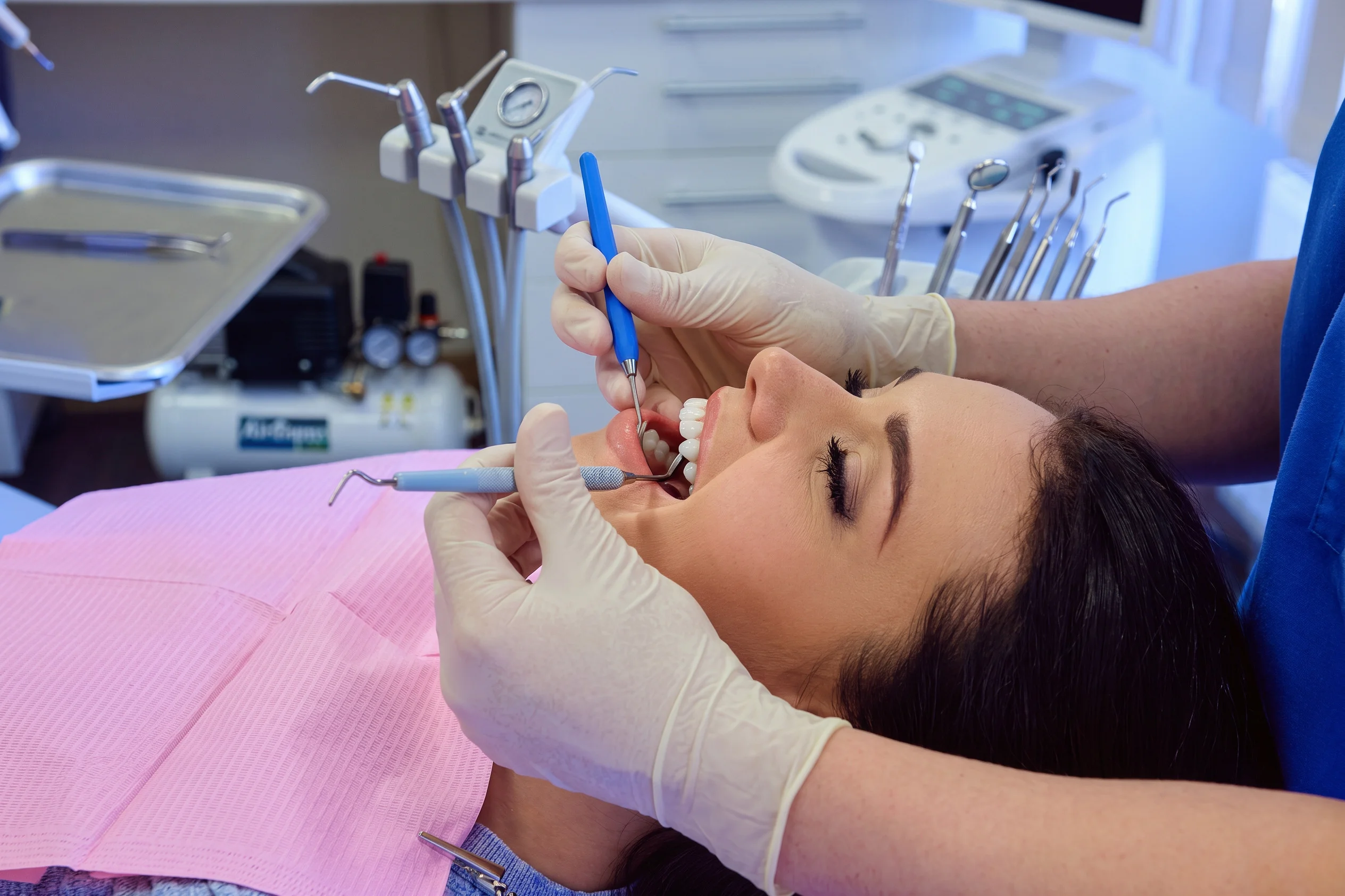
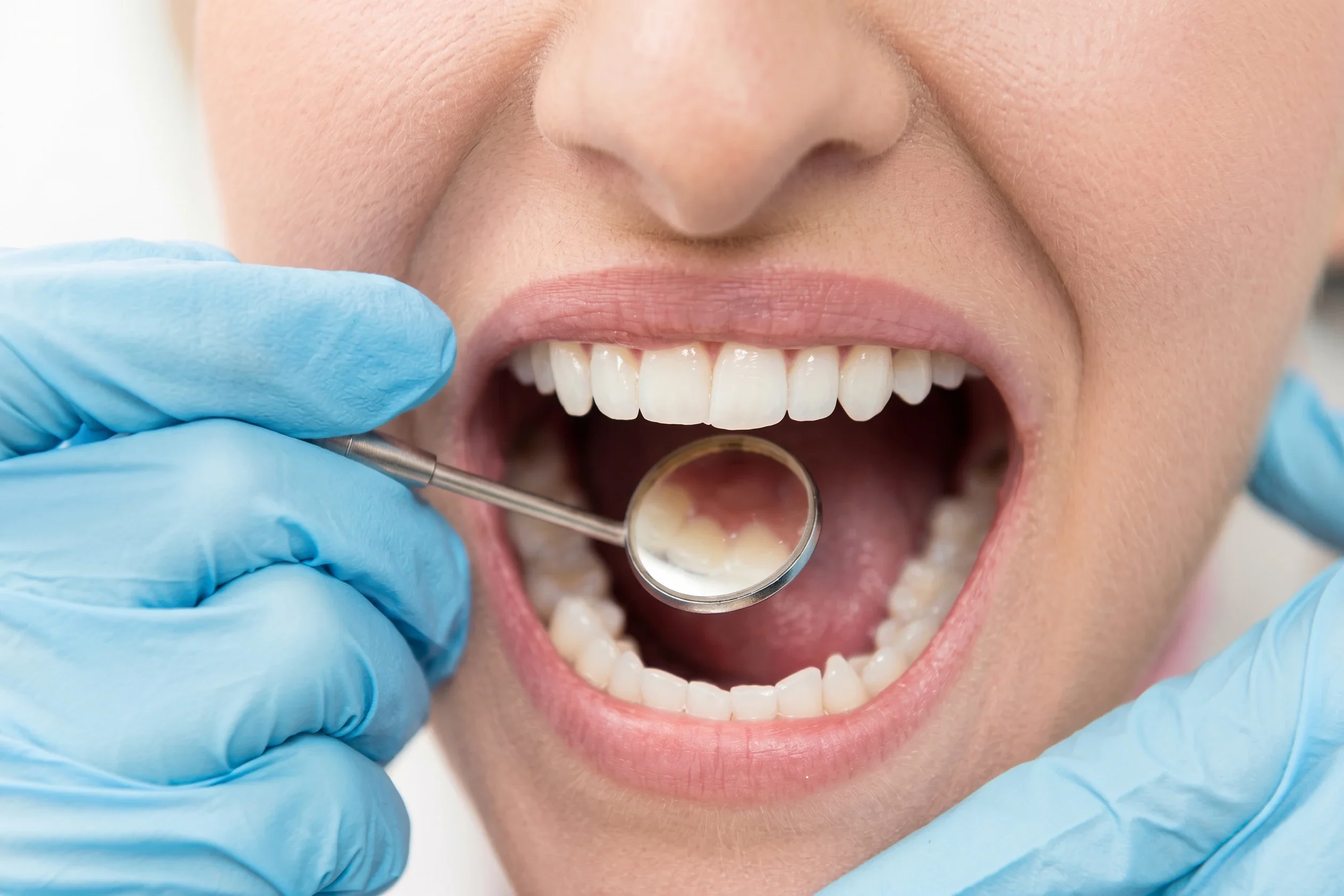
Dental care begins with a careful review of your oral health, medical history and existing dental work. At our Terwillegar practice, we explain the findings, discuss appropriate dental materials and help you understand when monitoring, treatment or a specialist referral may be needed.
Looking Beyond Individual Teeth to Understand Your Overall Oral Health
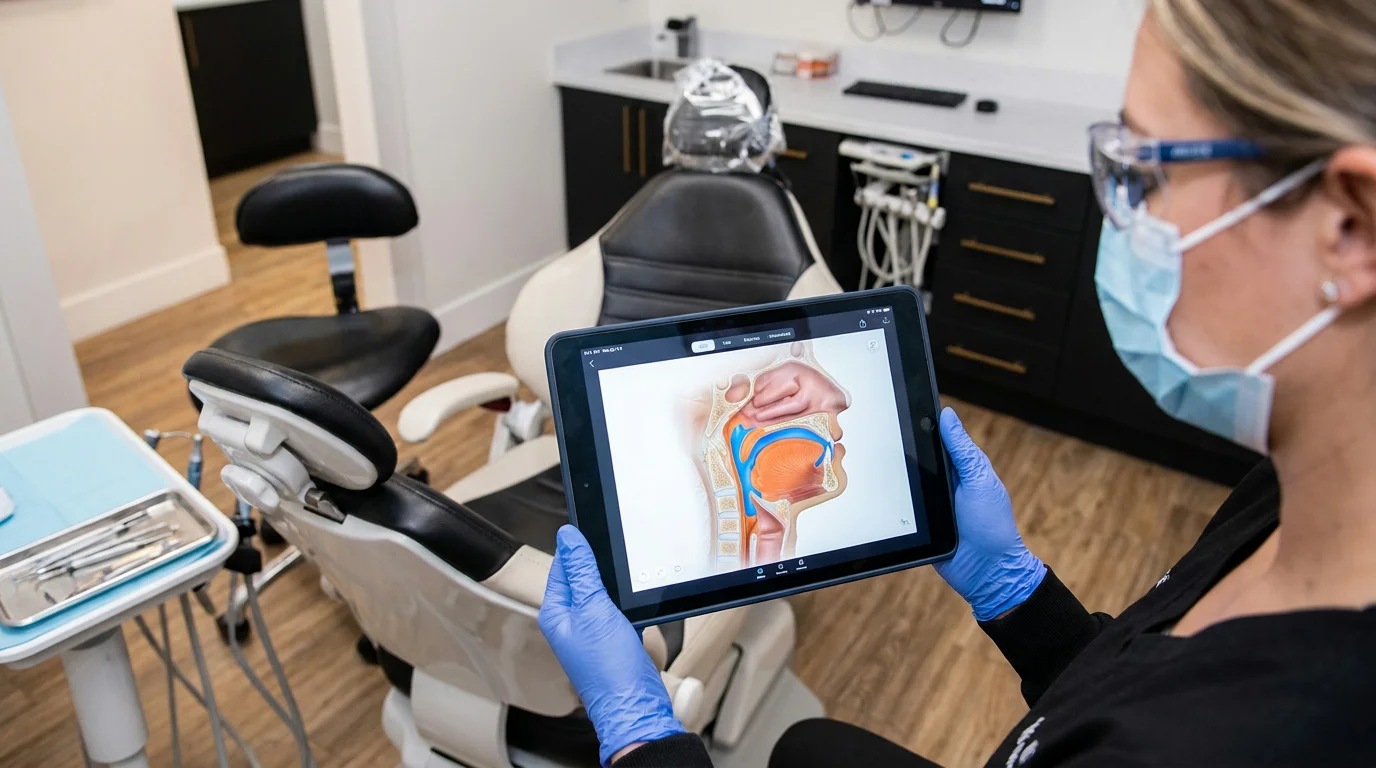
Biological dentistry considers oral findings alongside health history, habits and questions about dental materials. This does not mean every health concern starts in the mouth. We explain the evidence and when a medical or specialist assessment may help.
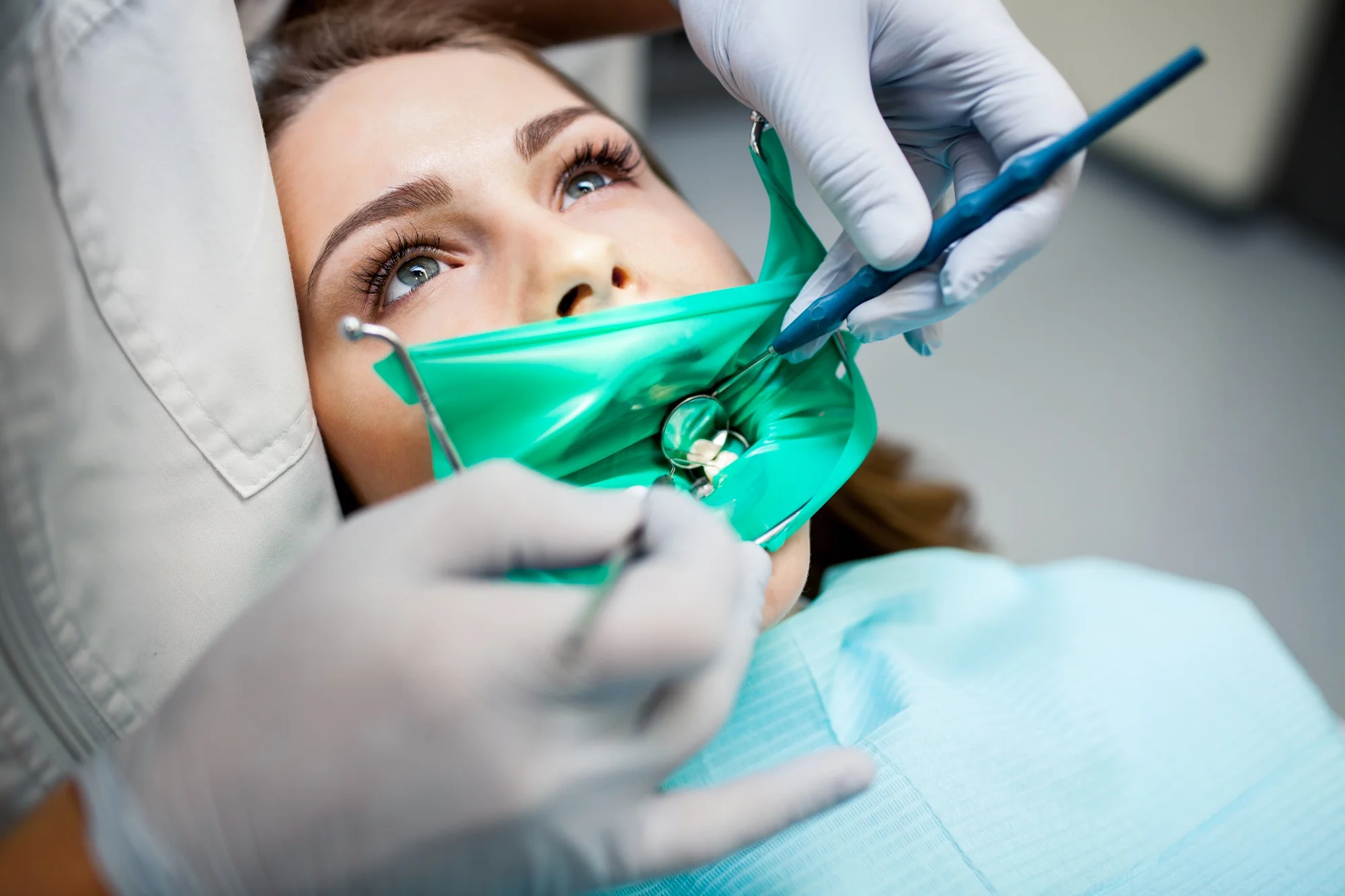
Check the tooth and oral tissues before recommending treatment.
Understand Your Material Choices
Compare dental materials with the tooth and treatment in mind.
Avoid Unnecessary Treatment
Monitor or repair sound fillings rather than replace them without cause.
Start With a Dental Assessment
Check the tooth and oral tissues before recommending treatment.
Understand Your Material Choices
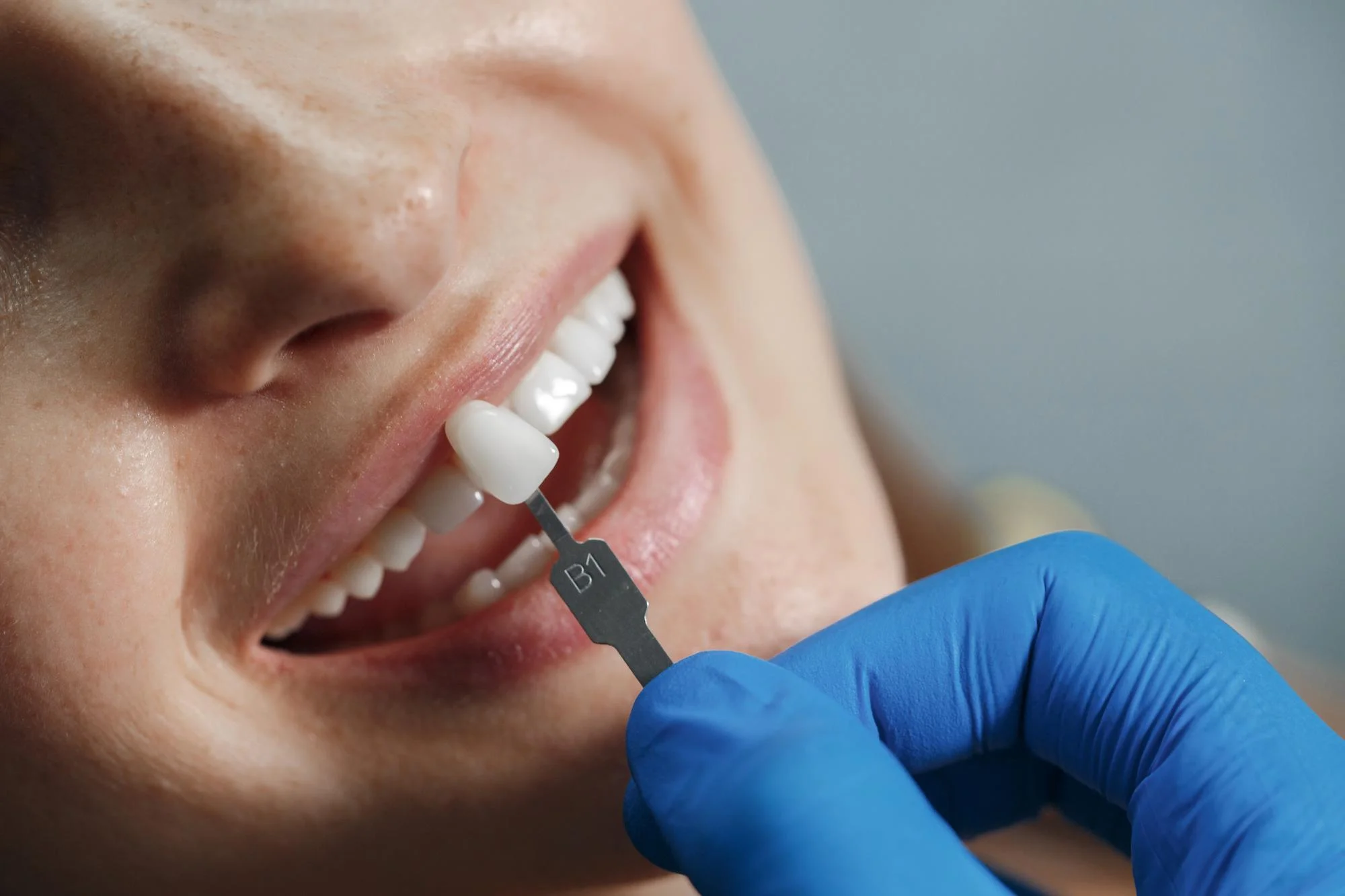
Compare dental materials with the tooth and treatment in mind.
Avoid Unnecessary Treatment
Monitor or repair sound fillings rather than replace them without cause.
Prevention and Dental Reviews
Understand Your Oral Health Before Making Dental Treatment Choices.
Dental history, exams and selected tests may clarify concerns. Recommendations depend on findings, not assumptions about materials or symptoms.
Oral Checks
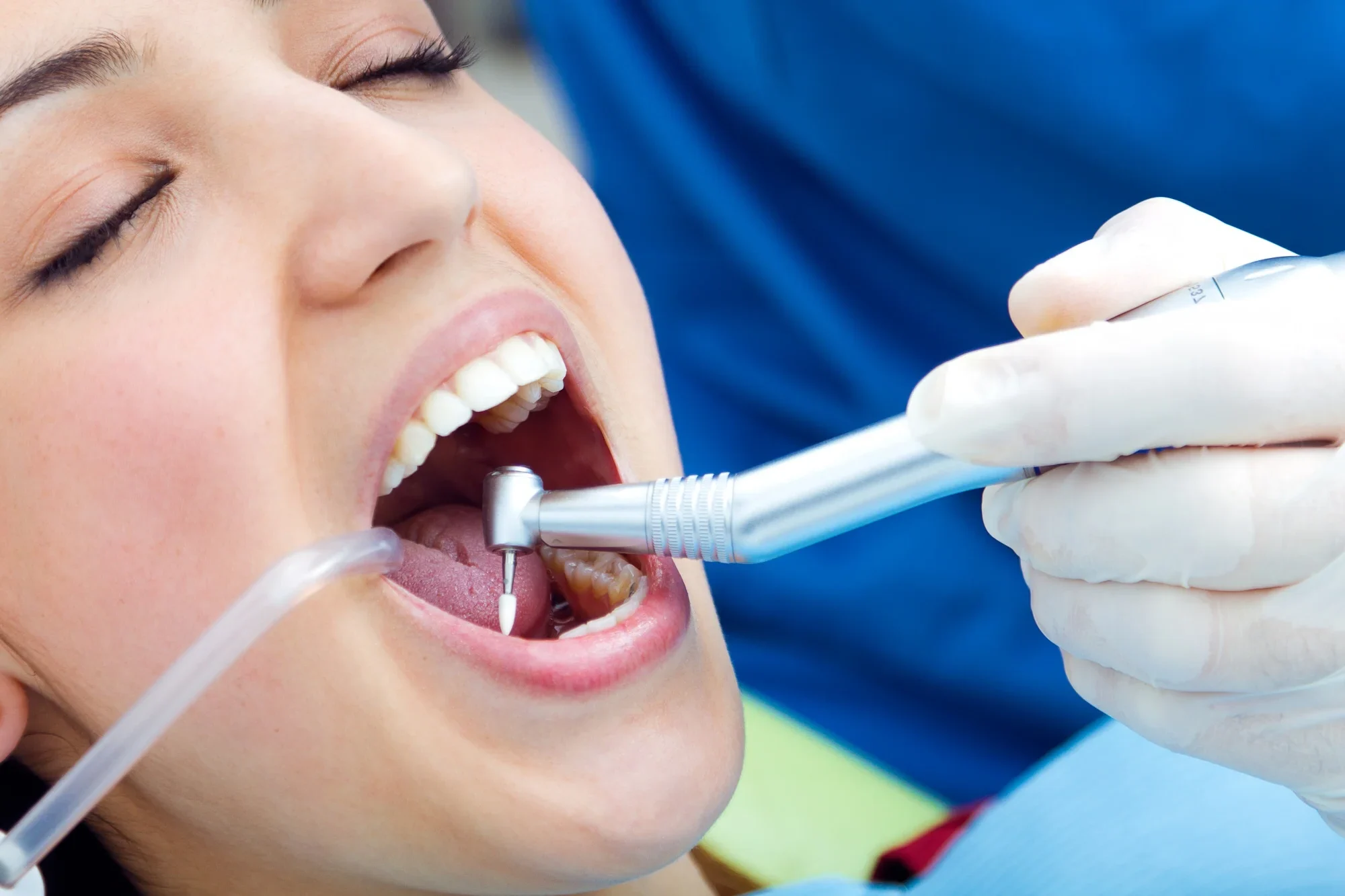
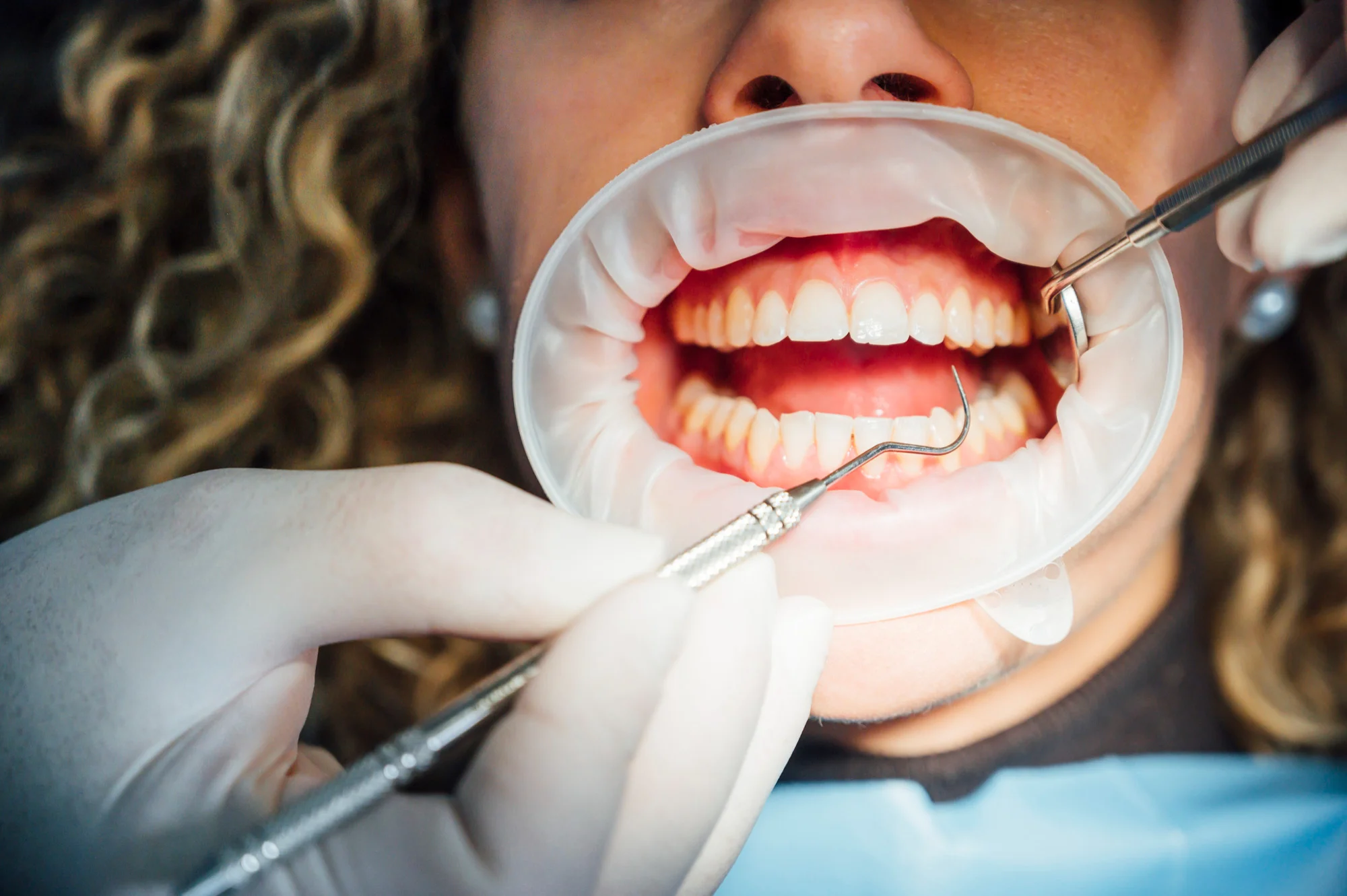
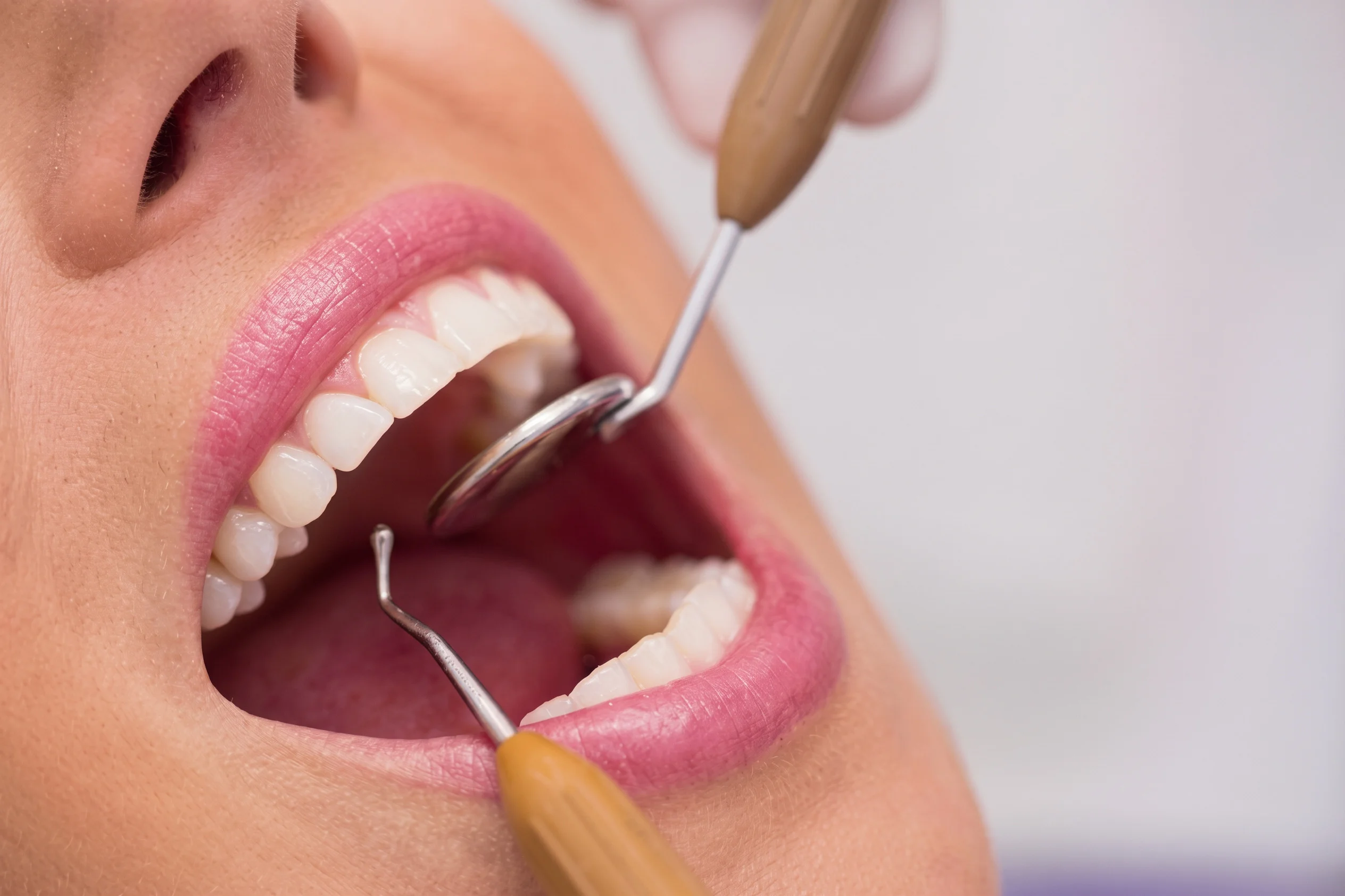
We assess sensitivity, tissue irritation and wear around restorations, then discuss whether monitoring or further review may help.
Saliva Testing
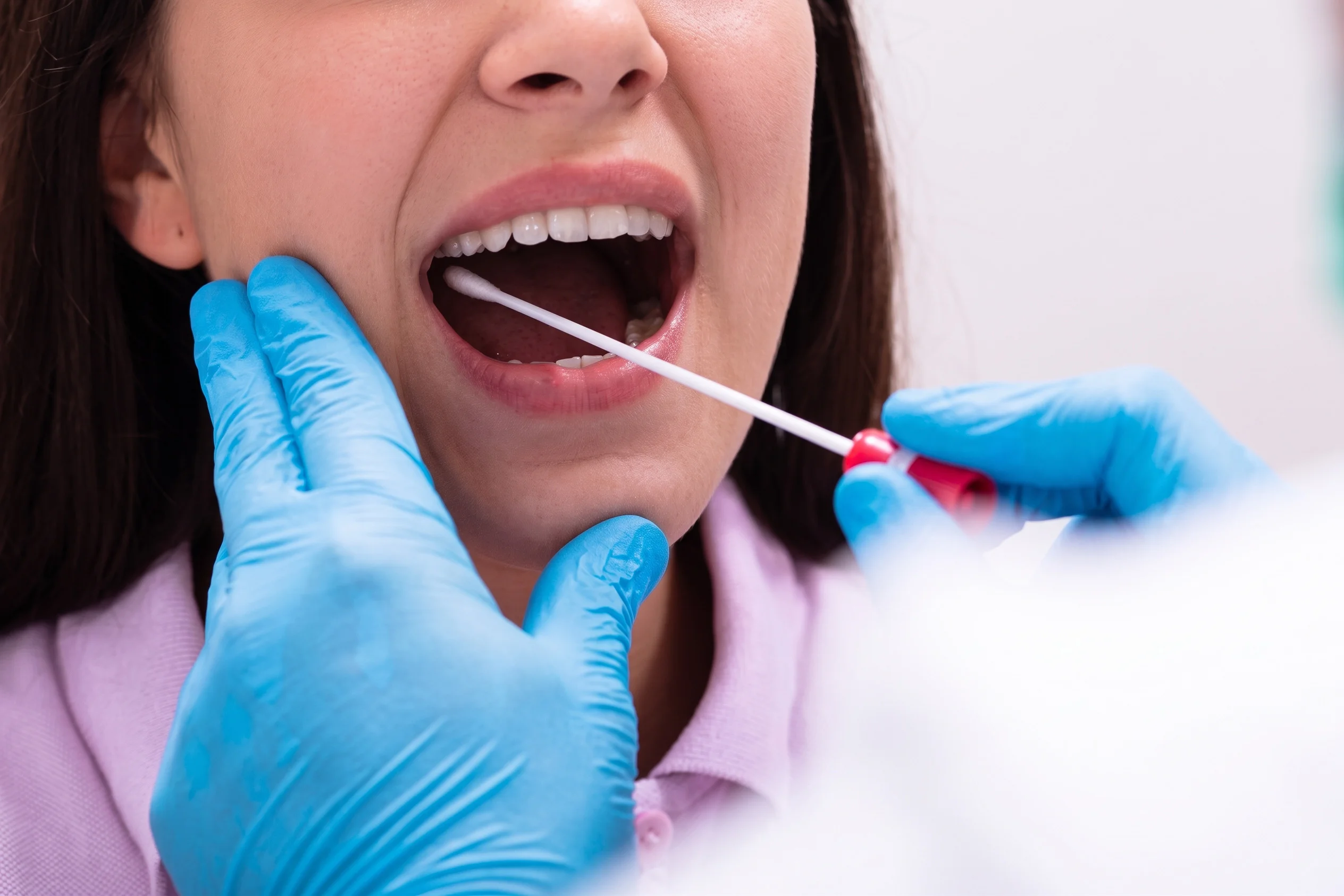
Saliva tests may help assess dry mouth in selected cases when reviewed with other dental findings.
Wellness Review
Discuss health history, medications and daily habits alongside the condition of your teeth, gums and tissues.
Dental Materials
When Fillings or Crowns Need Attention
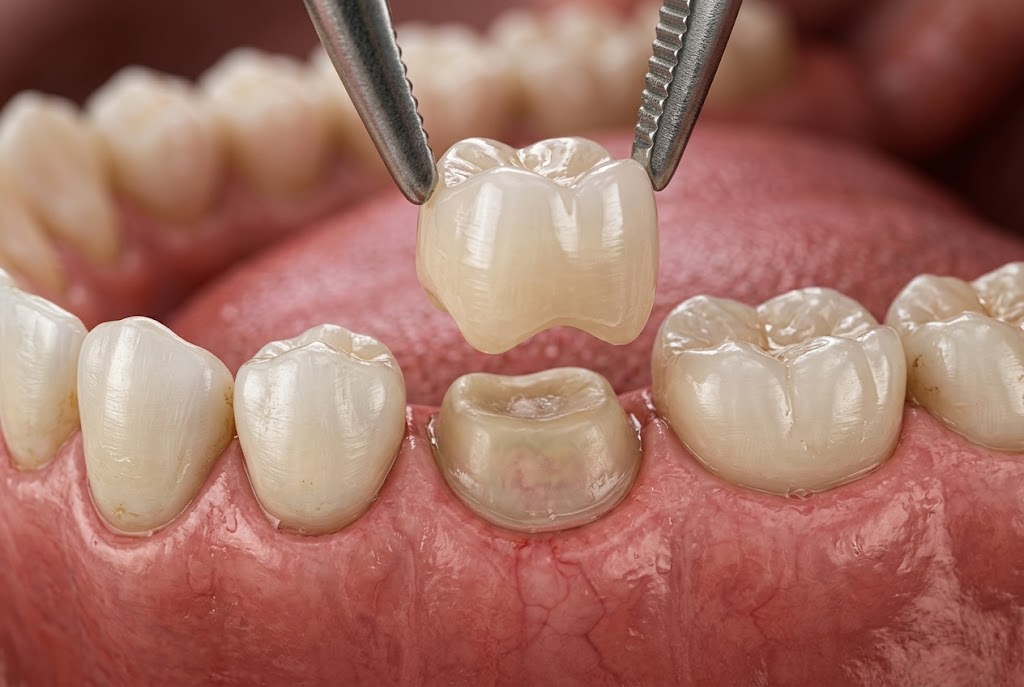
Fillings and crowns differ in materials and coverage. A restoration may need attention because of decay, damage or poor function. Your dentist can explain whether monitoring, repair or replacement is appropriate and compare suitable materials before treatment.
Filling Replacement
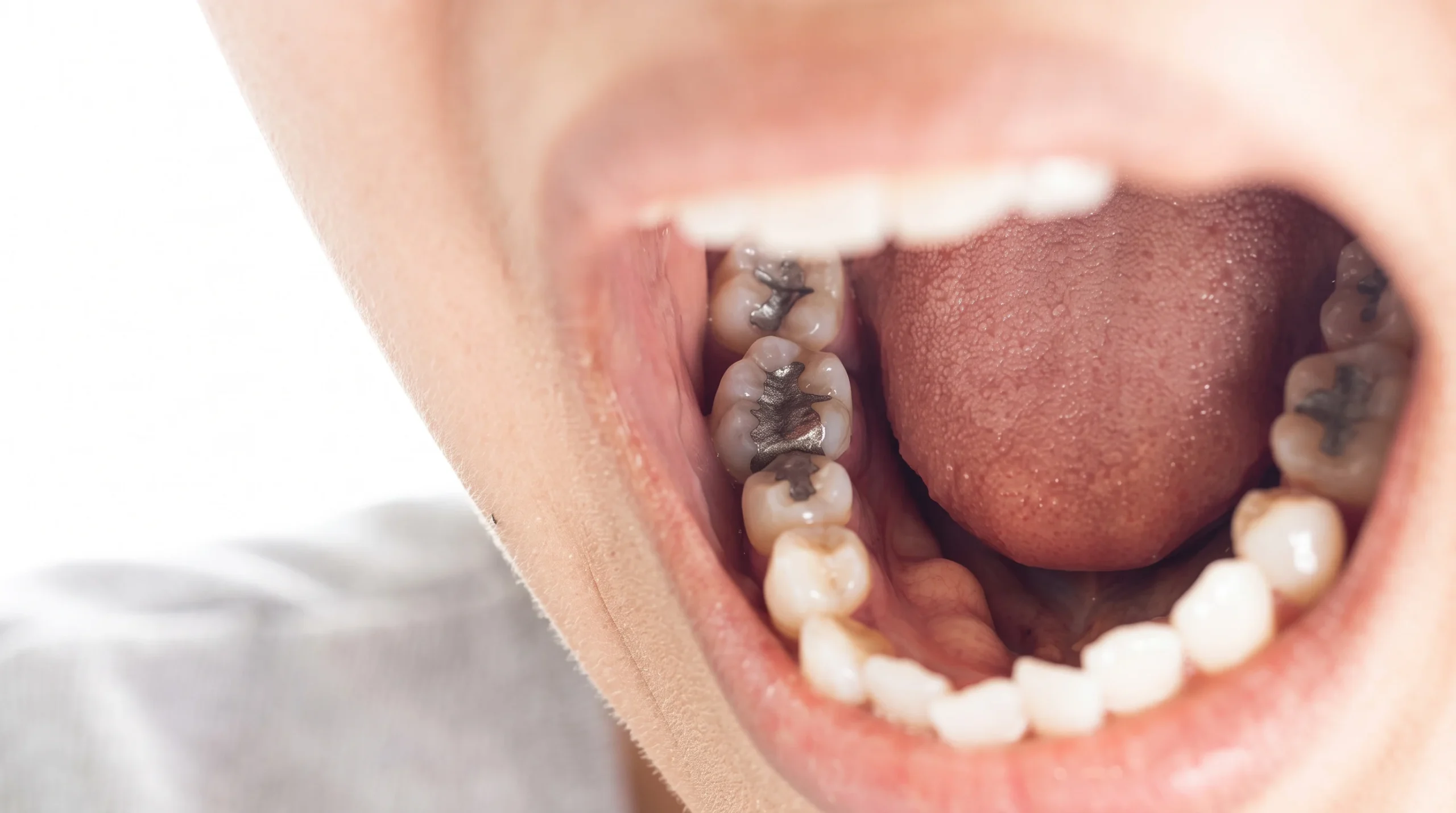
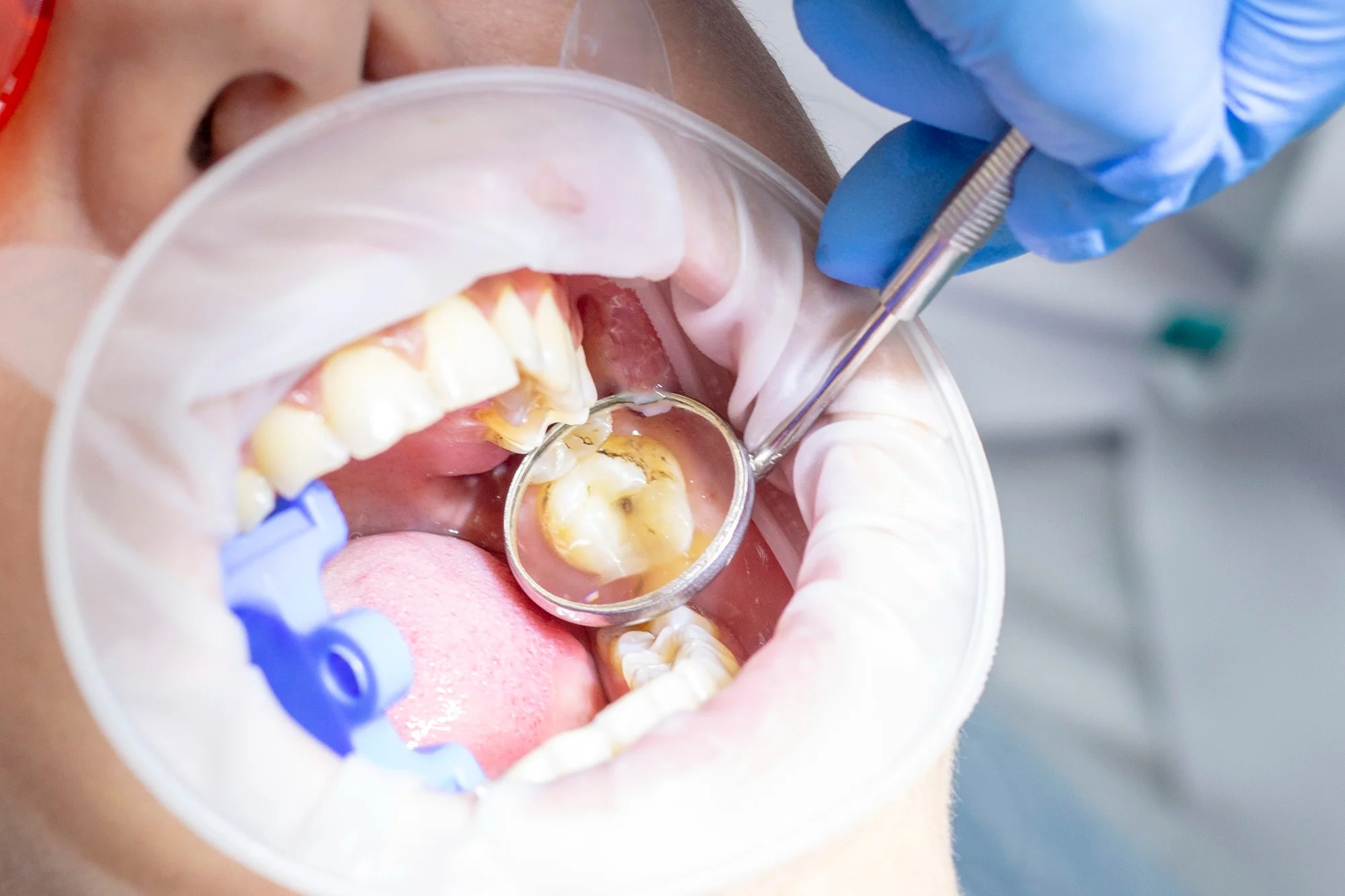
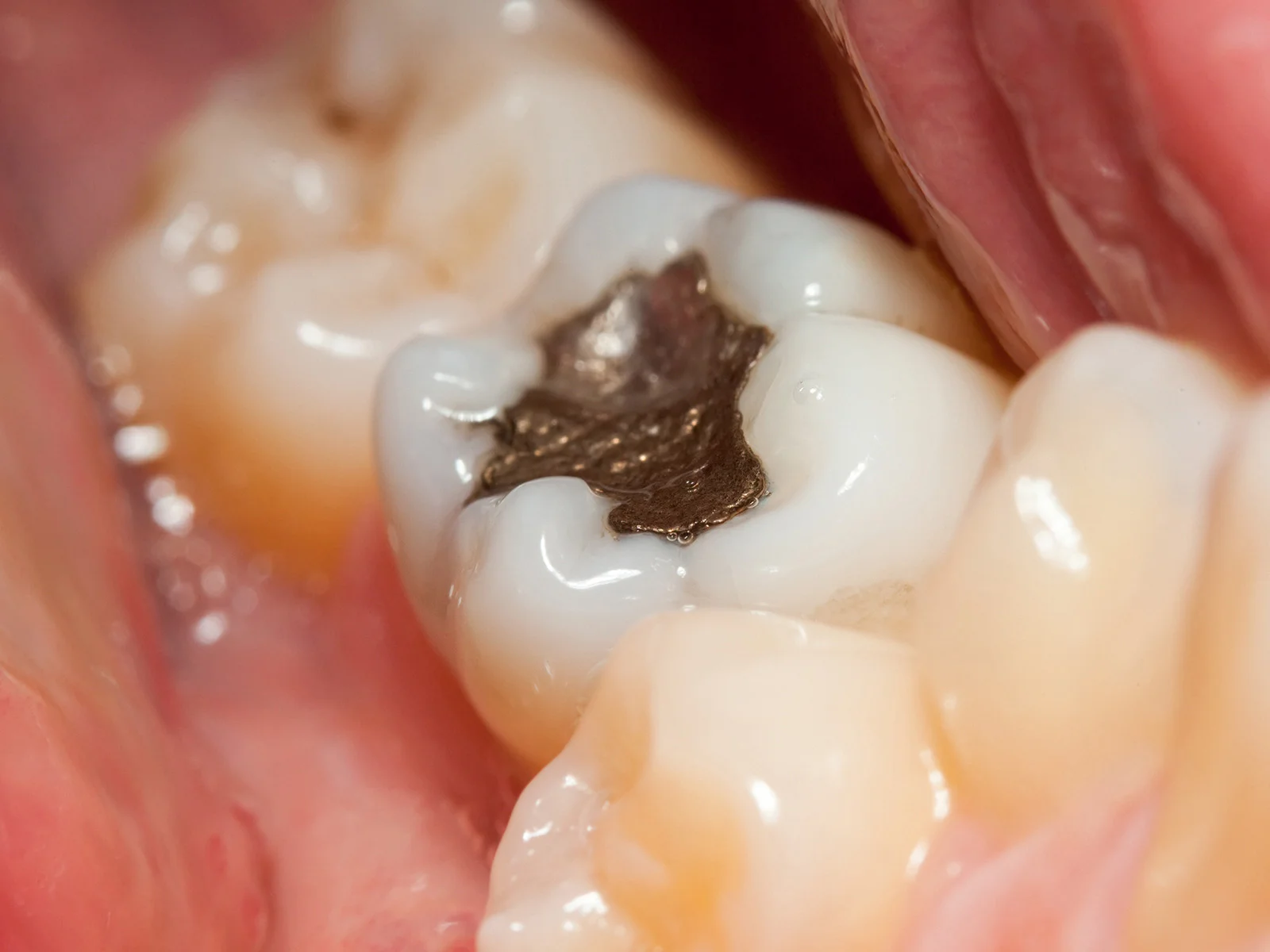
Older fillings may need repair or replacement if fractured, loose or affected by decay. Sound fillings can remain.
Amalgam Care
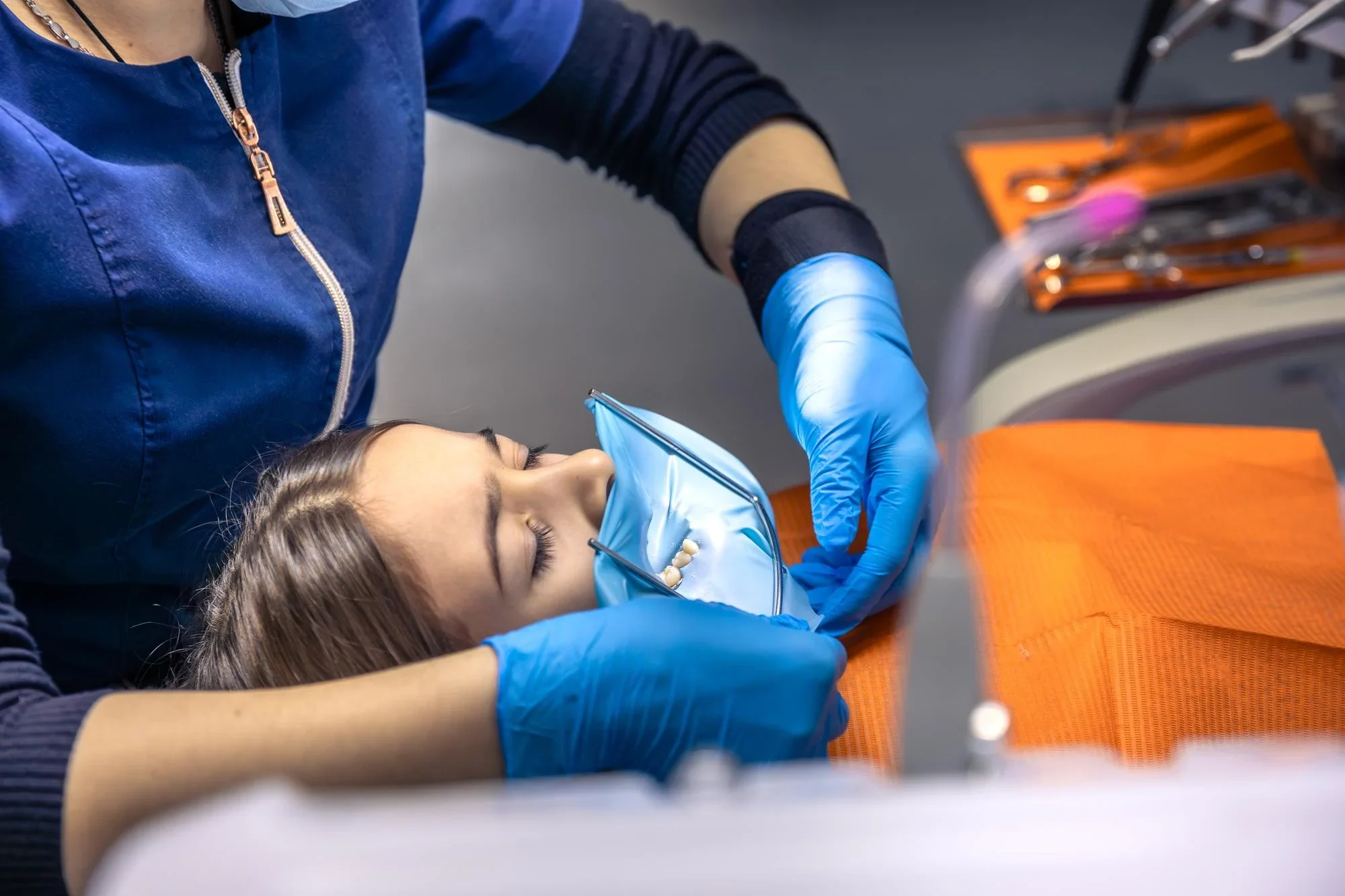
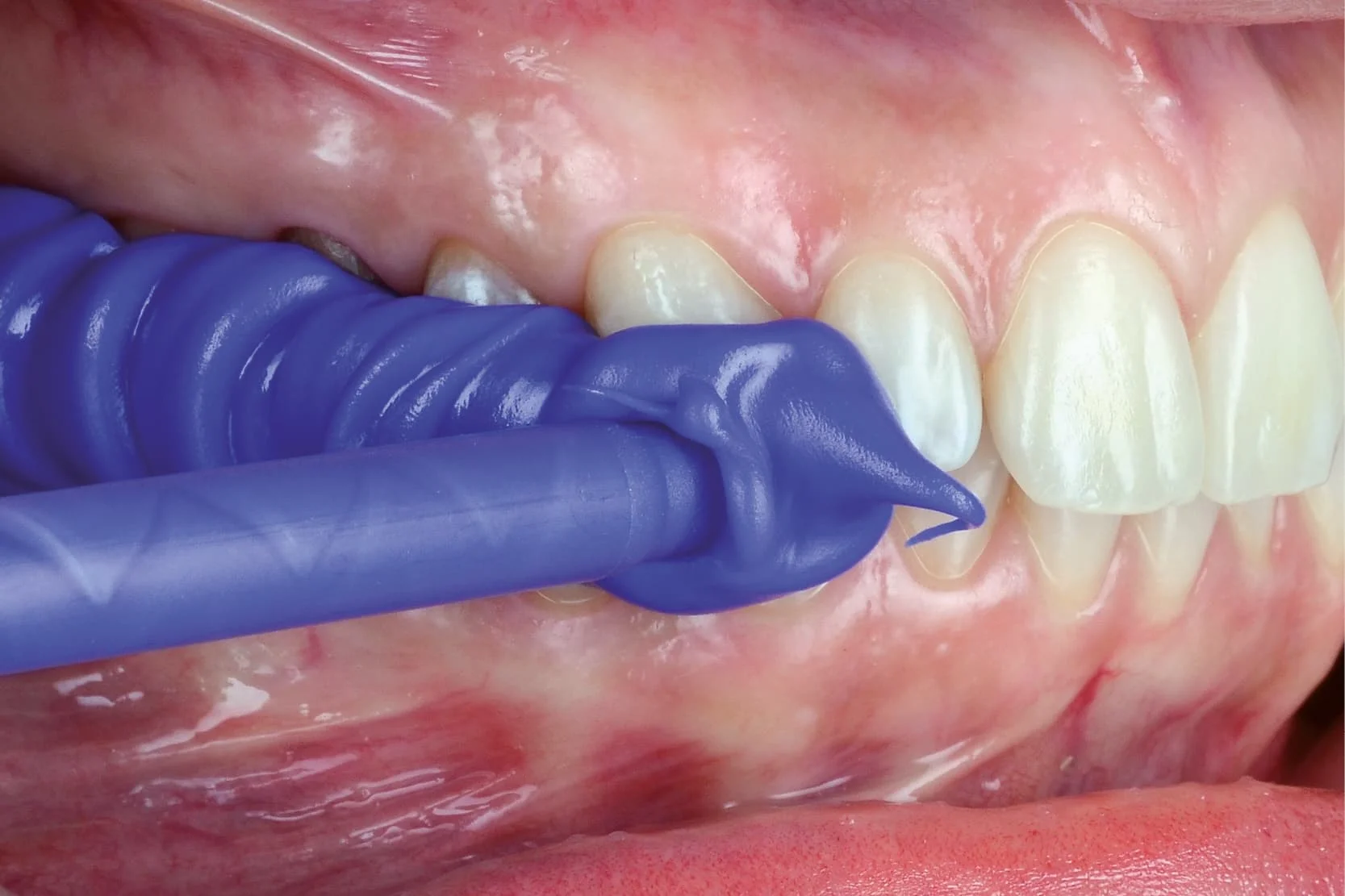
When amalgam removal is needed, discuss precautions to limit exposure and the restoration the tooth will require afterwards.
Filling Replacement
Older fillings may need repair or replacement if fractured, loose or affected by decay. Sound fillings can remain.
Amalgam Care
When amalgam removal is needed, discuss precautions to limit exposure and the restoration the tooth will require afterwards.
Review examination findings and dental history first, rather than treating assumptions as confirmed diagnoses.
02Filling Materials
Explain filling choices in relation to tooth condition and oral function.
03Preserve Tooth Health
Keep healthy tooth structure where possible, and avoid replacing sound restorations without a clear reason.
04Knowing When to Refer
Seek specialist input when concerns need assessment beyond general dental care.
Evidence Before Treatment
Review examination findings and dental history first, rather than treating assumptions as confirmed diagnoses.
Filling Materials
Explain filling choices in relation to tooth condition and oral function.
Preserve Tooth Health
Keep healthy tooth structure where possible, and avoid replacing sound restorations without a clear reason.
Knowing When to Refer
Seek specialist input when concerns need assessment beyond general dental care.
Behind Your Care
Meet Dr. Prabhjot Kaur
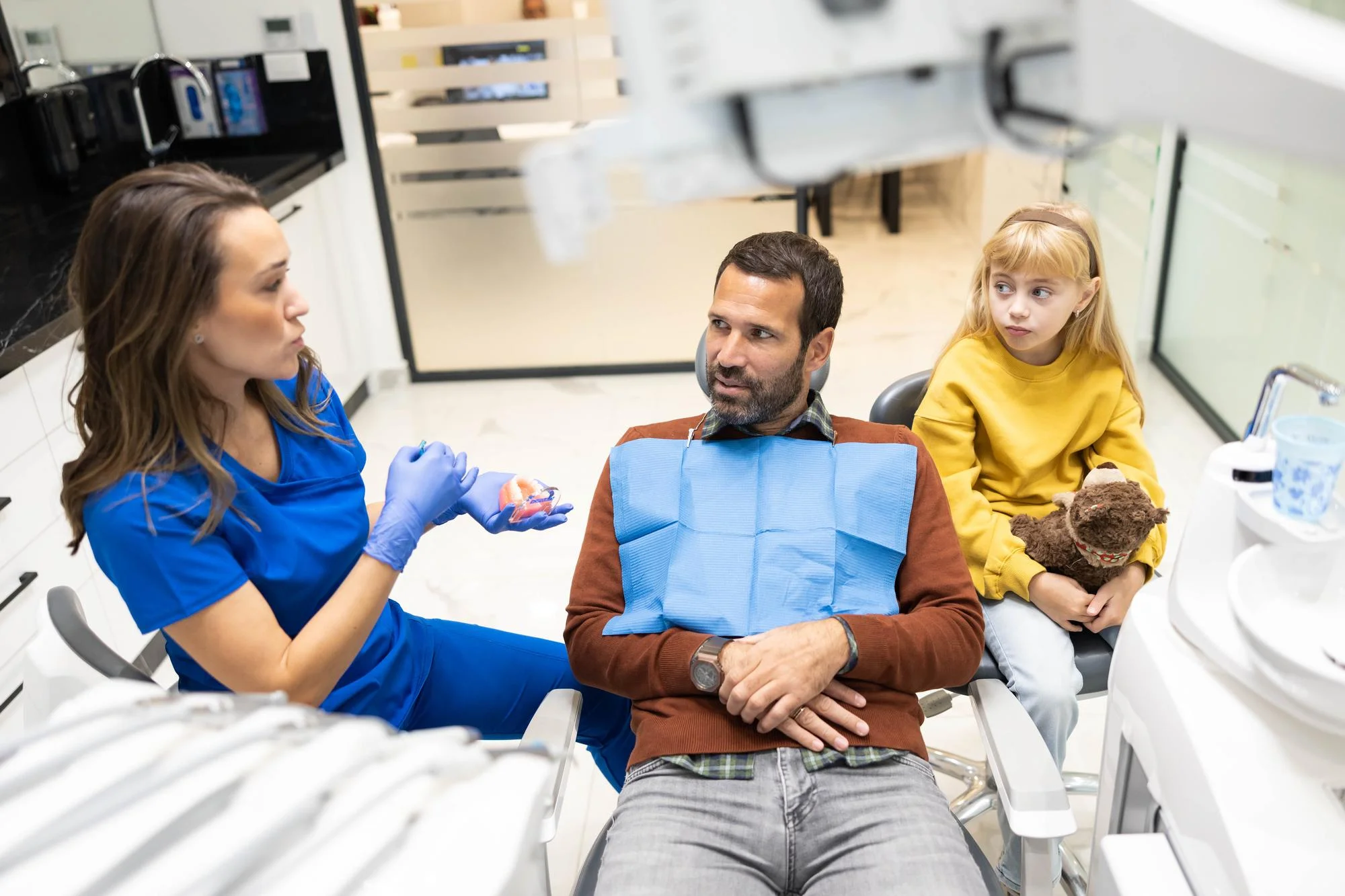
Dr. Prabhjot Kaur helps patients understand why a material or treatment may be recommended. She discusses options, answers questions and supports informed decisions.
Visits begin with your concerns and relevant history. We examine the teeth and tissues, discuss findings and available options, then explain whether monitoring, treatment or referral may be needed.
Share
Tell us about previous dental work, material concerns or oral symptoms.
Check
We check teeth, restorations and oral tissues for changes that need attention.
Compare
Review the benefits and limits of materials suited to the affected tooth.
Next
Decide whether monitoring, repair or treatment is supported by the findings.
Maintain
Recheck treated areas and discuss changes that may need further attention.
Questions about dental materials and holistic care deserve clear, evidence-based answers. These FAQs offer general information; an examination is necessary for personal advice.
Do all existing silver amalgam fillings need removal?
No. Sound amalgam fillings generally should not be removed solely due to mercury concerns. Removal can take away healthy tooth structure and briefly raise exposure. Your dentist can check for damage, decay or other reasons before recommending treatment.
No. Saliva tests may measure oral microbes or other markers, but cannot diagnose gum disease by themselves. A dentist examines gum tissues and checks clinical signs. A test is useful only if its findings could add relevant information to the assessment.
Holistic dentistry considers health history and habits alongside oral findings, but cannot diagnose or treat unrelated systemic conditions. We explain the limits of dental tests and treatments. Medical symptoms should be assessed by a suitable healthcare professional.