
A dental exam helps you understand the health of your teeth, gums and surrounding tissue. At our Terwillegar dental practice, we listen to your concerns, check for changes in your oral health and explain what we find. You’ll receive clear information to help you decide what care, if any, may be needed.
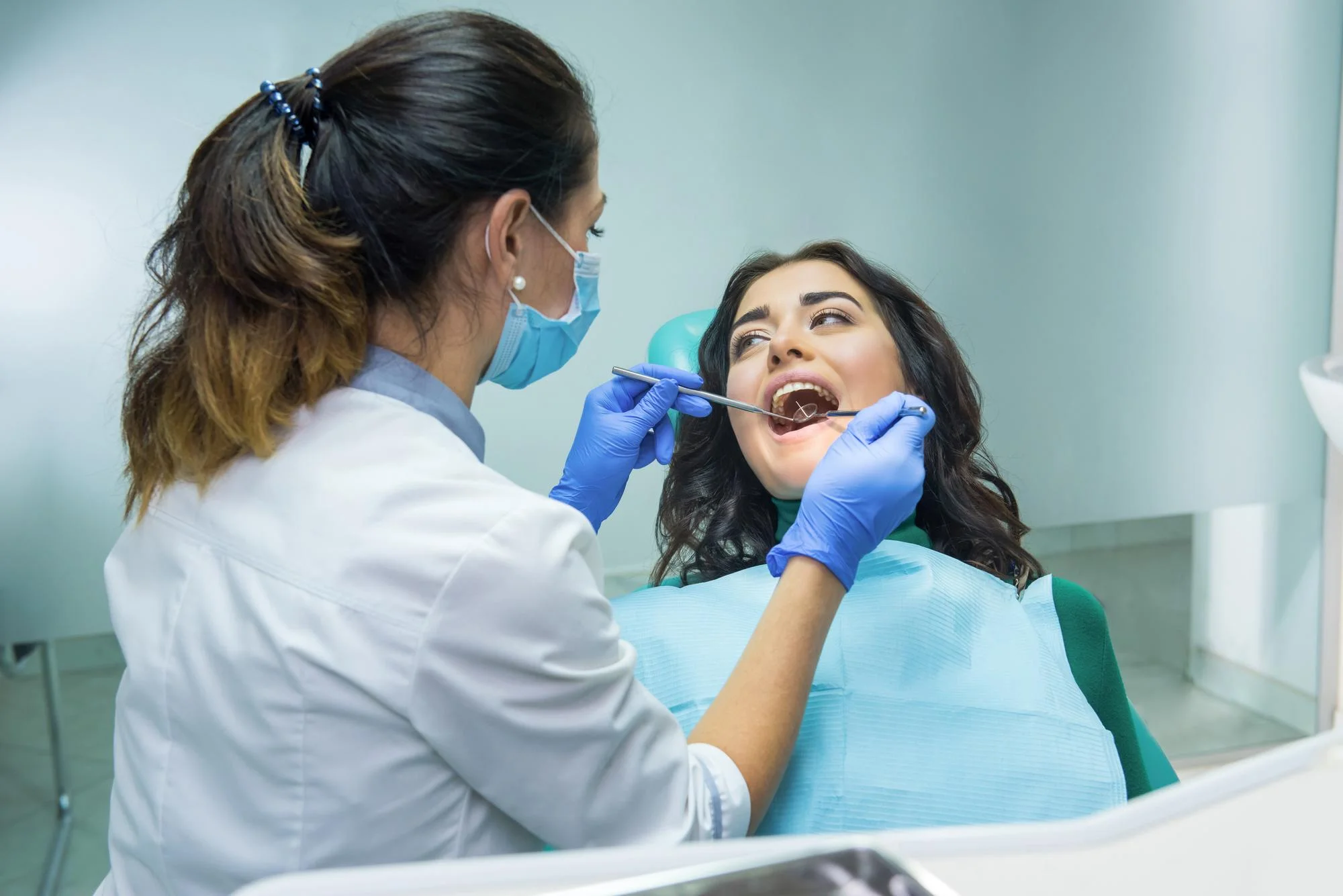


A dental exam helps identify tooth decay, gum disease and damaged restorations. Your dentist may also assess your bite, jaw movement and oral tissues while reviewing your medical history.
Discuss your dental history, current symptoms and changes you've noticed.
Assess teeth, gums, oral tissues and existing dental work for any issues.
Review examination results and discuss recommended care and monitoring.
Dental problems do not always cause pain when they first develop. A routine assessment allows your dentist to check areas that may be difficult to assess at home, identify changes since previous visits and discuss concerns before deciding whether treatment is necessary.
Examine tooth surfaces and existing fillings for cavities, damage, or other changes that may require attention.
Check for gum inflammation, bleeding, recession and other signs which may indicate periodontal health concerns.
Review the tongue, cheeks, gums and other oral tissues for unusual changes that may need further dental review.
Assess crowns, fillings, bridges and other restorations for wear, damage or changes in the condition.

A dental exam depends on your health history, symptoms and findings. Your dentist explains which checks are needed.
A dental exam starts with your concerns, followed by an assessment of your oral health. We explain what we check and discuss our findings before recommending further care.
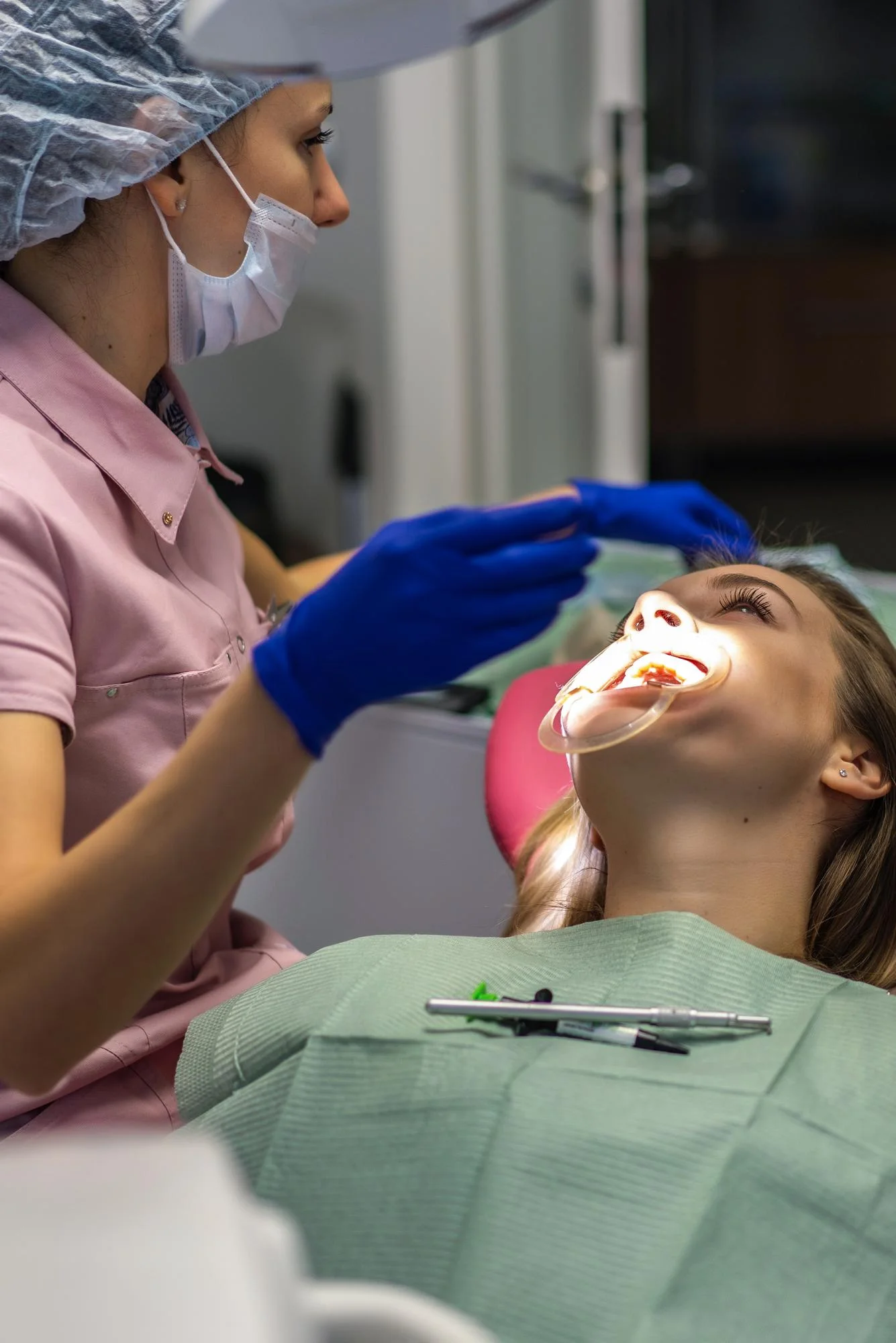
Review prior dental treatments, medications, symptoms, and changes in your general health.
Check teeth, gums, oral tissues and existing restorations, with X-rays also considered if necessary.
Explain any signs of decay, gum concerns, damaged dental work or areas that may require close monitoring or attention.
Review treatment options, preventive recommendations or future dental examinations based on the findings and oral health needs.
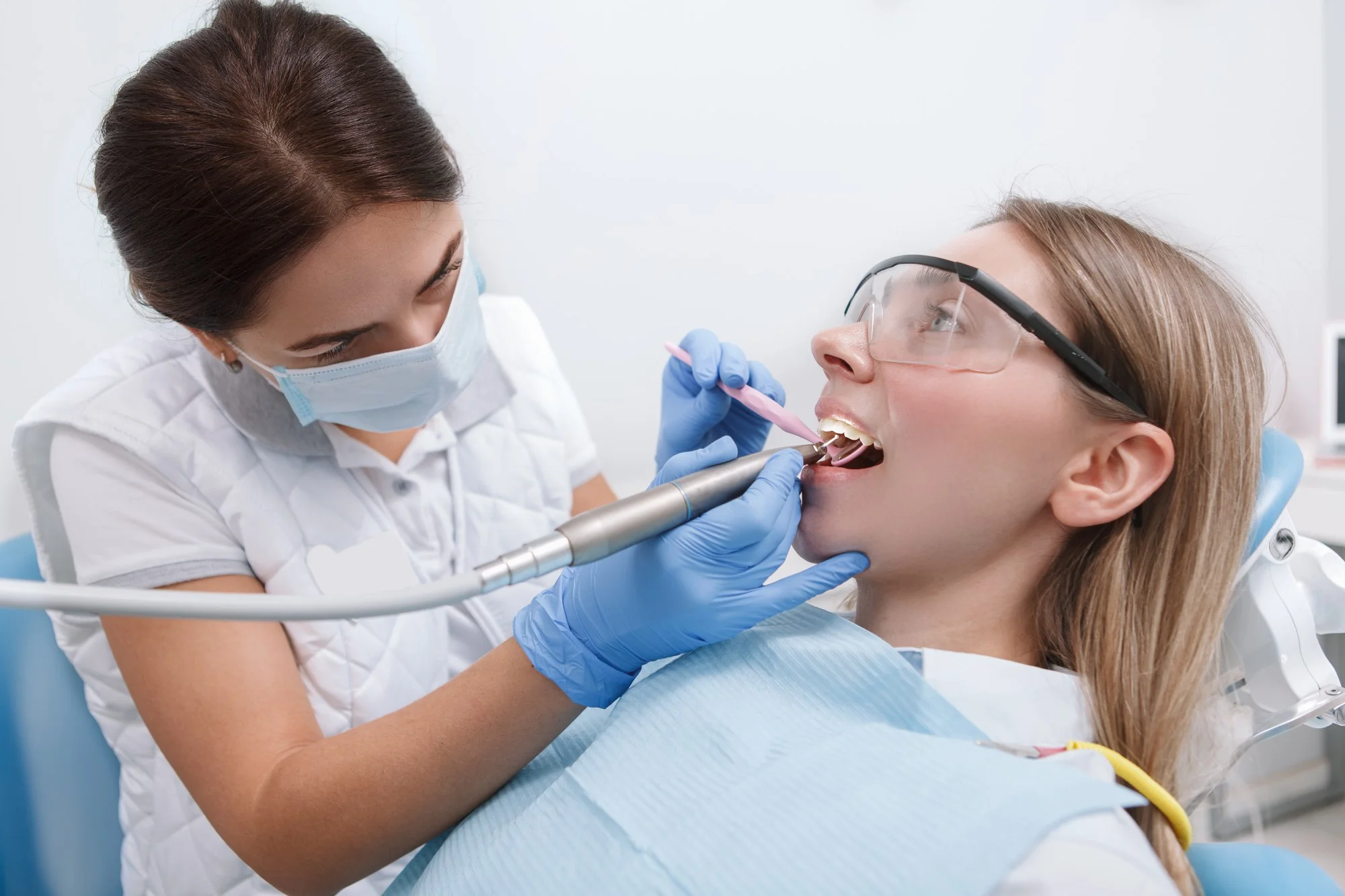
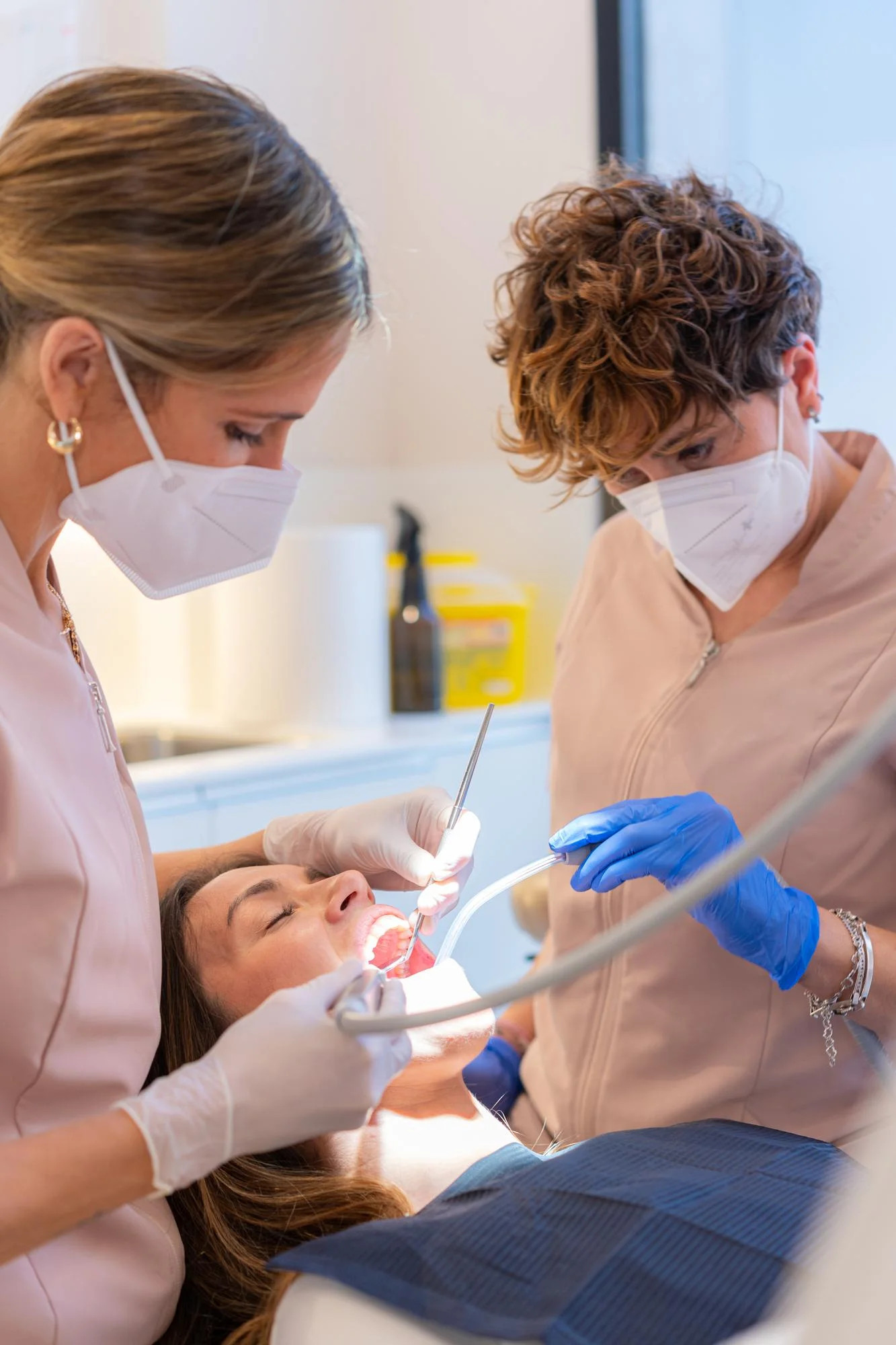
Many patients attend dental exams regularly but the appropriate frequency varies. Your dentist considers your cavity history, gum health, existing dental work and overall health when recommending your next appointment.
Past cavities, new areas of decay or other risk factors may influence how often examinations are recommended
A history of gum disease, inflammation or bleeding may call for close monitoring and an assessment.
Crowns, fillings, implants and other dental work may need regular checks.
Certain medications, dry mouth, tobacco use and medical conditions may affect oral health needs.
People should understand what their dental examination involves and what the findings mean. We consider your history, questions and concerns before discussing treatment or future appointments.
Tell us about tooth sensitivity, discomfort, gum changes or signs you have noticed.

Understand the areas being assessed and why clear information may be needed.

Review possible treatment approaches when an examination identifies a concern requiring attention.

Leave your appointment with a clearer understanding of your findings, dental care options and recommended next step.
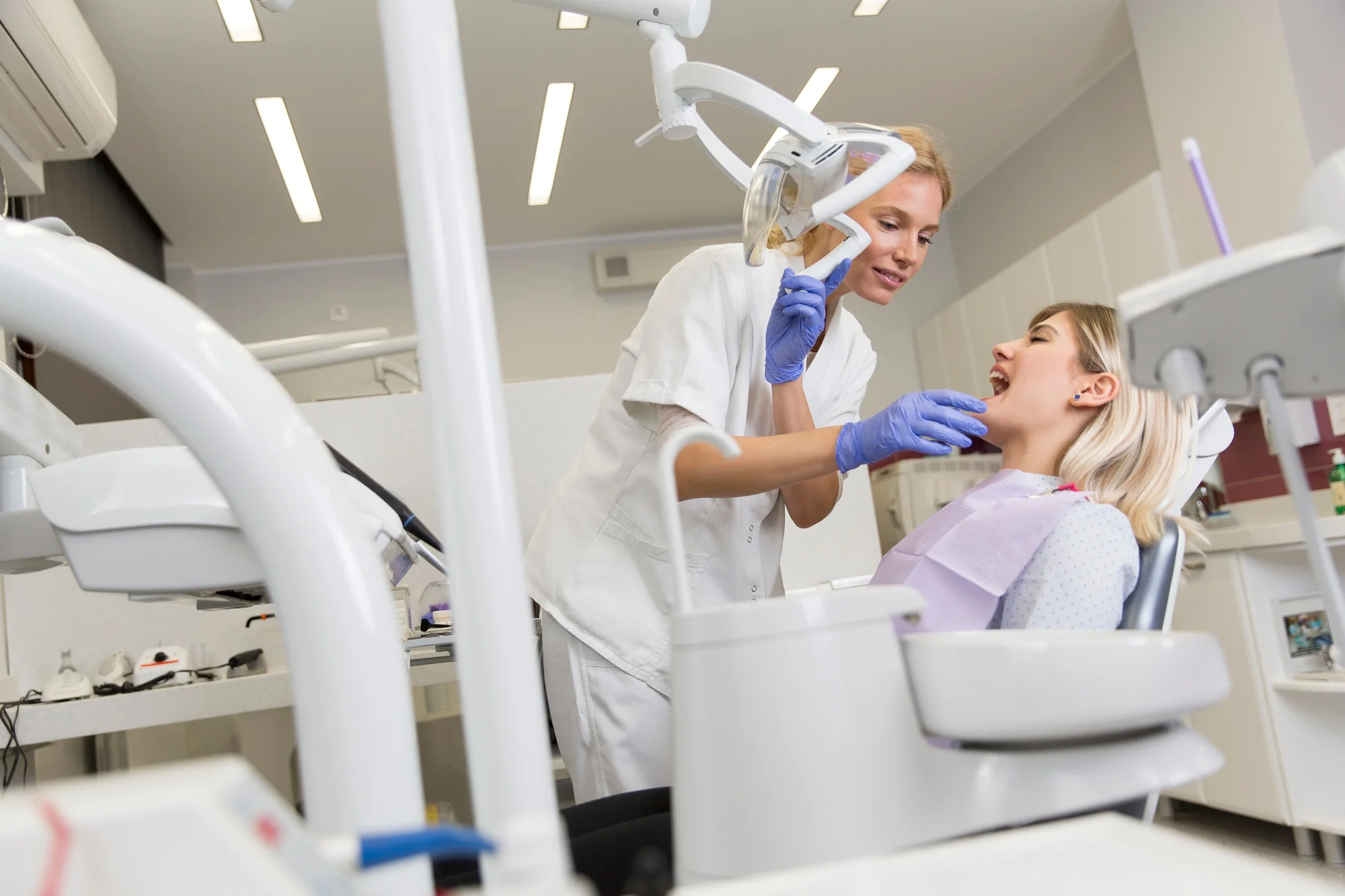
Dental appointments can raise questions, particularly if you have not visited a dentist recently. These answers explain just what to expect and when extra assessment may be necessary.
Not necessarily. Dental X-rays depend on your oral health history, symptoms, age and exam findings. They can identify concerns not visible during an examination, including decay between teeth or changes beneath the gums. Your dentist will explain why X-rays may be useful before proceeding.
You can arrange an exam if it has been years since your last visit. Your dentist will review your history, discuss concerns and assess your oral health. If treatment is advised, you can ask about the findings, options and what should be addressed first.