
The grooves on back teeth can hold food and plaque, even with regular brushing. Dental sealants form a thin protective barrier over these areas to help reduce tooth decay. At our Terwillegar practice, we assess your molars, explain whether sealants may help and discuss their place in ongoing oral care.

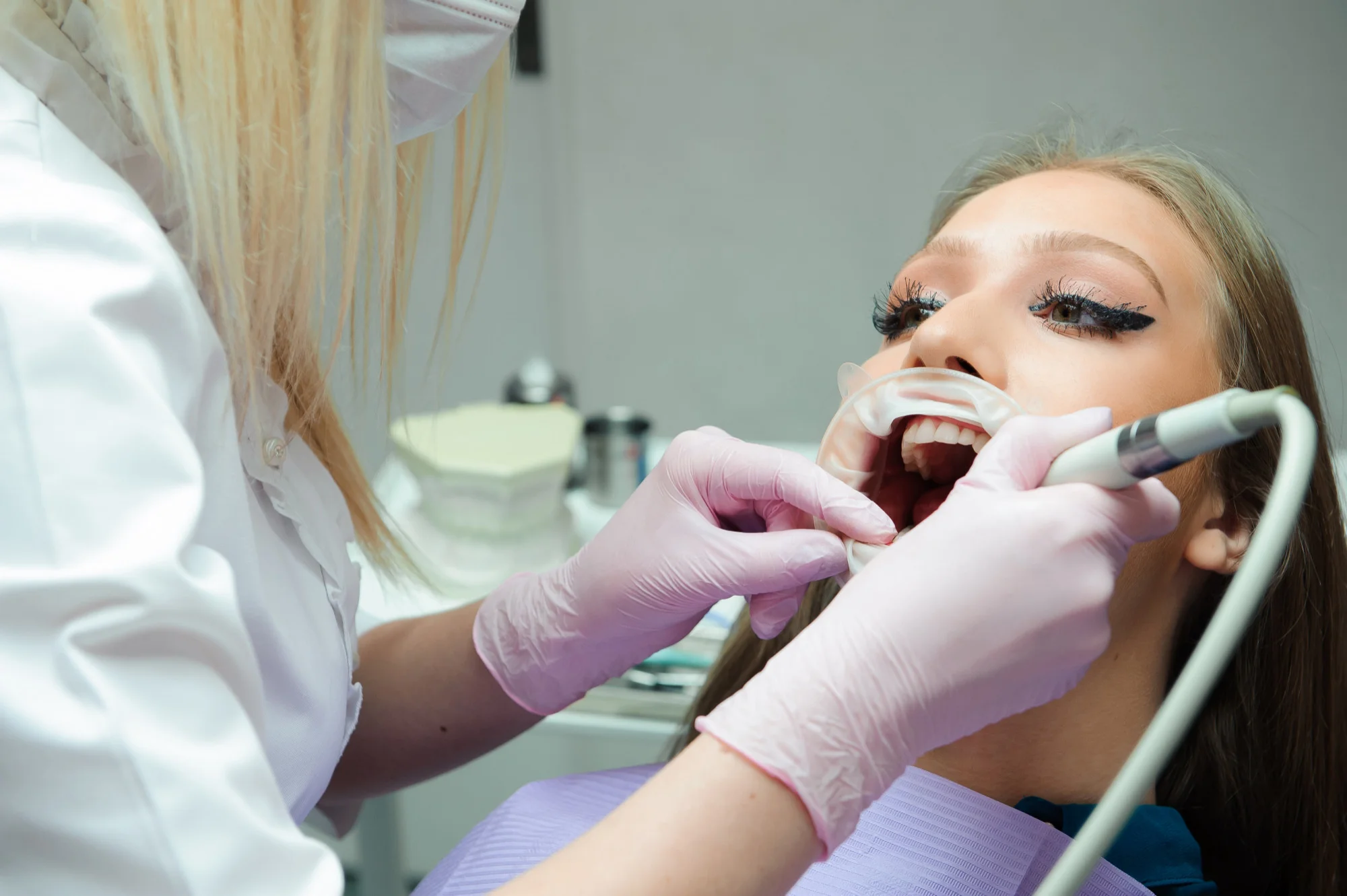

Dental sealants are thin protective coatings on back teeth. They cover pits and grooves that hold plaque to help protect enamel. Your dentist checks tooth condition and cavity risk first.
Examine biting surfaces to find grooves that may benefit from sealants.
Apply a thin coating that forms a barrier over narrow grooves and pits.
Check sealants during dental visits for wear or places needing repairs.
Back molars have deep, narrow grooves where food and plaque can collect easily. Toothbrush bristles may not reach every area. Sealants cover suitable pits and grooves to help lower cavity risk, while brushing, flossing and routine dental checkups remain important for oral health.
Sealants help protect vulnerable chewing surfaces by limiting contact with plaque, food particles or bacteria.
Cover narrow pits and fissures on suitable teeth where brushing may not remove trapped food or plaque from each groove.
Sealant can help prevent decay on vulnerable surfaces without any drilling or removing healthy tooth enamel.
Sealants may be recommended as permanent molars emerge, based on the cavity risk and tooth condition.

Sealants may suit children, teens or adults. The dentist checks tooth development, groove depth, decay and history.
Sealant placement often does not require drilling on an intact tooth. Your dentist cleans and dries the tooth, applies the new coating and carefully checks if the finished sealant fits well.

Check chewing surfaces for decay, restorations and areas where sealants might be suitable.
Clean and dry each tooth, then prepare the enamel to help the sealant bond securely to the tooth surface.
Place sealant material into tooth grooves and let it cure, often using a curing light, so the coating forms a barrier.
Check the coating and your bite to confirm that the sealant is properly placed and does not interfere with how your teeth meet.
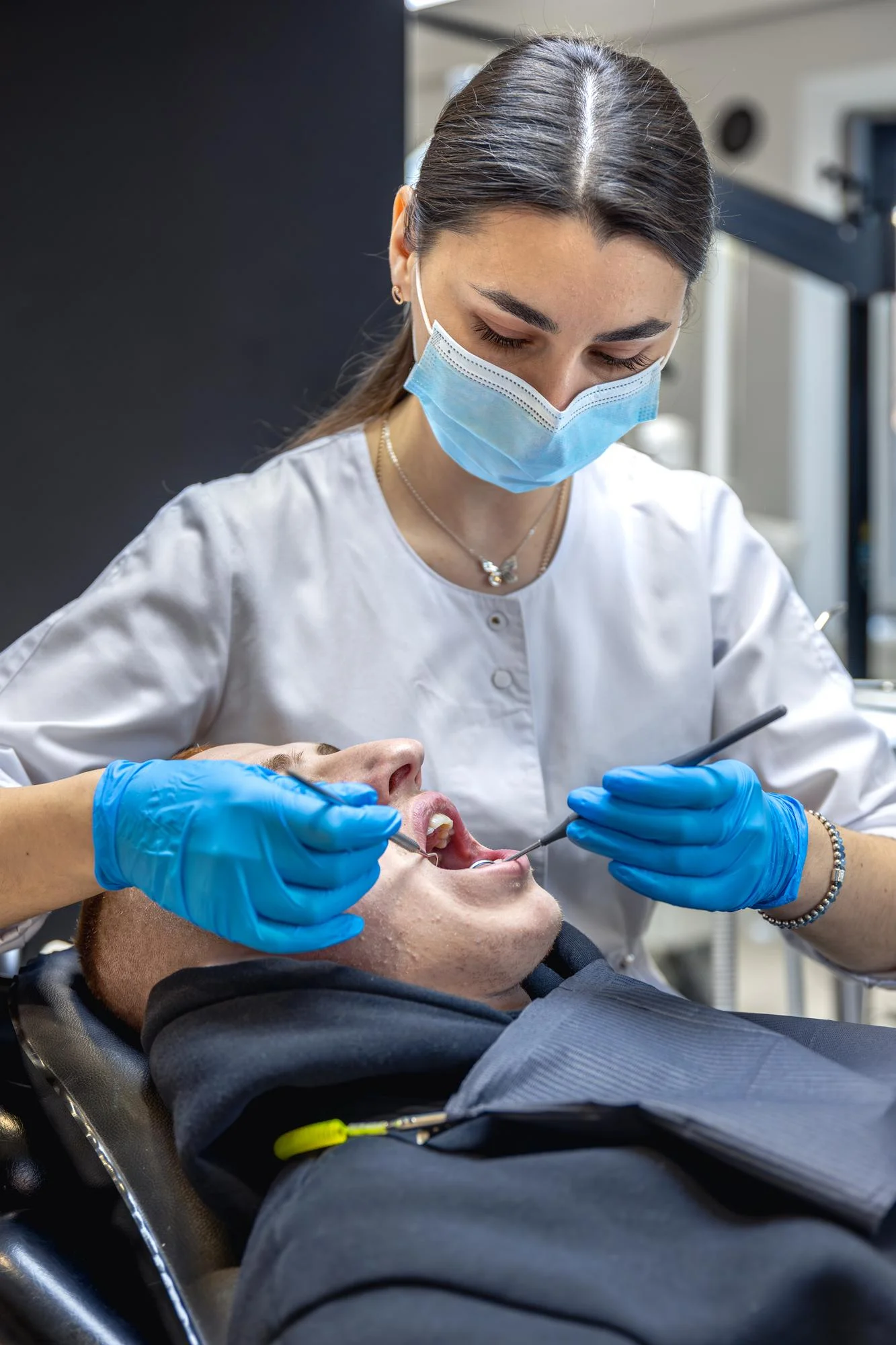

Sealants are often considered as molars emerge, but age does not determine whether treatment is needed. Tooth anatomy, past cavities and examination findings help your dentist decide which chewing surfaces may benefit.
Permanent molars may benefit from an early review as their grooves can be difficult to clean as they emerge.
Teeth with narrow or deep grooves may trap plaque and food that daily brushing cannot fully remove.
Prior tooth decay may affect whether other at-risk teeth need protection.
Previously placed sealants should be regularly checked for damage, wear and gaps in the coating.
We assess your molars before suggesting sealants as a preventive option. We identify suitable chewing surfaces, explain how placement works and discuss how sealants fit with daily dental care.
Examine tooth surfaces and cavity risks to decide if sealant placement is suitable.

Learn how sealants protect grooves and why certain teeth might benefit more.

Discuss sealant materials, the application and any questions you have before any treatment begins.
Continue brushing with a fluoride toothpaste, cleaning between teeth and attending regular dental visits as advised.

Patients or parents have questions about sealant placement, how long they last and when they are needed. These answers address common concerns, but an exam is needed for clear advice.
Applying sealants to sound teeth is usually painless and does not require freezing or drilling. The tooth is cleaned, dried and prepared before the coating is placed and hardened. Some children find it hard to keep their mouth open and teeth dry. The dental team can explain what to expect.
Sealants can last several years, depending on material and placement. They may chip, wear or detach over time. Your dentist can check them at regular exams and recommend repair or replacement. Sealants do not replace brushing, flossing or dental visits.