
Severe tooth pain, broken teeth or sudden swelling need attention. At our Terwillegar dental practice, we assess urgent concerns, discuss possible causes and explain treatment options. Contact our team promptly about a dental emergency so we can review appointment availability and advise on next steps.



Emergency dentistry assesses toothaches, broken teeth, lost fillings and possible infections. Treatment depends on symptoms, examination findings and urgency.
Check the affected tooth, tissues and symptoms to identify the concern.
Discuss care for pain, infection or damage based on dental findings.
Plan treatment or monitoring after the urgent issue is assessed.
Sudden tooth pain, swelling or injury can signal decay, infection or damage beneath the surface. A prompt dental exam helps identify the cause, assess whether treatment is urgent and limit complications. Certain symptoms call for emergency hospital care instead of a dental visit.
Examine teeth and surrounding tissues to investigate severe or persistent dental pain.
Check broken, chipped or displaced teeth to determine whether they can be repaired or require further care.
Evaluate swelling, tenderness and other symptoms that may indicate an abscess or dental infection.
Discuss immediate care and any additional procedures needed to manage the underlying dental problem.

Dental emergencies may cause pain, injuries or failed fillings. We assess the area and discuss treatment.
An urgent visit reviews your symptoms and examines the affected area. Treatment depends on the cause and severity of the problem. Some cases may need additional care or a referral.

Explain when the problem started, the level of pain and any swelling, bleeding or dental injury.
Assess the teeth, gums and surrounding tissues, with dental X-rays considered as needed to understand the cause of pain.
Discuss examination findings and appropriate treatment or referral options based on your condition, symptoms, and needs.
Receive aftercare instructions and recommendations for follow-up treatment or monitoring when needed.

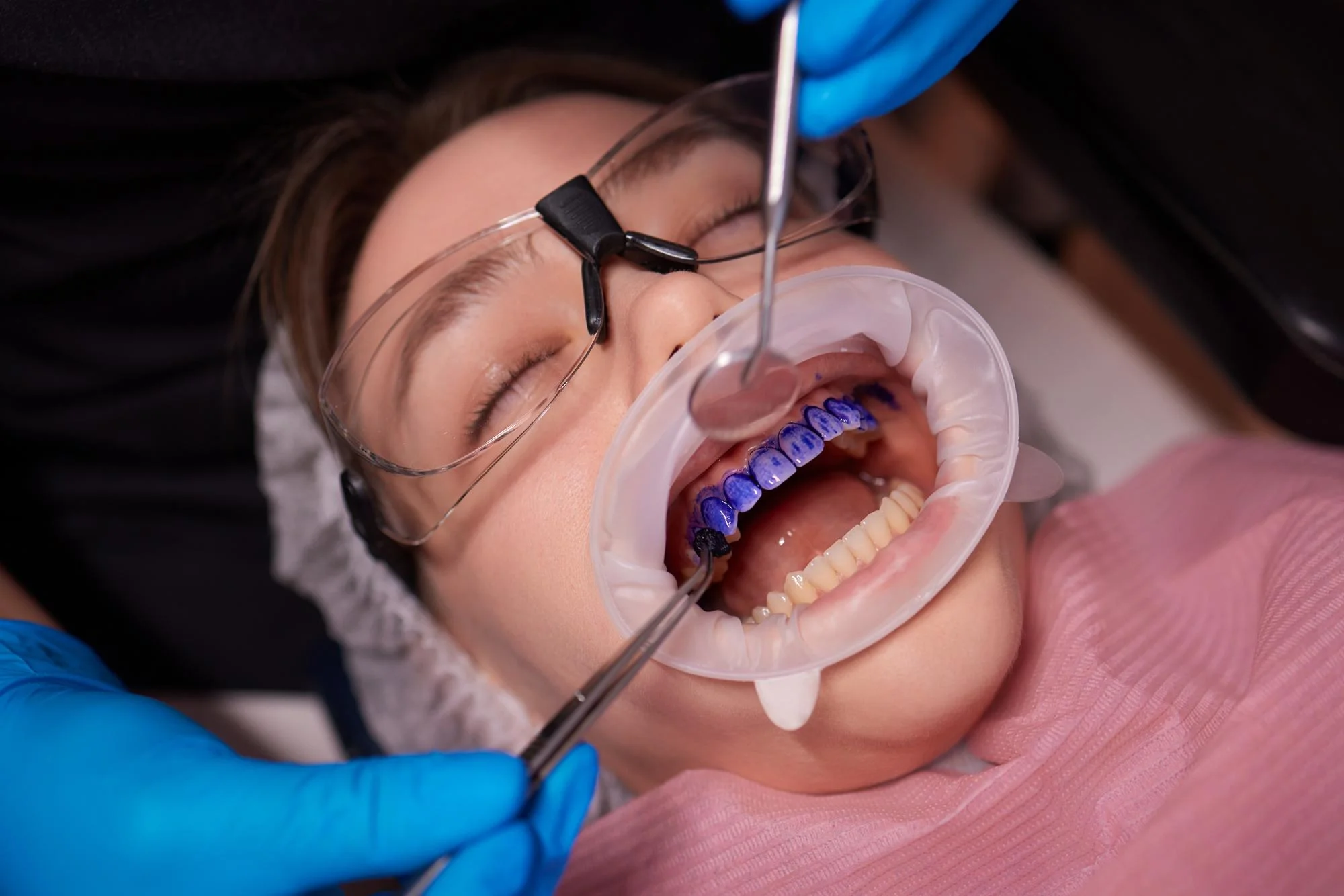
Severe pain, broken teeth or suspected infection needs prompt dental care. Trouble breathing or swallowing, uncontrolled bleeding or rapidly increasing facial swelling requires immediate emergency medical care.
Severe or ongoing tooth pain, especially with fever or swelling, needs prompt dental assessment.
Broken or displaced teeth need prompt care. A knocked-out adult tooth needs immediate attention.
Gum or facial swelling and a suspected abscess need urgent assessment.
Lost fillings or broken crowns can expose sensitive areas of a tooth, causing pain when chewing.
Unexpected dental problems cause pain and uncertainty. We review symptoms, examine the area and explain treatment choices, including when further dental or medical care is needed.
Tell us about pain, symptoms and changes since the problem started.

Identify the likely cause before discussing treatment options.
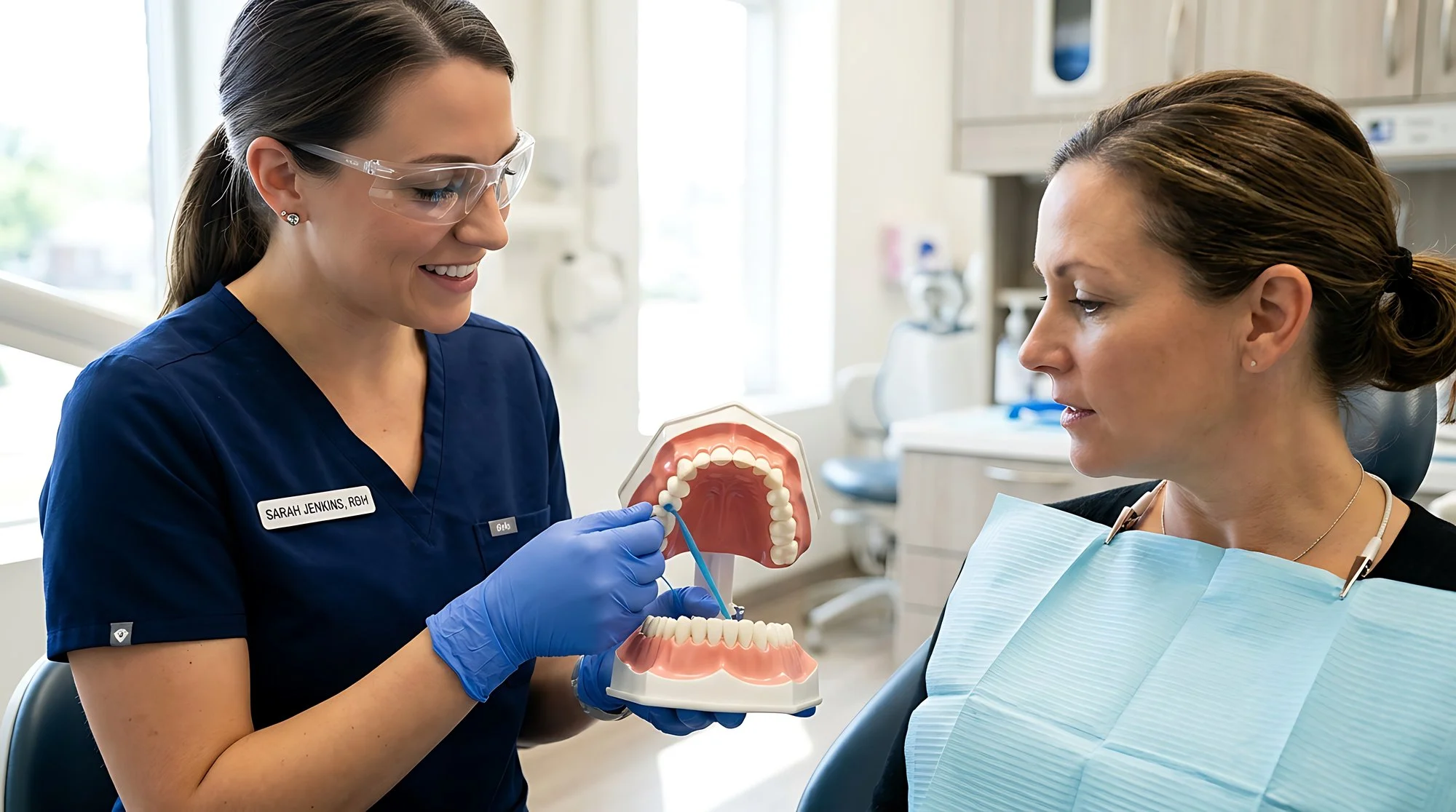
Understand the purpose, limitations and possible alternatives of recommended emergency treatment.

Receive guidance about aftercare, planned follow-up visits and symptoms that should not be ignored after treatment.

Dental emergencies raise questions about first steps and when to seek immediate help. These answers offer general guidance and do not replace individual dental or medical assessment.
A knocked-out permanent tooth needs immediate care. Hold the crown, not the root. Rinse gently if dirty; do not scrub. Reinsert it only if safe, without force. Otherwise, store it in cold milk and seek care at once. Never reinsert a baby tooth; this can damage the permanent tooth.
Dental infections can spread. Pain, fever, swelling or an abscess needs prompt care even if pain eases. For trouble breathing or swallowing, spreading facial swelling or uncontrolled bleeding, call 911 or go to an emergency department immediately.