TMJ, Bite & Airway Care for Jaw Health
and Function.
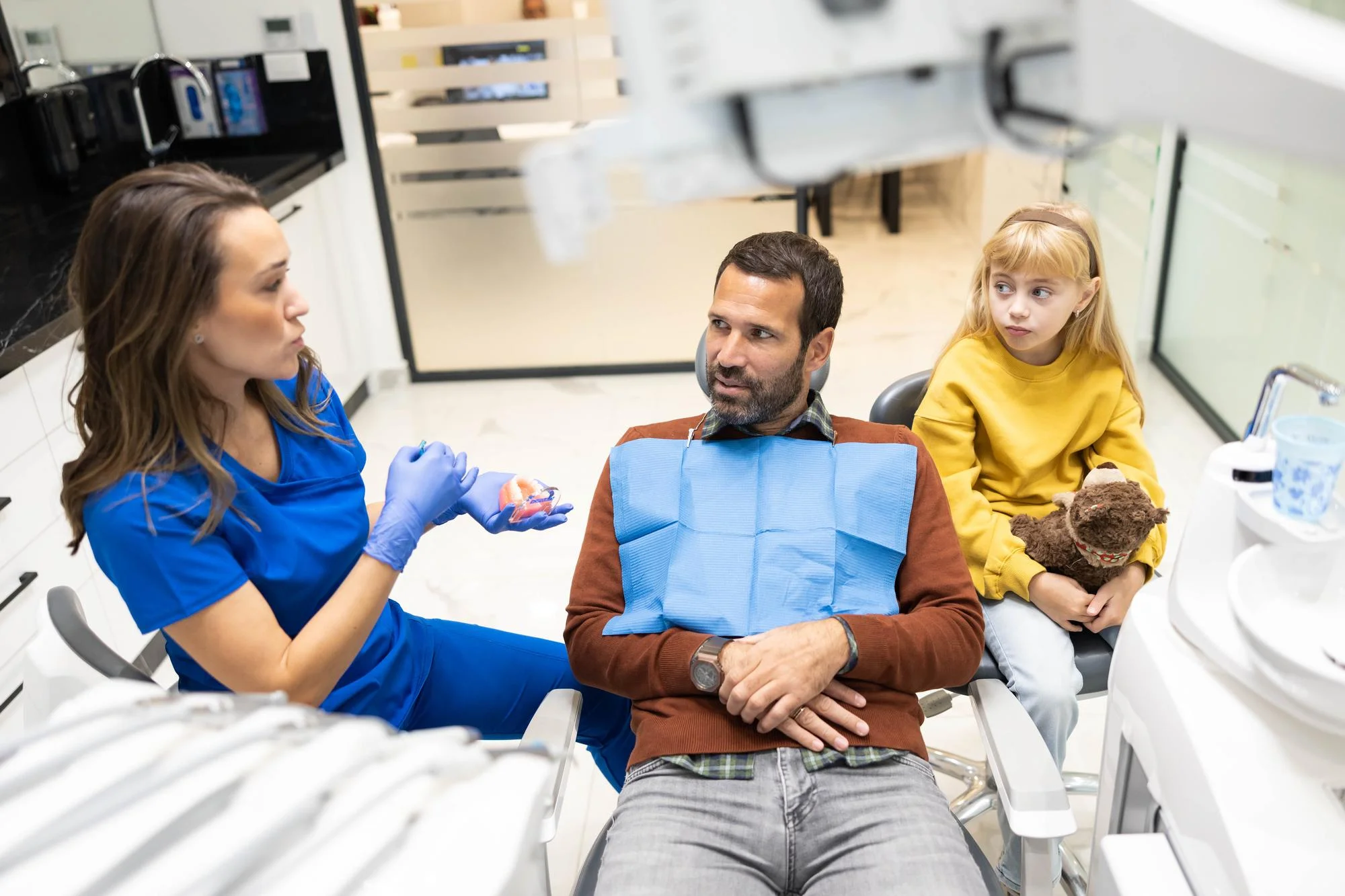
Jaw pain, clenching, tooth wear or sleep-related concerns may affect your daily life. At our Southwest Edmonton practice, we examine your jaw, bite and oral function, explain our findings and discuss suitable care, follow-up options or a referral. A dental screening cannot diagnose a sleep disorder.
Choose care based on your symptoms, dental findings and your
current needs.
Jaw symptoms, tooth wear and breathing concerns can have different causes. A focused examination helps identify the area needing attention and whether dental monitoring, conservative care or medical referral is appropriate.
Review jaw changes
Review changes in jaw movement, pain or tooth wear between visits to identify issues needing careful attention.
Assess wear and bite pressure
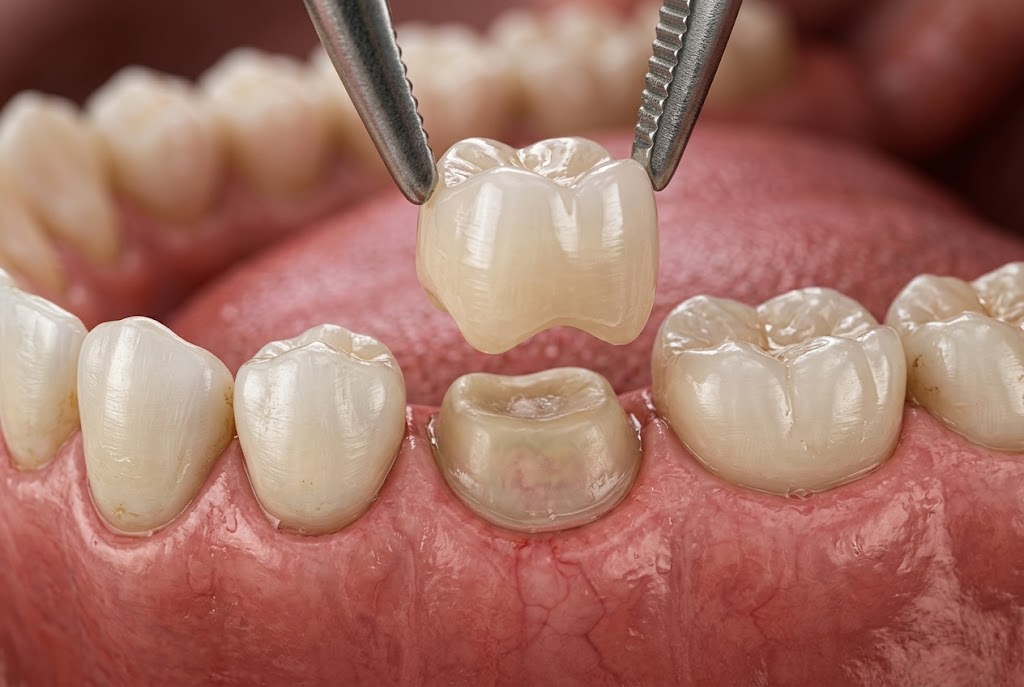
Review how tooth contact and grinding-related wear may affect existing fillings, crowns, and other dental work.
Check jaw findings
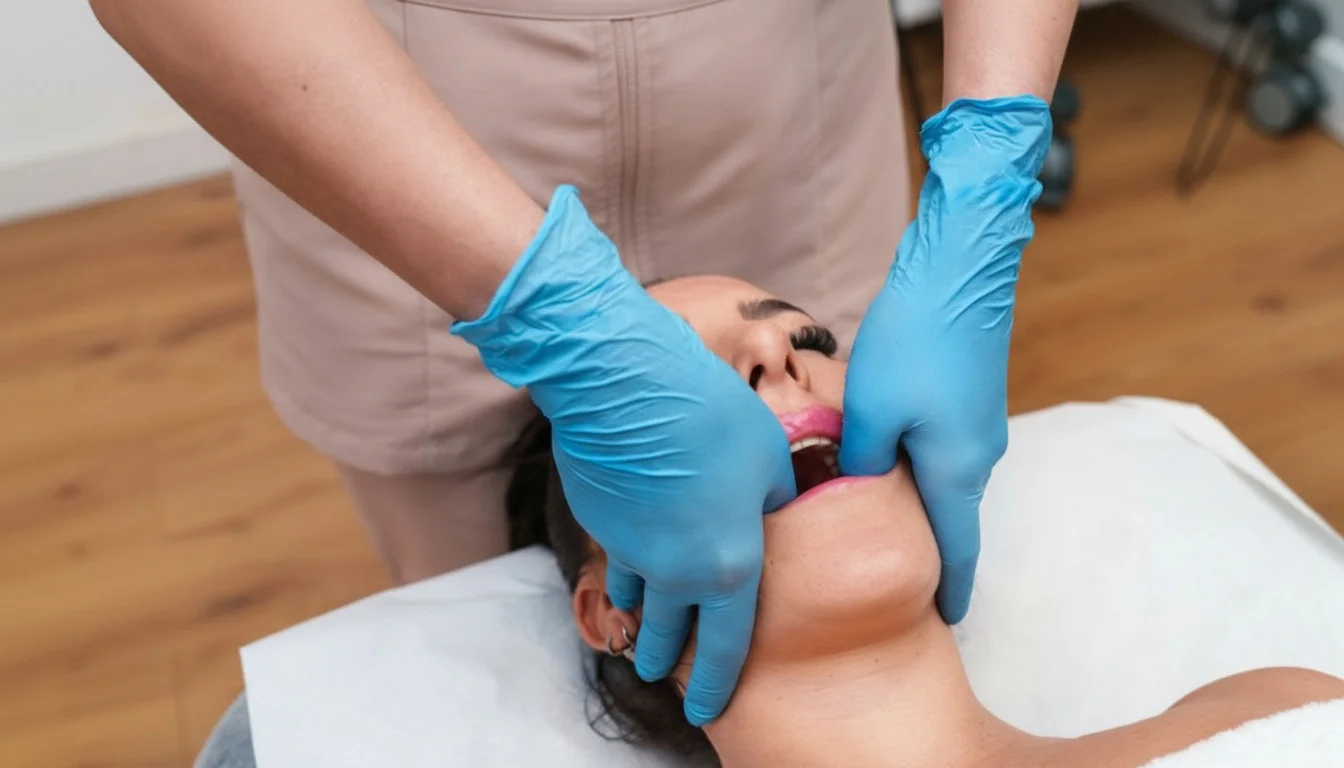
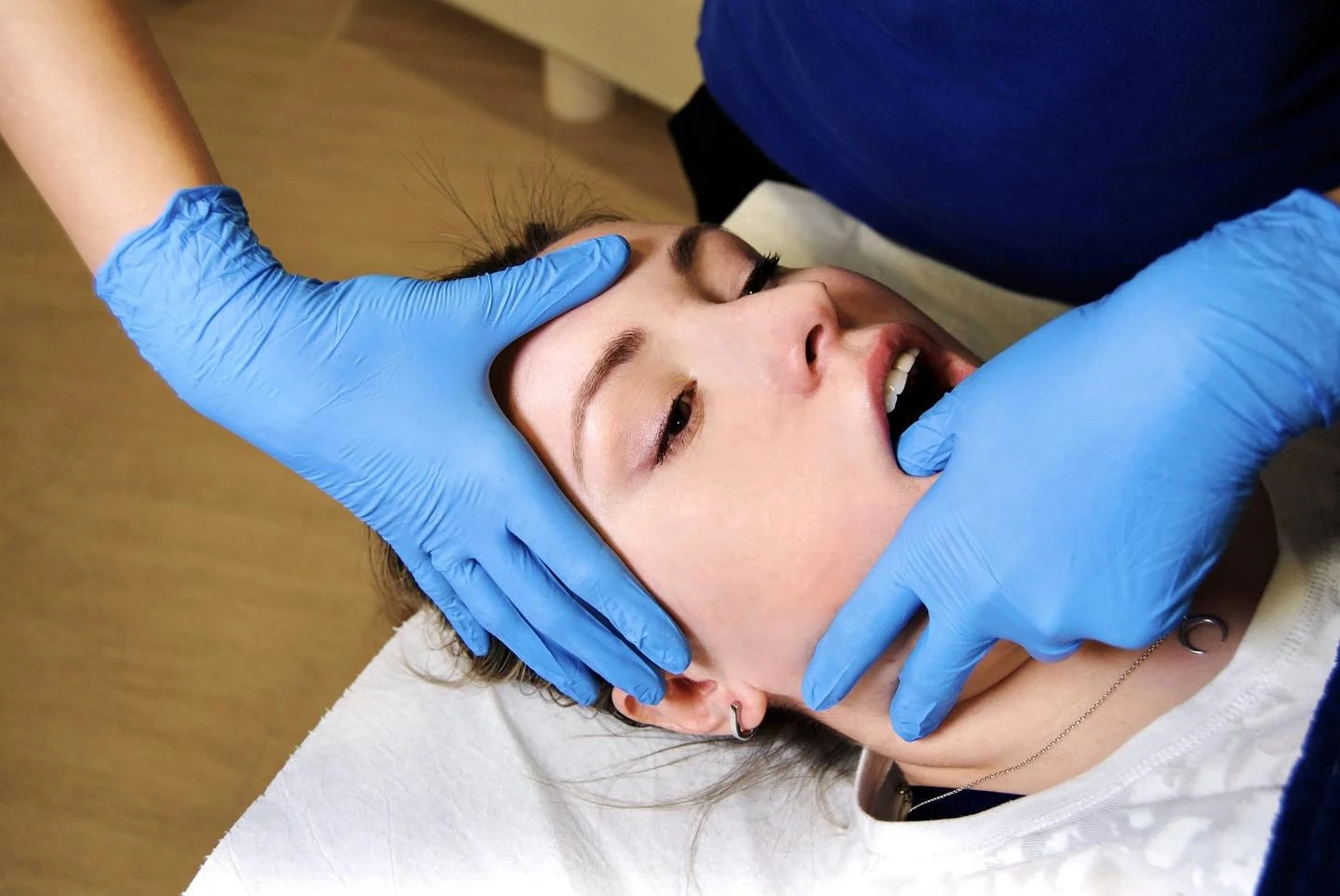
Check jaw tenderness, tooth contacts and daily habits that may contribute to pain, stiffness or other symptoms.
Review progress and next steps
Review your care plan if symptoms change or a dental appliance no longer fits properly and requires adjustment.
Airway and Oral Habits
Discuss snoring, mouth breathing, tongue posture and swallowing patterns and arrange referral when appropriate.
What TMJ and bite care means
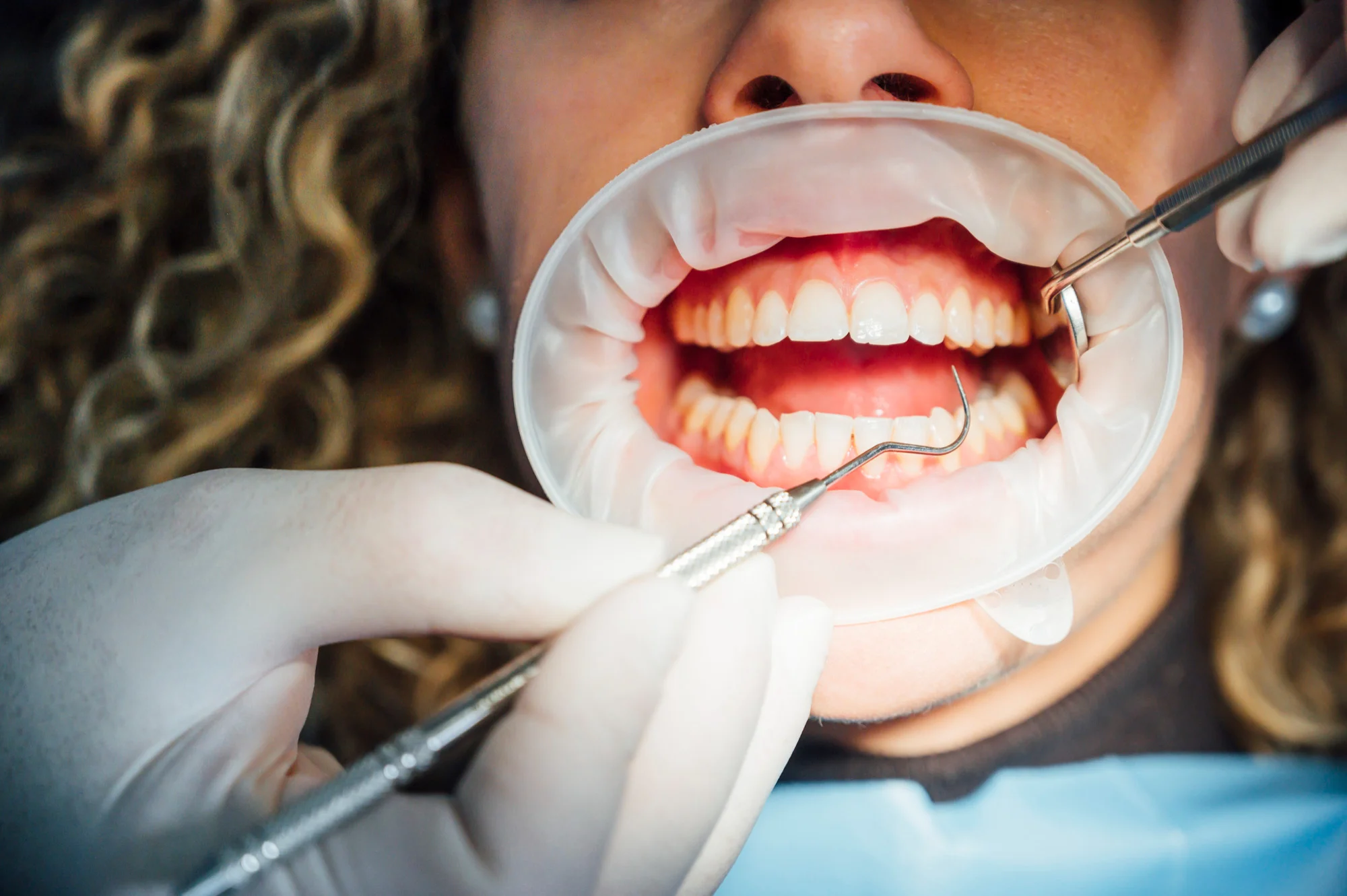
Jaw and bite care begins with a careful assessment of your jaw health.
TMJ, bite and airway-related concerns can overlap, but they are not the same condition. We carefully examine relevant tooth and jaw findings, discuss conservative care options and explain when medical sleep testing or a specialist referral is needed.
Review when pain or clenching occurs and what triggers symptoms.
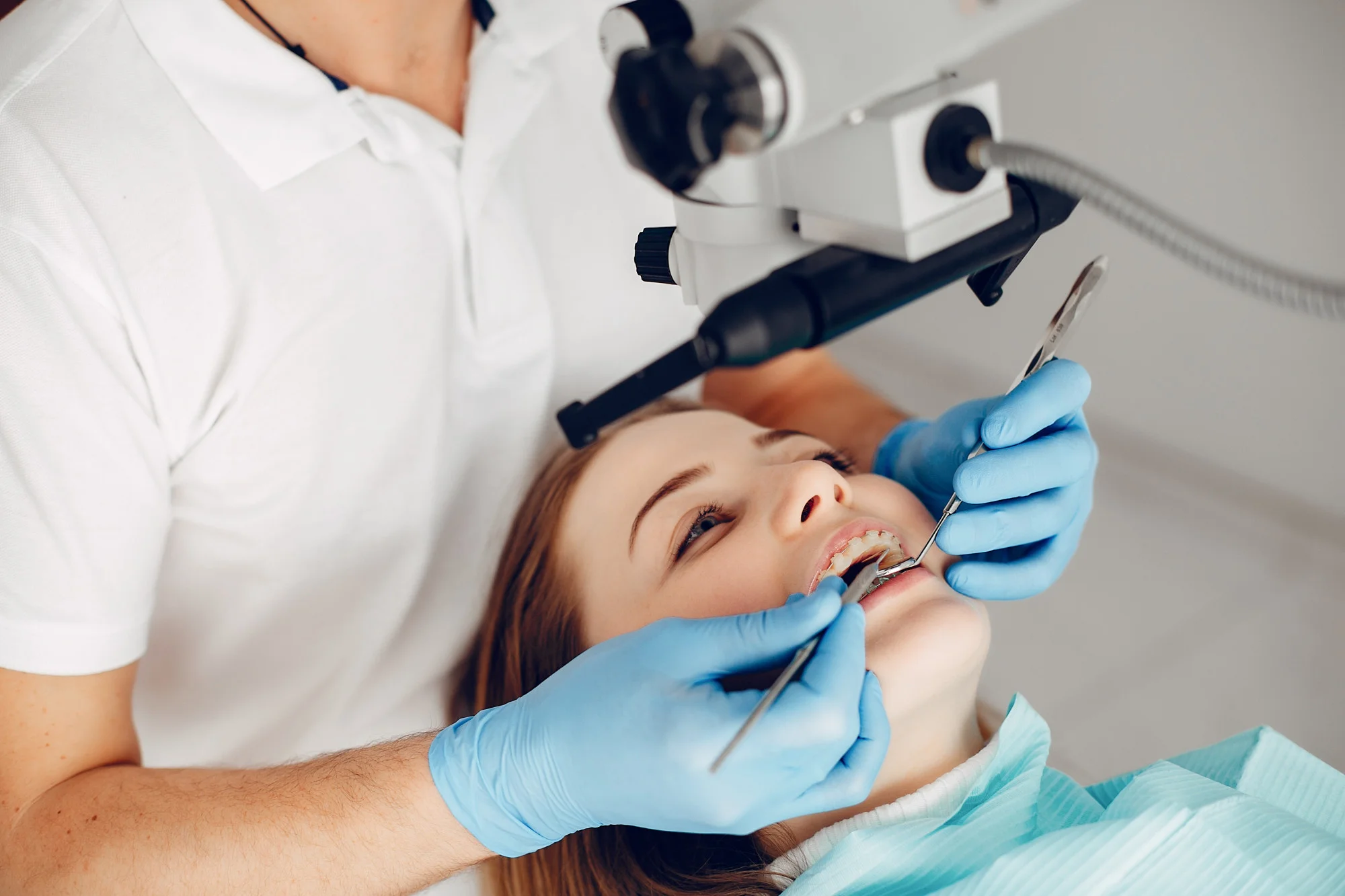
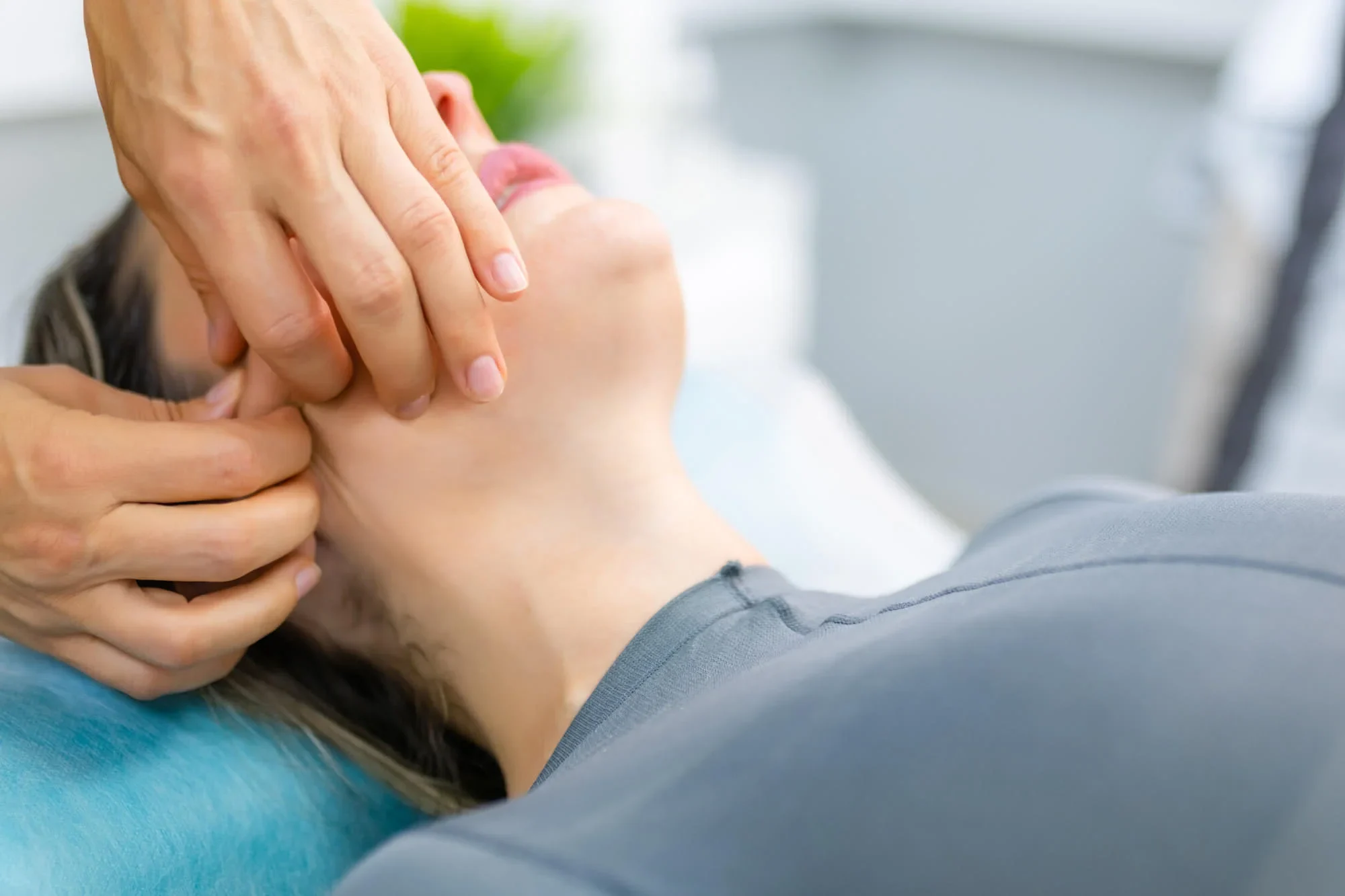
Examine the jaw and bite.
Check movement, muscles and tooth wear before recommending care.
Refer when needed.
Medical sleep concerns require assessment beyond a dental exam.
Understand the symptom pattern.
Review when pain or clenching occurs and what triggers symptoms.
Examine the jaw and bite.
Check movement, muscles and tooth wear before recommending care.
Refer when needed.
Medical sleep concerns require assessment beyond a dental exam.
Bite and tooth care
When tooth contacts need closer review.
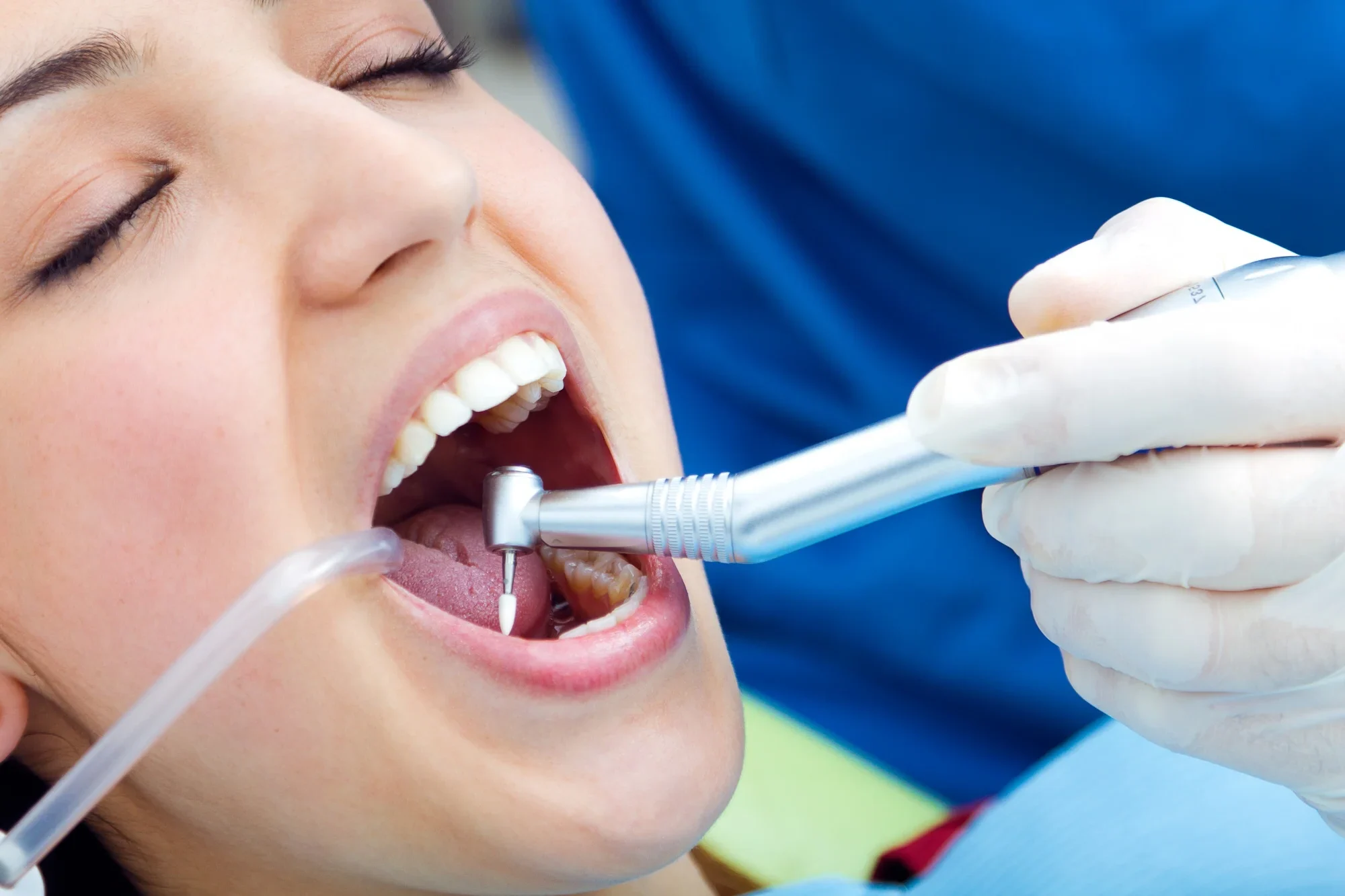
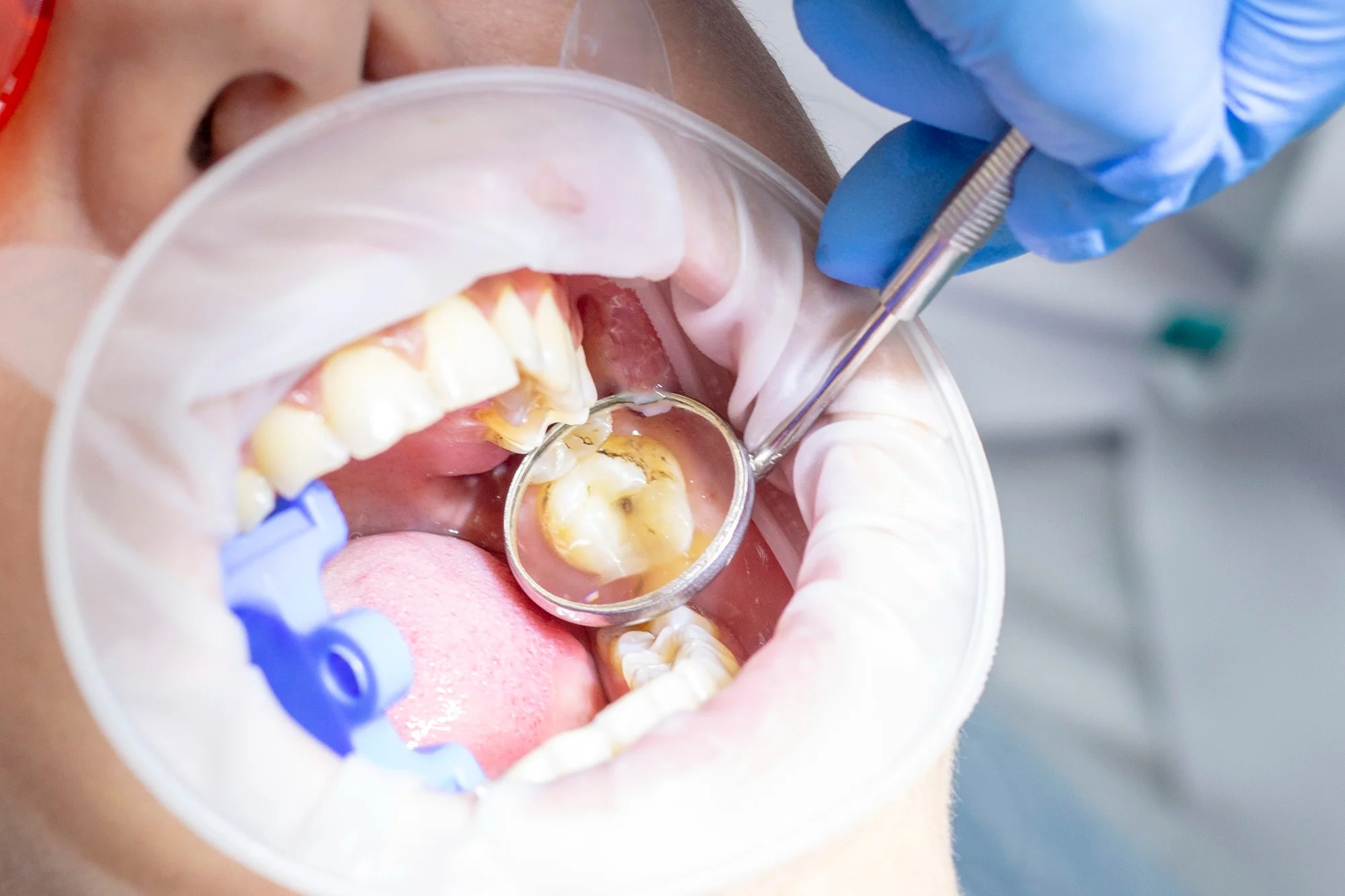
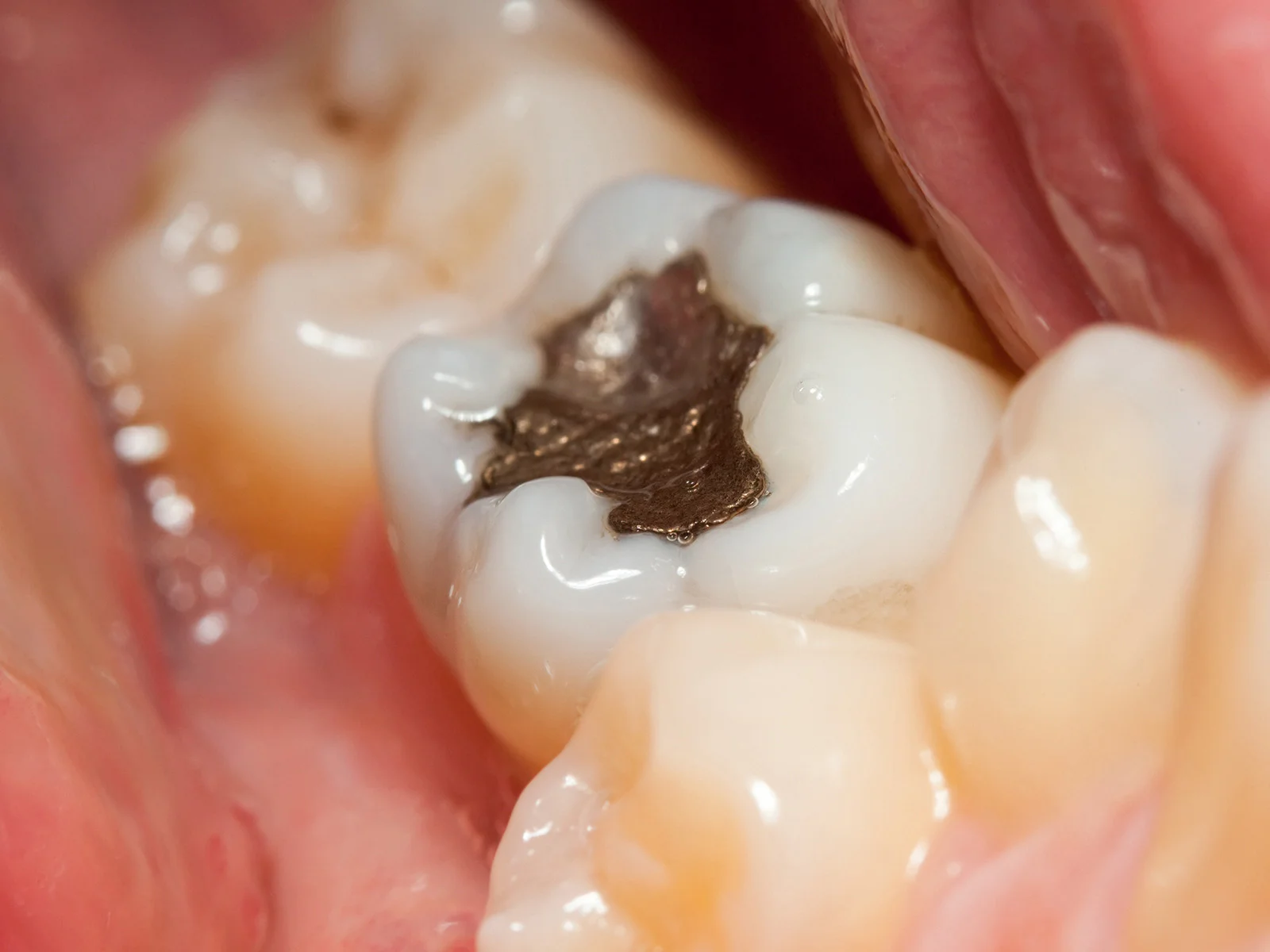
Grinding, heavy tooth contacts and worn restorations may call for a bite assessment. We review damage, jaw symptoms and the condition of existing dental work before discussing monitoring, a night guard or other reversible care.
Bite Assessment
Review tooth contacts, chewing patterns and wear to understand how the bite functions.
Night Guards
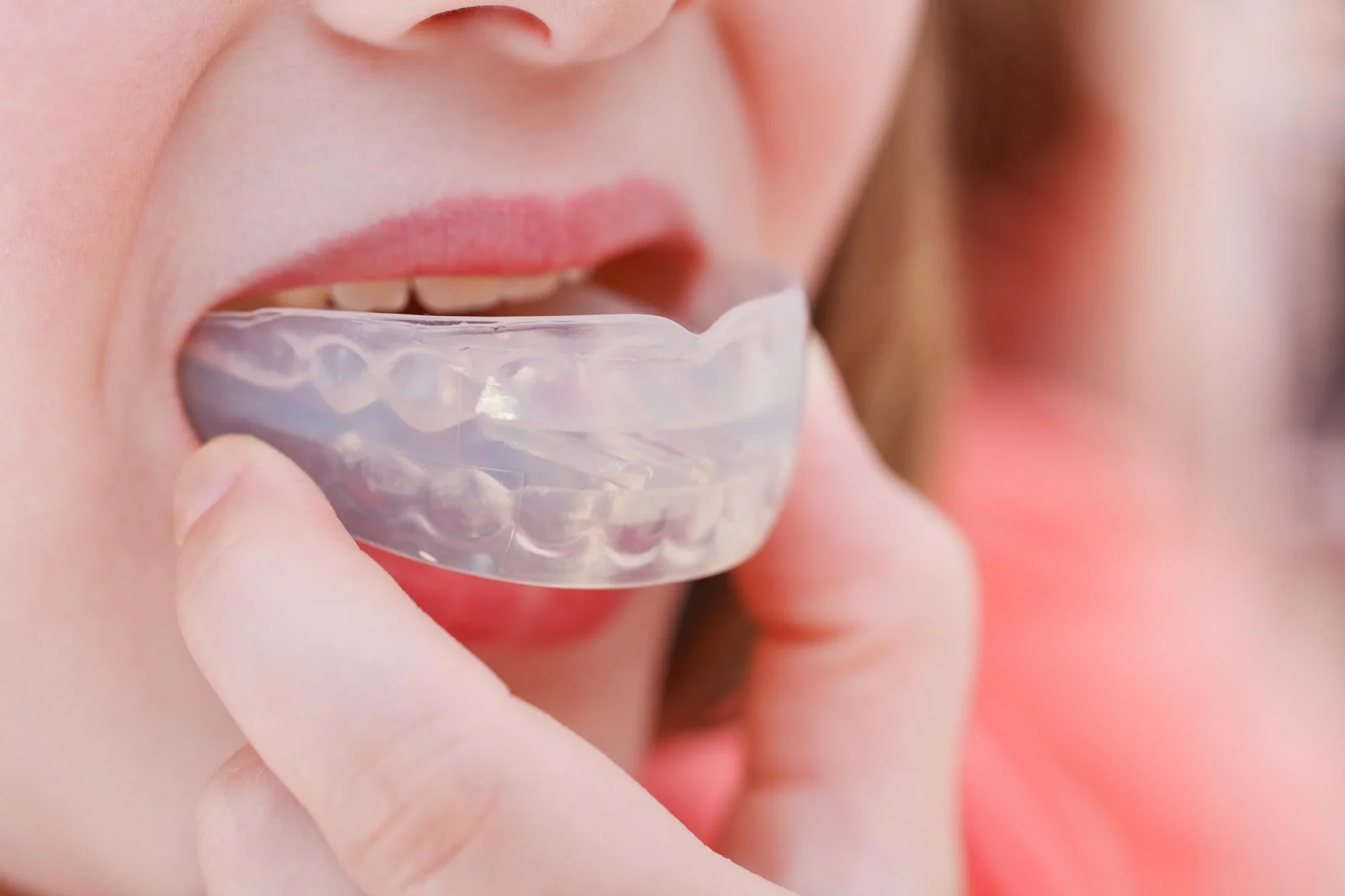
A fitted appliance might limit grinding wear or help with selected jaw concerns.
Bite Assessment
Review tooth contacts, chewing patterns and wear to understand how the bite functions.
Night Guards
A fitted appliance might limit grinding wear or help with selected jaw concerns.
Ask when jaw pain, locking or clenching occurs and how often it happens, along with its impact on daily activities.
02Explain findings
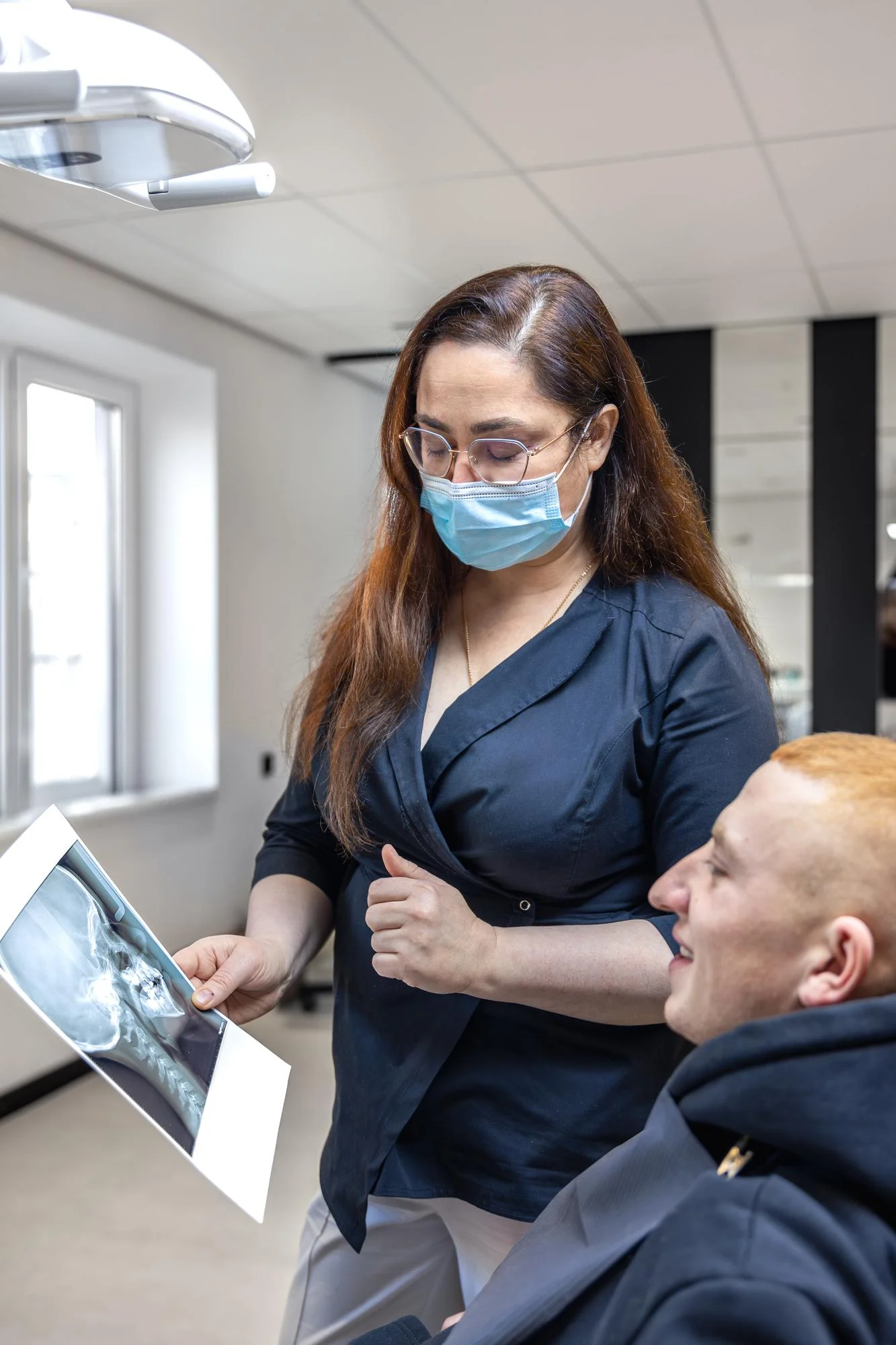
Discuss what an examination reveals and what remains uncertain.
03Reversible care first
Consider monitoring, habit changes or a dental appliance based on symptoms, jaw function, and examination findings.
04Refer when needed
Recommend medical or specialist review when the concern needs further evaluation.
Start with symptoms
Ask when jaw pain, locking or clenching occurs and how often it happens, along with its impact on daily activities.
Explain findings
Discuss what an examination reveals and what remains uncertain.
Reversible care first
Consider monitoring, habit changes or a dental appliance based on symptoms, jaw function, and examination findings.
Refer when needed
Recommend medical or specialist review when the concern needs further evaluation.
Jaw health in a wider context
Consider jaw findings alongside other
health concerns.
Medical history, symptoms, habits and previous dental care help us understand jaw concerns and oral function.
These details guide the examination, care options and whether further assessment or a specialist referral is needed. Dental findings alone cannot explain all sleep-related or medical symptoms.
Symptom History
Tell us when jaw pain or stiffness first appeared, whether it comes and goes, and what has changed over time.
Movement & Meals
Note whether chewing firmer foods, yawning or opening wide changes how your jaw feels or moves.
Guard & Splint Use
Bring any night guard or splint you have worn, especially if it no longer fits or has changed your symptoms.
Daily Impact
Tell us whether jaw symptoms affect eating, speaking or other daily activities, and when they occur.
The person behind your care
Meet Dr. Prabhjot Kaur
Dr. Prabhjot Kaur reviews jaw symptoms and dental findings before discussing conservative care, patient questions and further referral when appropriate.
Conservative, minimally invasive and education-focused
Questions people are asking
Your questions, answered.
Jaw pain, clicking and sleep symptoms raise questions. These answers provide general information; dental and medical assessments may be needed.
Does jaw clicking always need treatment?
Not always. Clicking without pain or difficulty moving the jaw may not need treatment. Pain, locking or limited opening should be assessed. Your dentist can review joint movement and muscles, explain the findings and discuss conservative care if needed.
A night guard may help protect teeth and restorations from wear, but it may not stop grinding itself. Your dentist can assess signs of wear, jaw symptoms and the fit of an appliance before recommending care or follow-up.
No. A dentist may identify oral signs or ask about sleep symptoms, but diagnosing obstructive sleep apnea requires medical assessment. A physician or sleep specialist can determine whether further testing is needed.