Saliva protects teeth and oral tissues. Changes in its flow or makeup may add information during a dental assessment. At our Terwillegar practice, we discuss symptoms and health history before considering saliva testing. We explain what a test measures and review findings alongside your examination.
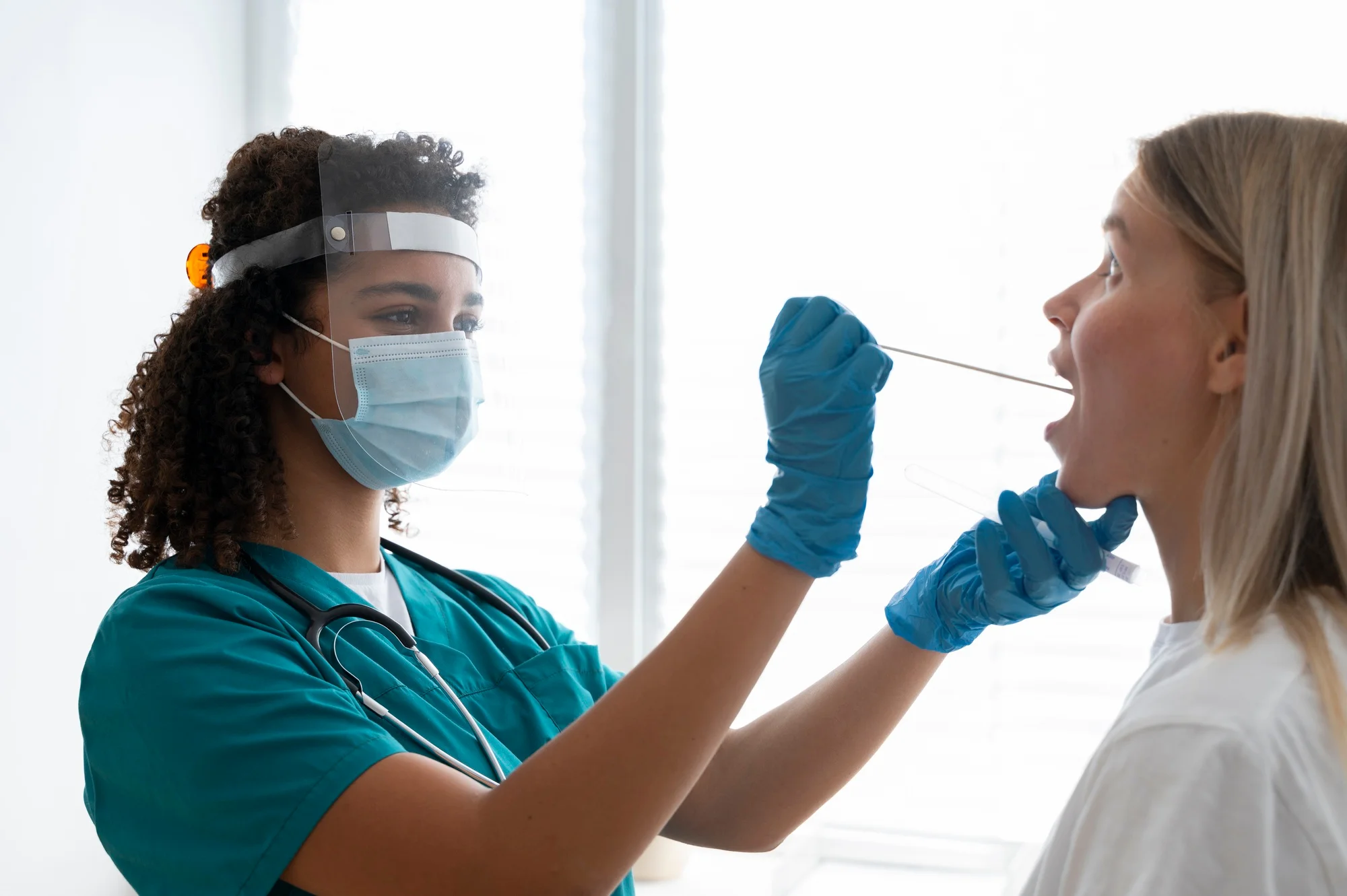


Saliva testing involves collecting oral fluid to measure selected features such as flow or specific markers. The usefulness of a result depends on the test and your dental findings.
Collect saliva using the method appropriate for the selected test.
Review what the test measures and limits on interpreting the result.
Consider whether the findings call for advice, monitoring or more care.
Saliva keeps the mouth moist, helps with swallowing and protects teeth against acids. Low flow can contribute to dry mouth and cavities. Saliva tests may add useful information, but results must be considered alongside symptoms, medical history and a dental examination.
Saliva flow and composition can change with medicines, hydration, health conditions and other factors.
Reduced saliva may make it harder to clear food and neutralize acids, raising concern about tooth decay.
A saliva assessment may add context when symptoms and clinical findings call for more investigation.
We consider results with examination findings, health history and other tests when needed.
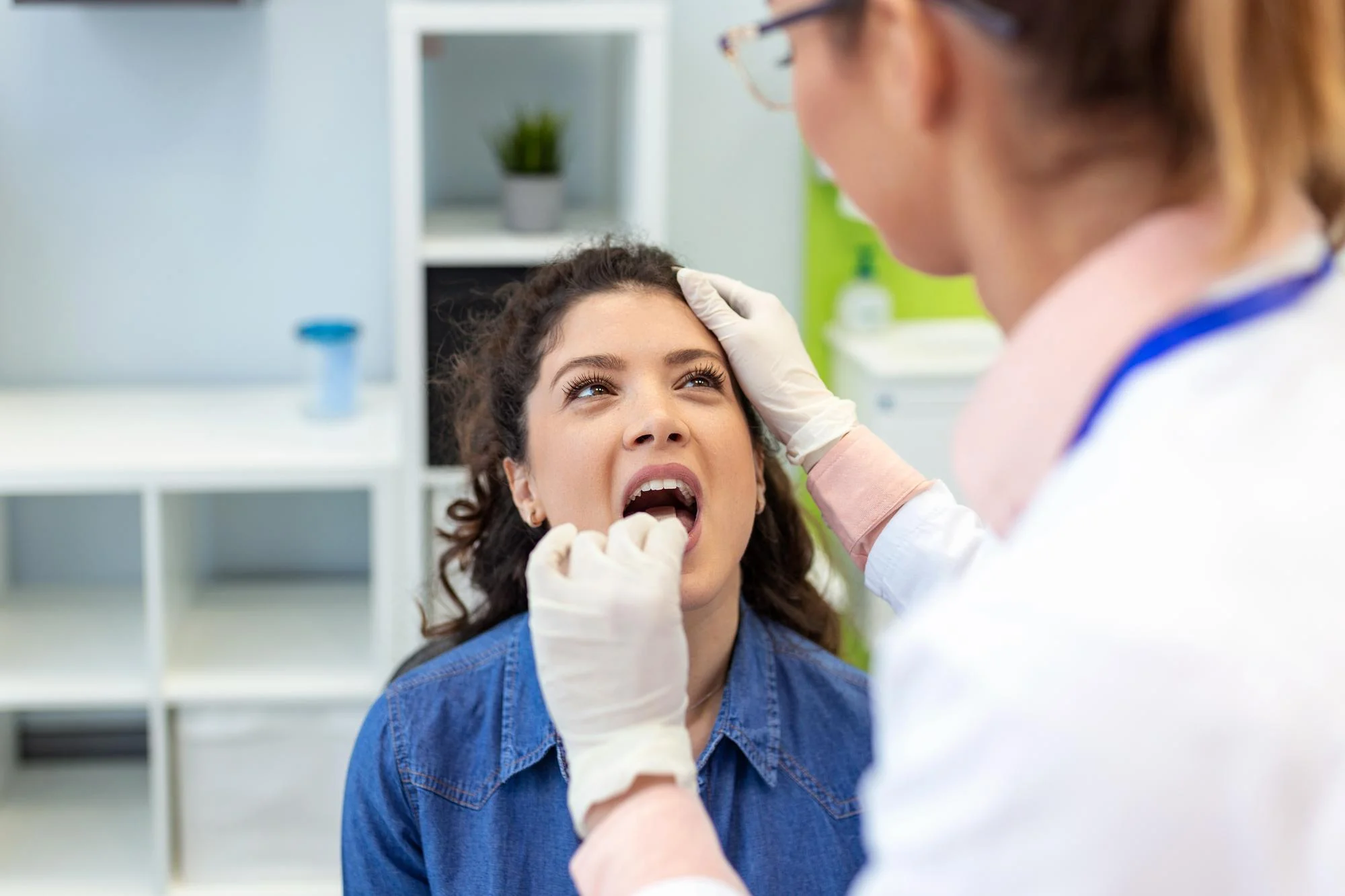
The type of saliva assessment depends on your concerns. We explain what it measures and when results may be useful.
Your visit begins with a review of symptoms and health history. If saliva testing is appropriate, we explain how to collect a sample and discuss the findings alongside your dental exam.
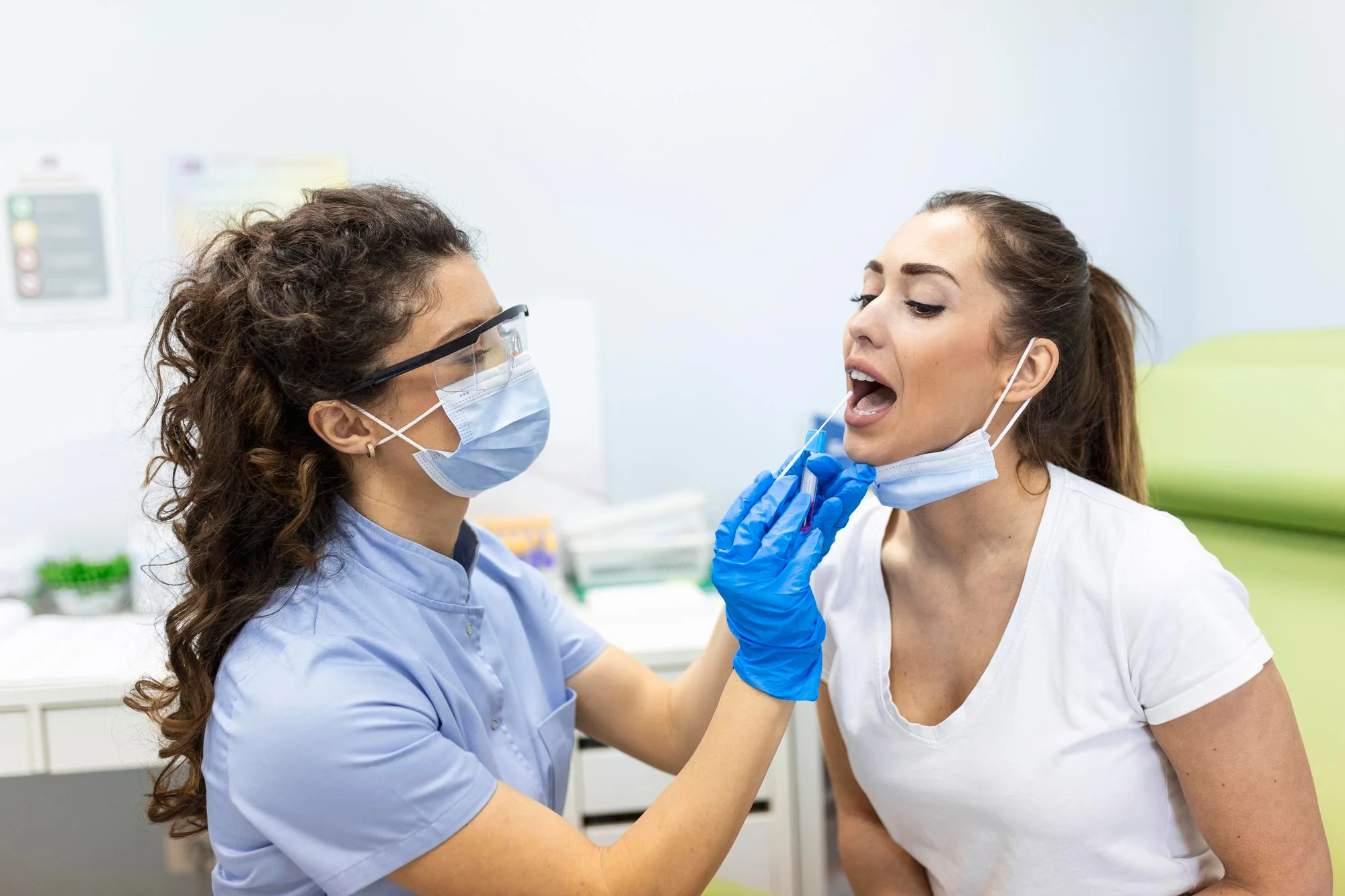
Your dentist may ask about dry mouth, medicines, health changes or concerns before saliva testing.
Follow the preparation instructions before providing your saliva sample using the chosen method.
Review your saliva test results alongside your oral examination, health history and other findings to plan next steps.
Ask what the findings mean, what remains uncertain and whether further assessment or care is appropriate.
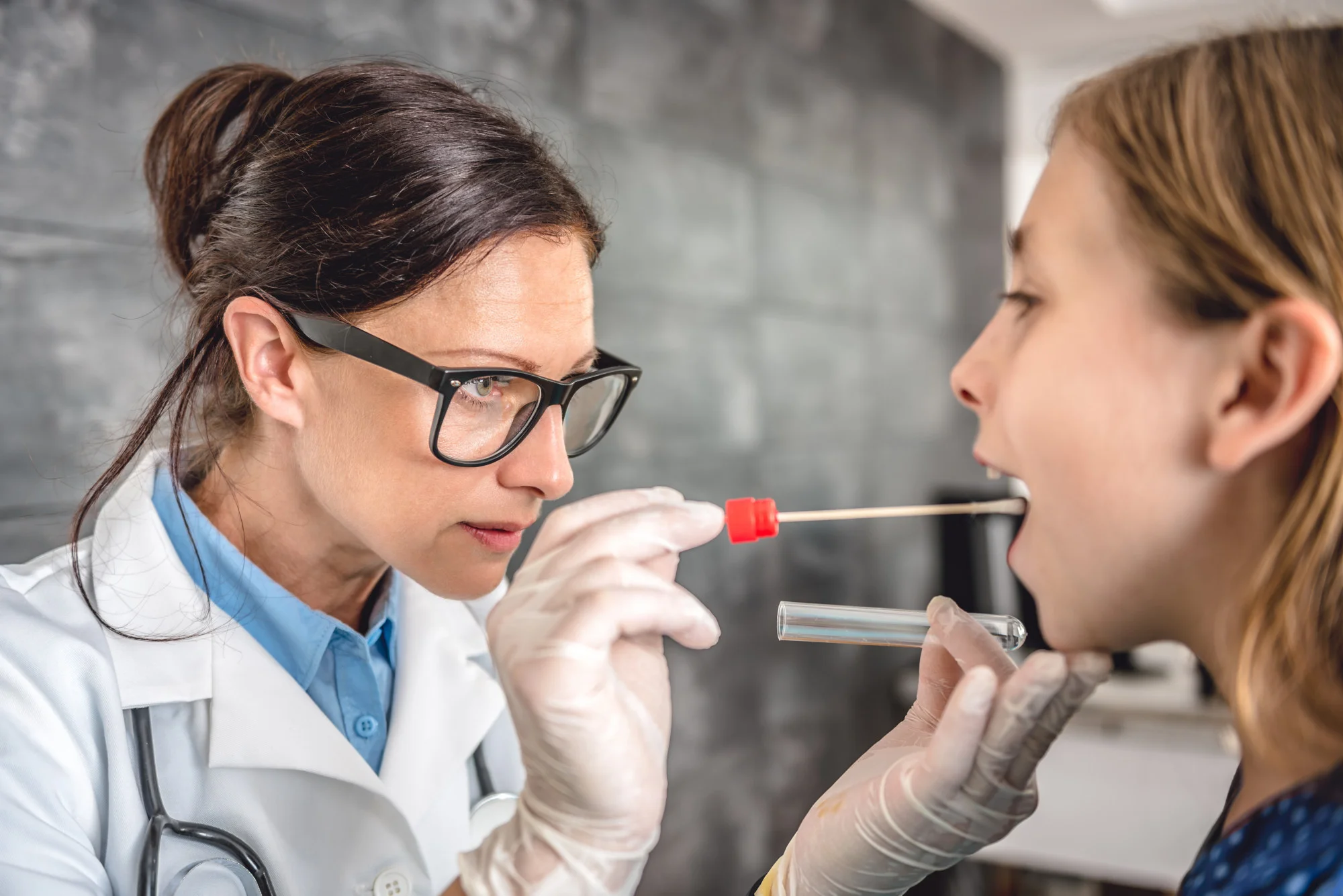
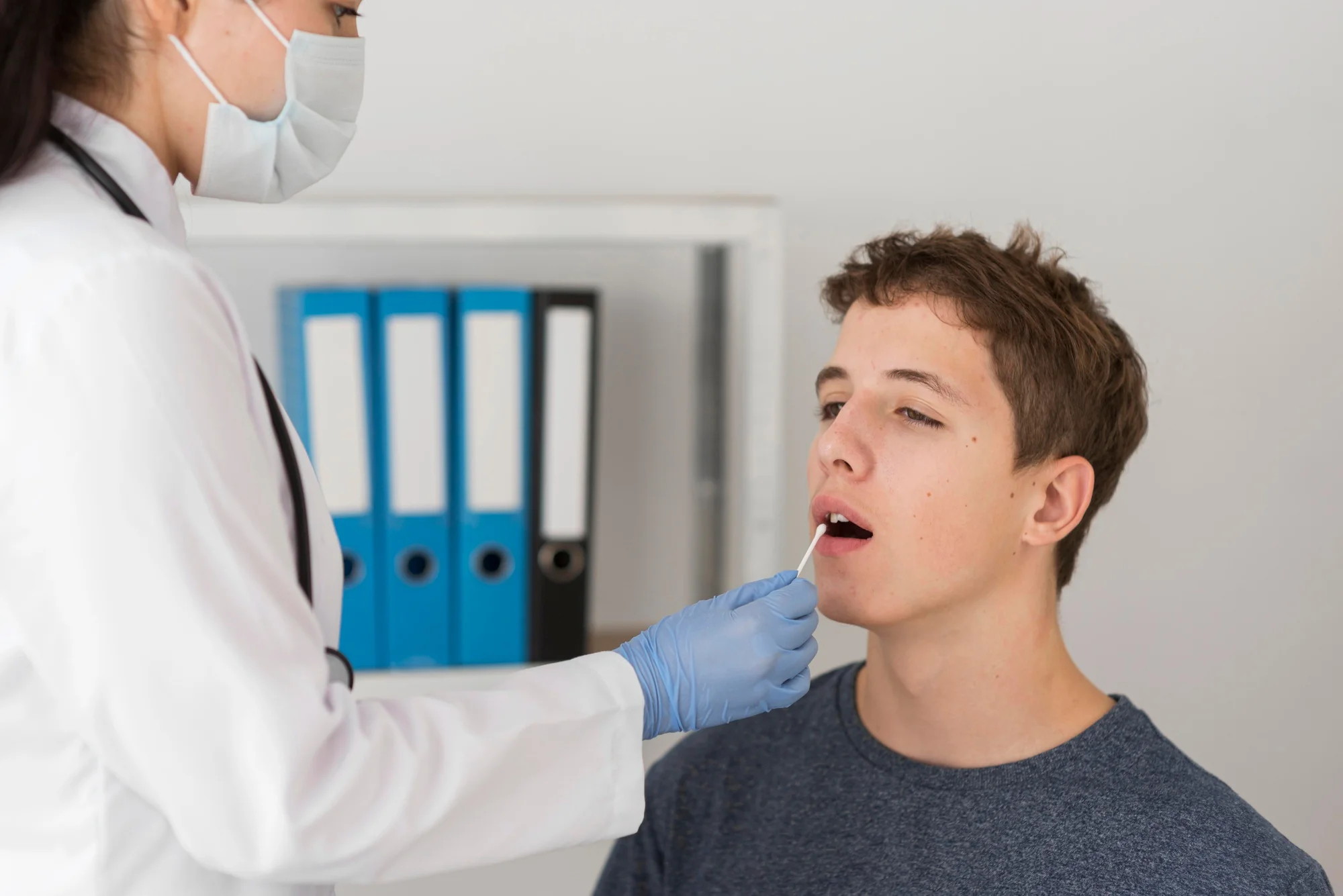
Not every patient needs saliva testing. It may be considered for lasting dryness or other concerns that call for closer assessment. Your dentist can explain whether a specific test is useful and what results may show.
Persistent dryness or reduced saliva flow may warrant an assessment of symptoms, medicines and oral health.
Frequent cavities and reduced saliva may raise questions about oral protection and further testing.
Gum changes need an exam; saliva results may provide added context.
Some medicines and health conditions affect salivary flow and may influence testing decisions.
We discuss your concerns and dental findings first. If saliva testing may help, we explain its purpose and limits. Results are reviewed with your examination and health history.
Learn why a test is being considered and which question it may help answer.

A saliva result may not confirm or rule out a dental condition.
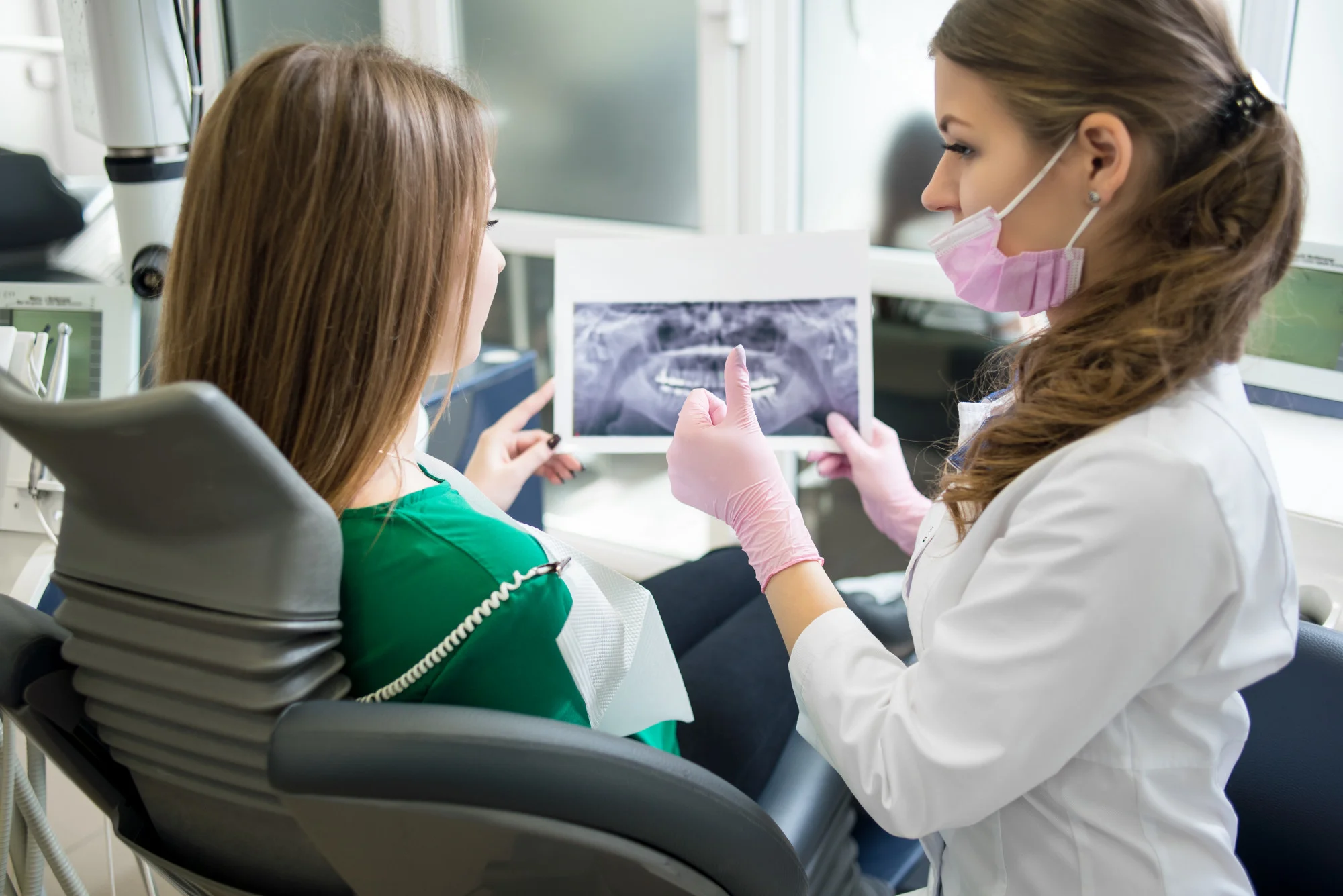
Review results with symptoms, gum findings and other dental information.

Review your saliva test results with a dentist to see whether monitoring, home care or further testing is needed.

Patients ask about oral bacteria and dry mouth. These answers explain where saliva testing may help, but results cannot replace an individual dental assessment.
Saliva tests may measure oral microbes or markers, but cannot diagnose gum disease alone. Dentists rely on gum measurements, bleeding and other clinical findings. Ask which test is being considered, how reliable it is and whether the result would affect your care.
Not always. Dry mouth can relate to medicines, dehydration or health conditions. A dentist can review your symptoms and exam findings first. Measuring saliva flow may help, but other saliva tests may not be needed. Ask what testing would add.