The tongue, lips and facial muscles rest and move in ways that affect oral function. At our Terwillegar dental practice, we review oral habits, swallowing and related concerns before discussing myofunctional therapy. Exercises may help selected functions, but other dental or medical care may be needed first.



Myofunctional therapy uses exercises and habit practice for selected oral muscle functions. Goals follow the assessment, and exercises may be part of broader dental or medical care plans.
Review where the tongue rests and how it moves during swallowing.
Check lip closure and muscle use during rest and oral activities.
Discuss which oral habits may need guided practice or referral.
The tongue, lips and facial muscles all help with swallowing, rest and chewing. An assessment considers whether a habit affects function or dental care. Ordinary differences do not always need therapy, and structural or medical issues may require separate review.
Tongue position at rest may be assessed when it affects oral function or a wider dental goal.
Persistent open-mouth posture can have different causes. Nasal or medical concerns may need evaluation first.
A tongue-thrust or other swallowing pattern may warrant review when it affects oral function.
Muscle patterns may be considered alongside bite, jaw or other oral concerns when relevant.
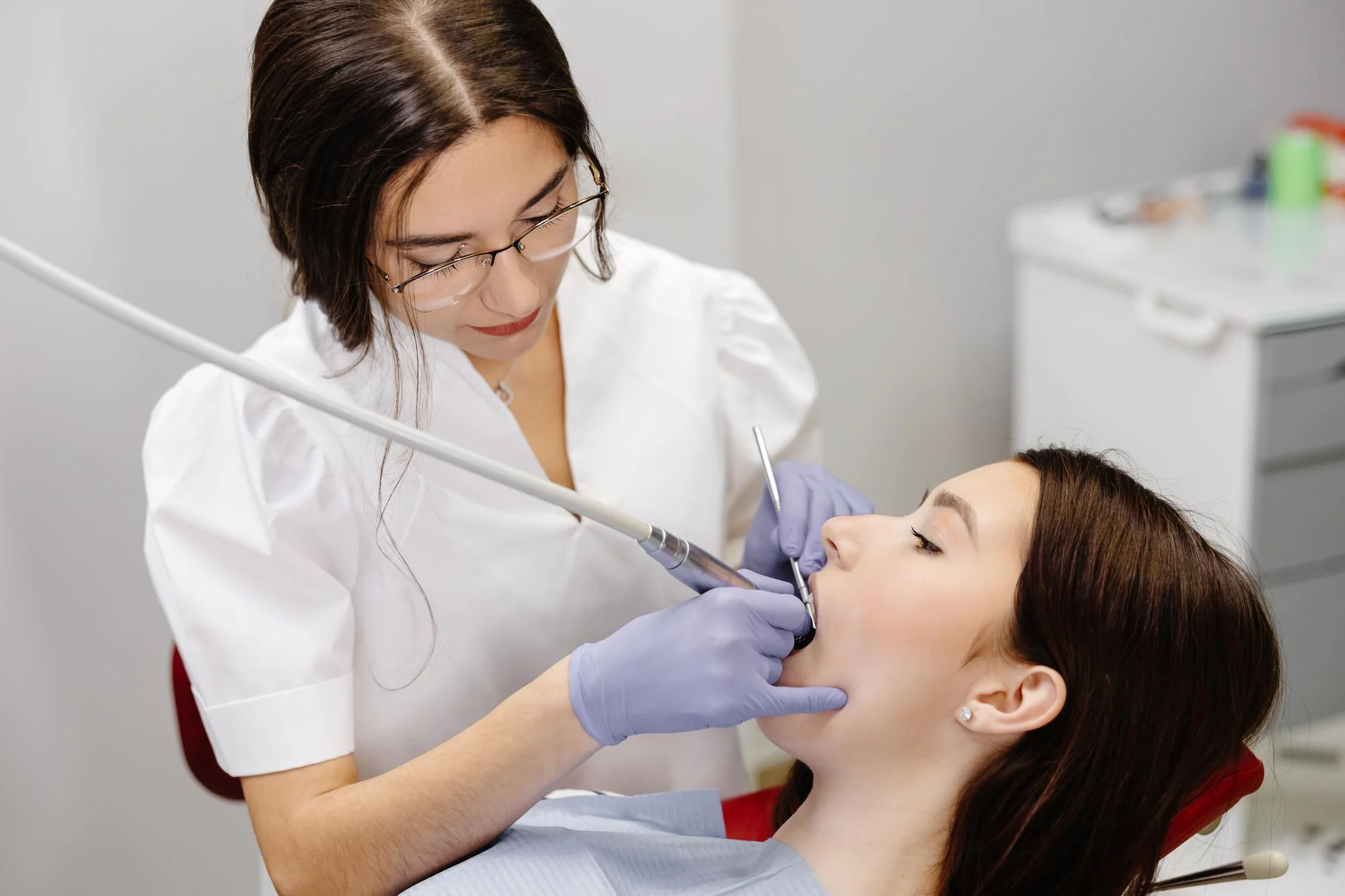
We review tongue position, lip closure and swallowing habits to see whether guided practice fits a clear oral goal.
We review oral habits, tongue and jaw movement, and your concerns before discussing a therapy goal. Some findings may need further dental or medical review before guided exercises begin.

Describe tongue posture, mouth breathing, swallowing issues and any symptoms noticed.
Review tongue and lip movement, oral resting posture and swallowing patterns during the assessment.
Discuss whether guided exercises, ongoing monitoring or an assessment by another provider best fits the findings made.
If therapy is appropriate, review the recommended exercises, how to practise them at home, and when progress should be checked.


Exercises may be discussed when tongue posture, lip closure or swallowing affect oral function. Mouth breathing can have other causes. Not every habit needs therapy, and exercises do not replace sleep apnea care.
A tongue-resting pattern may be worth reviewing when it appears relevant to oral function or dental care.
Habitual open-mouth posture may need an oral review and, at times, medical assessment.
Tongue movement during swallowing may call for further assessment.
Oral habit retraining may help when goals are clear and steady practice is possible at home too.
We review the oral concern and explain whether exercises have a role. Practice is useful when the goal is clear and patients can take part. Dental, medical or speech referral may be needed.
Understand which movement or habit the exercises aim to address.
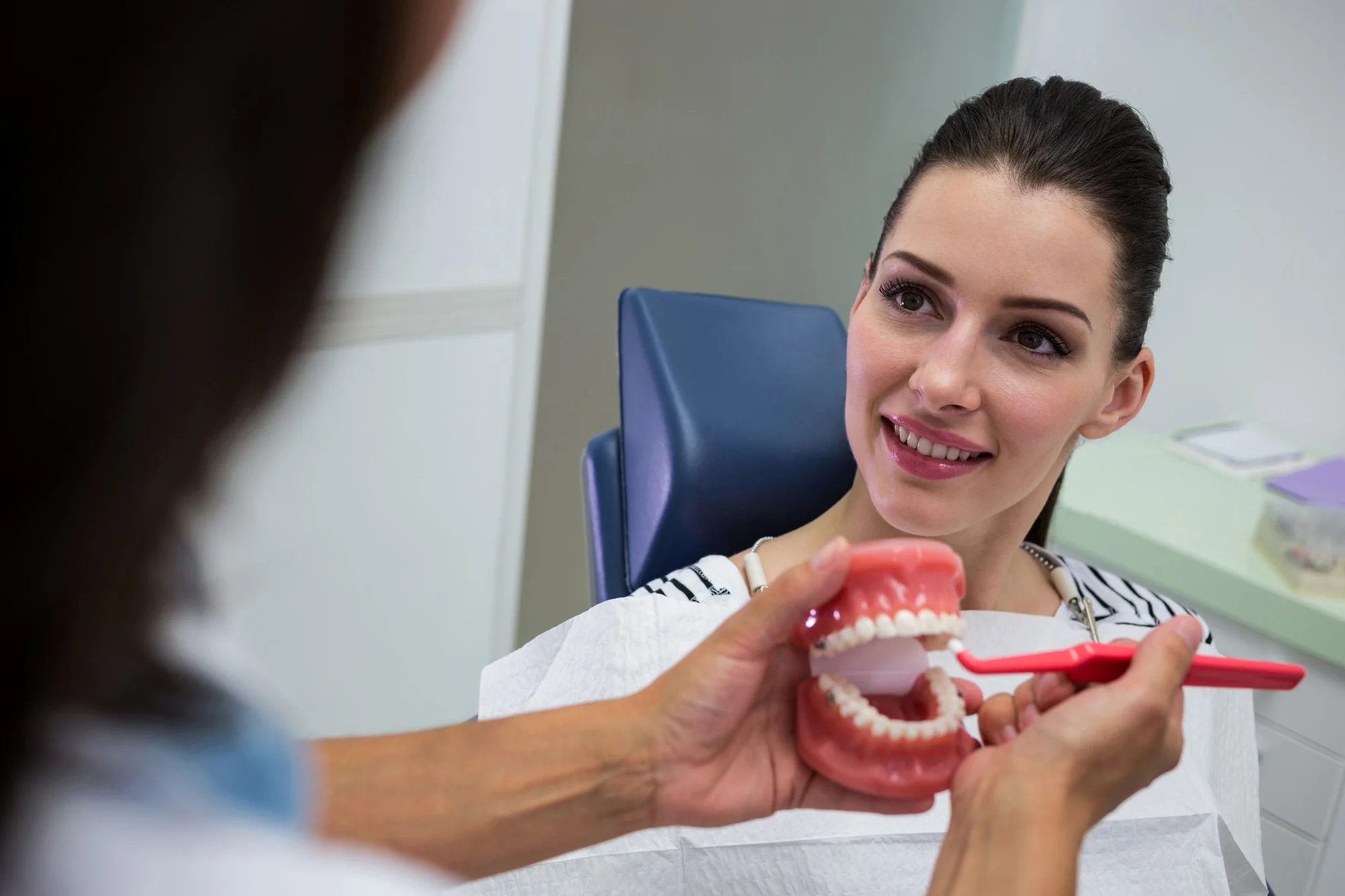
Nasal obstruction or sleep concerns need appropriate medical evaluation.

Practise the selected movements with attention to technique and consistency.

Check whether the targeted habit or oral functions are changing and whether the therapy plan needs a detailed review.

Patients ask how oral muscle exercises work, whether mouth breathing needs review and what practice involves. An assessment helps decide whether therapy is appropriate.
Exercises may help a selected oral habit, but mouth breathing may result from nasal blockage or another medical concern. Exercises cannot replace assessment of breathing difficulty. A dental review can help identify the need for medical referral before therapy.
Myofunctional exercises do not replace medical sleep assessment or established sleep apnea care. Breathing symptoms during sleep need evaluation by a medical provider. The role of exercises in wider care should be discussed after diagnosis.