
At our Terwillegar dental practice, preventive dentistry includes dental exams, professional cleanings and sealants when appropriate. We look at changes in your teeth and gums, explain our findings and discuss care that reflects your oral health, rather than assuming everyone needs the same schedule.
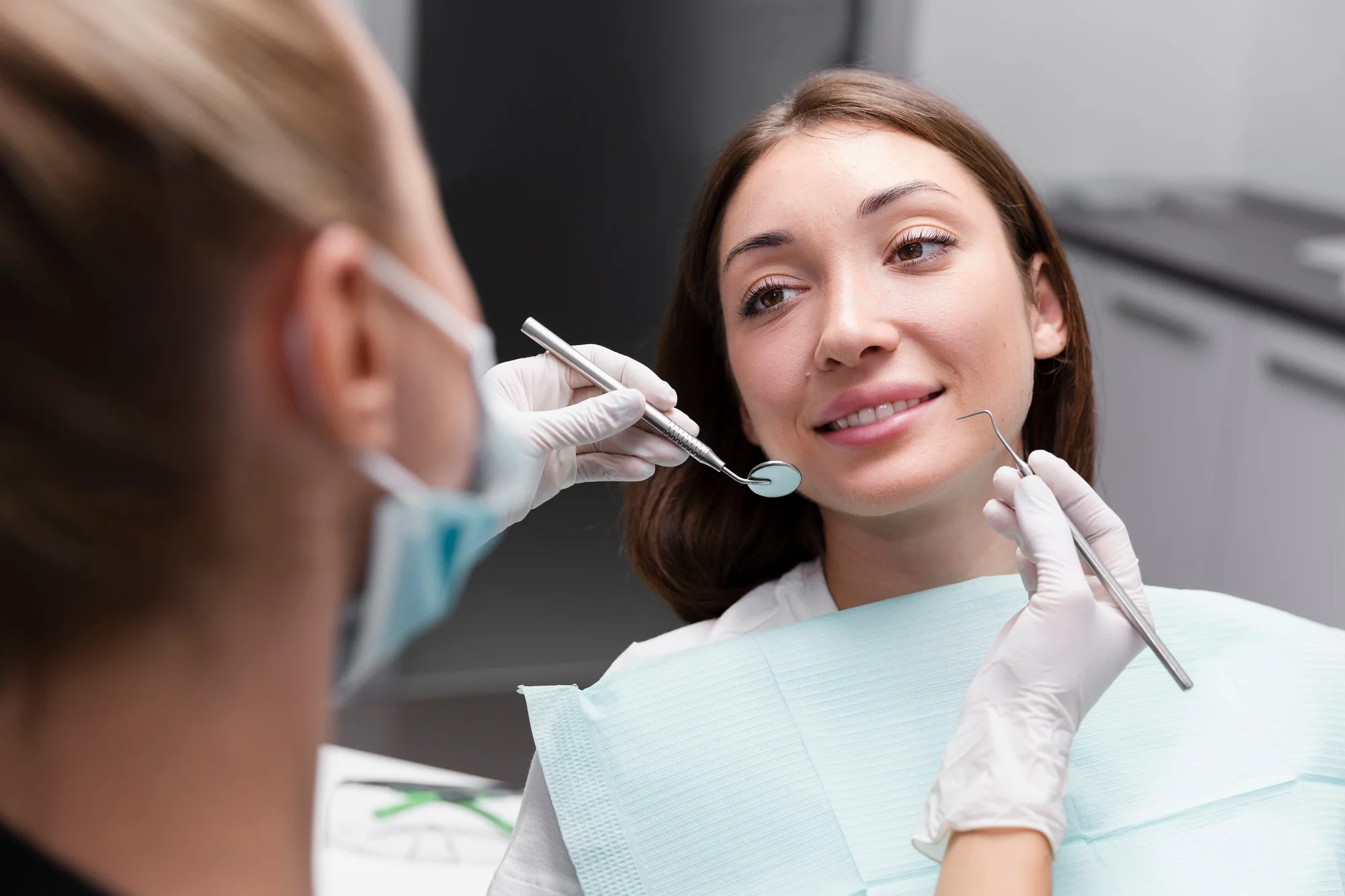

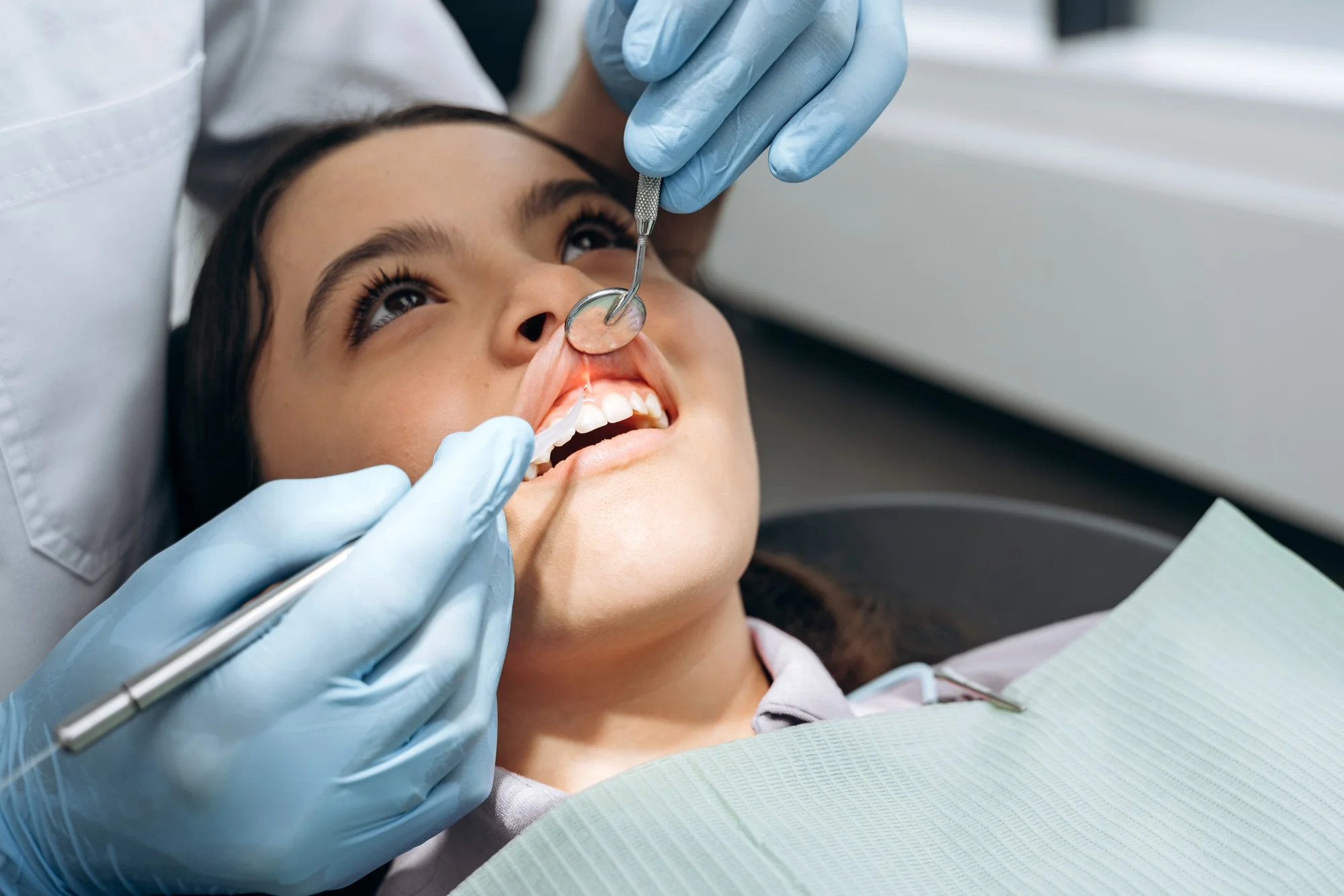
Preventive dentistry involves checking your teeth and gums, managing factors that may contribute to decay or gum disease, and giving you practical advice for care between visits.
Examine teeth, gums, oral tissues and existing dental work for changes.
Discuss ways to lower cavity and gum disease risks through daily care.
Recommend future visits and treatments based on your findings.
Not every change in your mouth causes pain. Regular dental visits allow your team to check your gums, teeth and existing dental work, compare findings with earlier appointments, and discuss any changes or concerns you have noticed at home and plan the next steps.
Dental examinations may reveal developing cavities, gum inflammation or changes that need further attention.
Professional cleanings remove plaque and hardened tartar that ordinary brushing cannot fully remove.
Previous cavities, dry mouth, dietary habits and gum conditions can influence preventive recommendations.
Your dental team can adjust visit intervals and home-care advice as your oral health needs change.
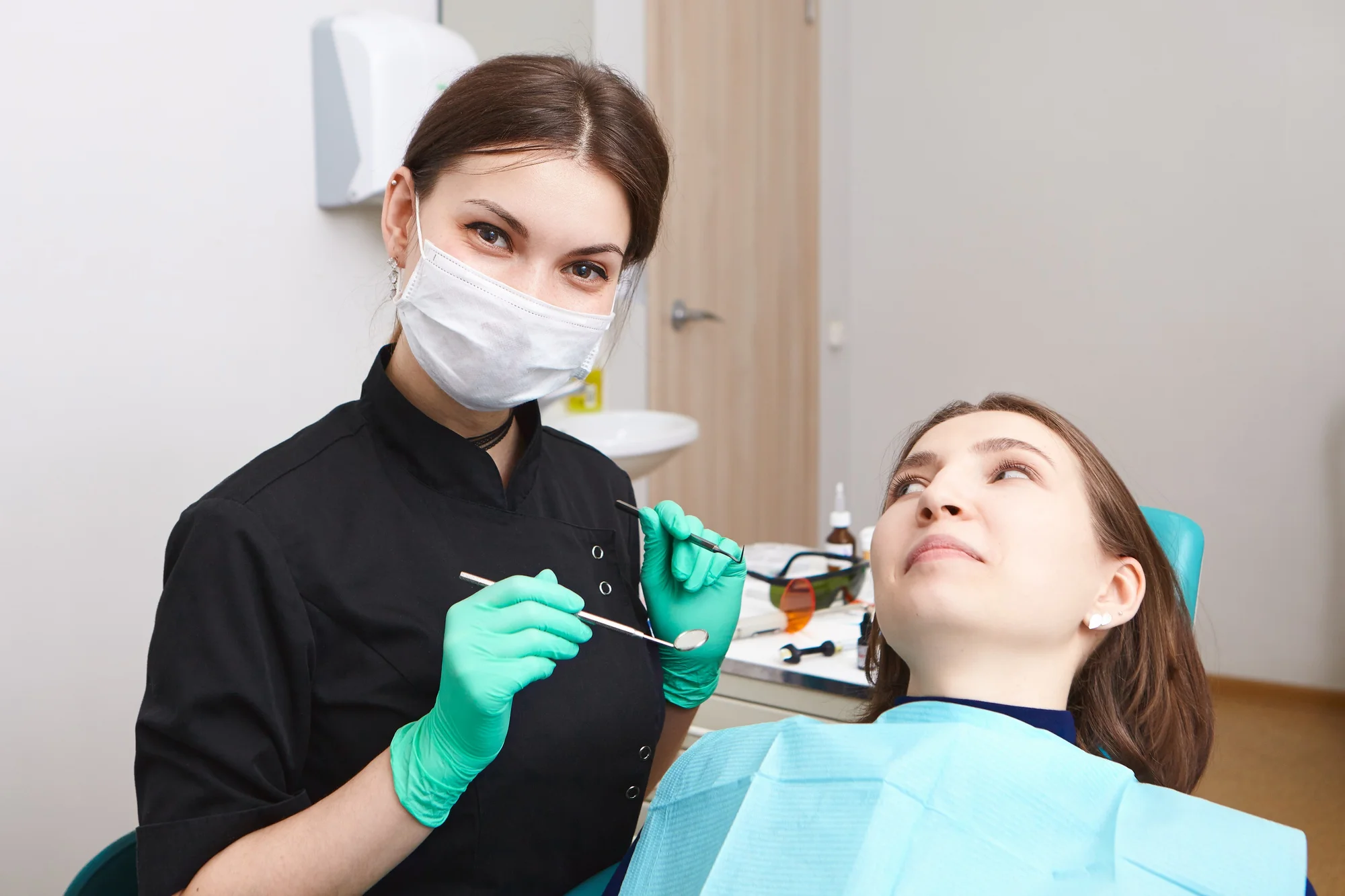
Dental exams, cleanings and sealants play different roles. Your dentist can explain which services may be useful after assessing your oral health.
Your preventive care plan starts with an examination and a conversation about your health, home-care habits and concerns. Recommendations depend on what your dentist finds.
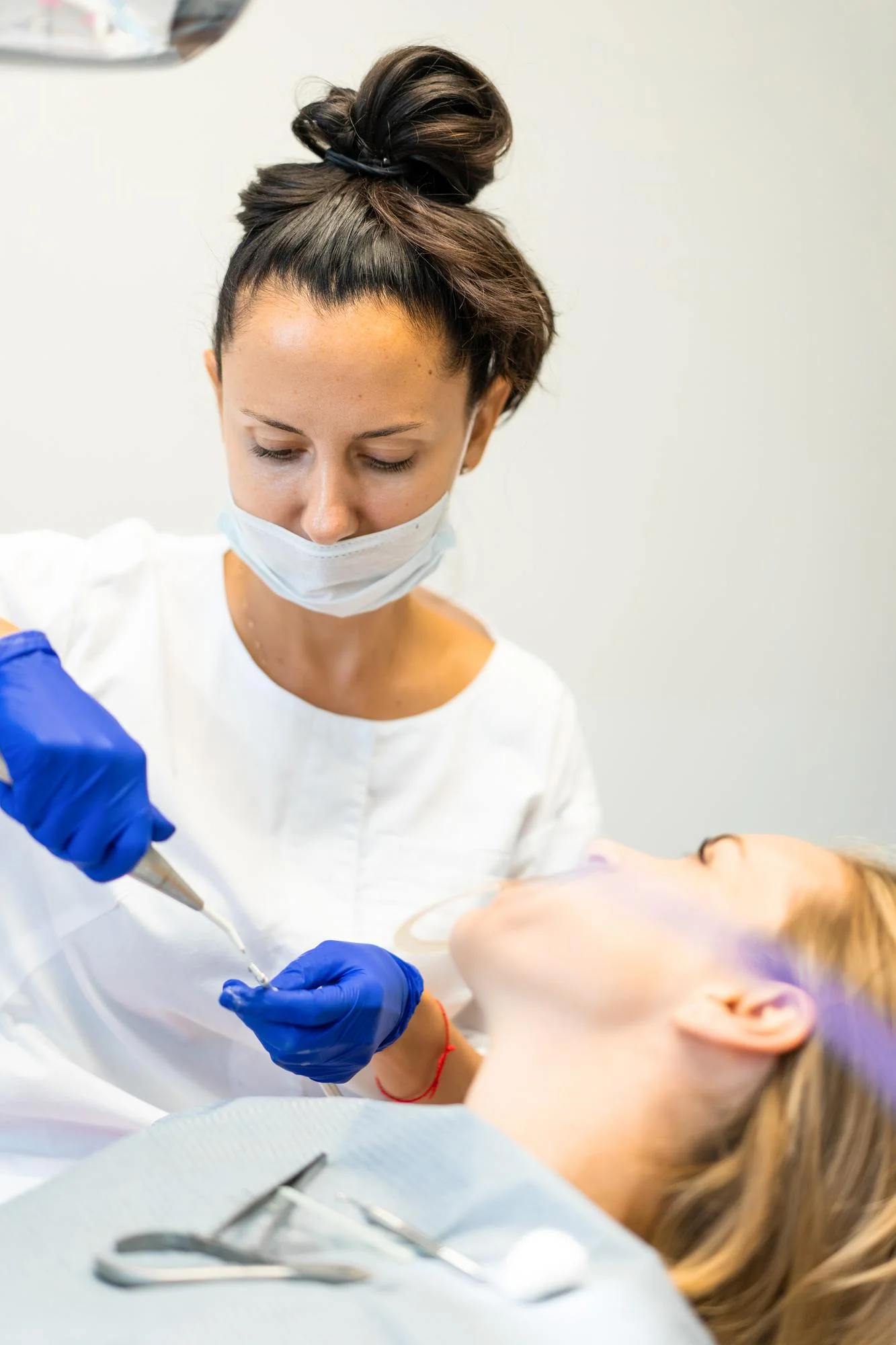
Discuss previous dental treatment, current concerns, medications and relevant health information.
Check your teeth, gums and oral tissues, using diagnostic imaging when it is clinically appropriate and needed
Review examination results to identify whether preventive care, further assessment or treatment may be needed.
Recommend examination and cleaning intervals based on your dental health, history and individual risk factors.
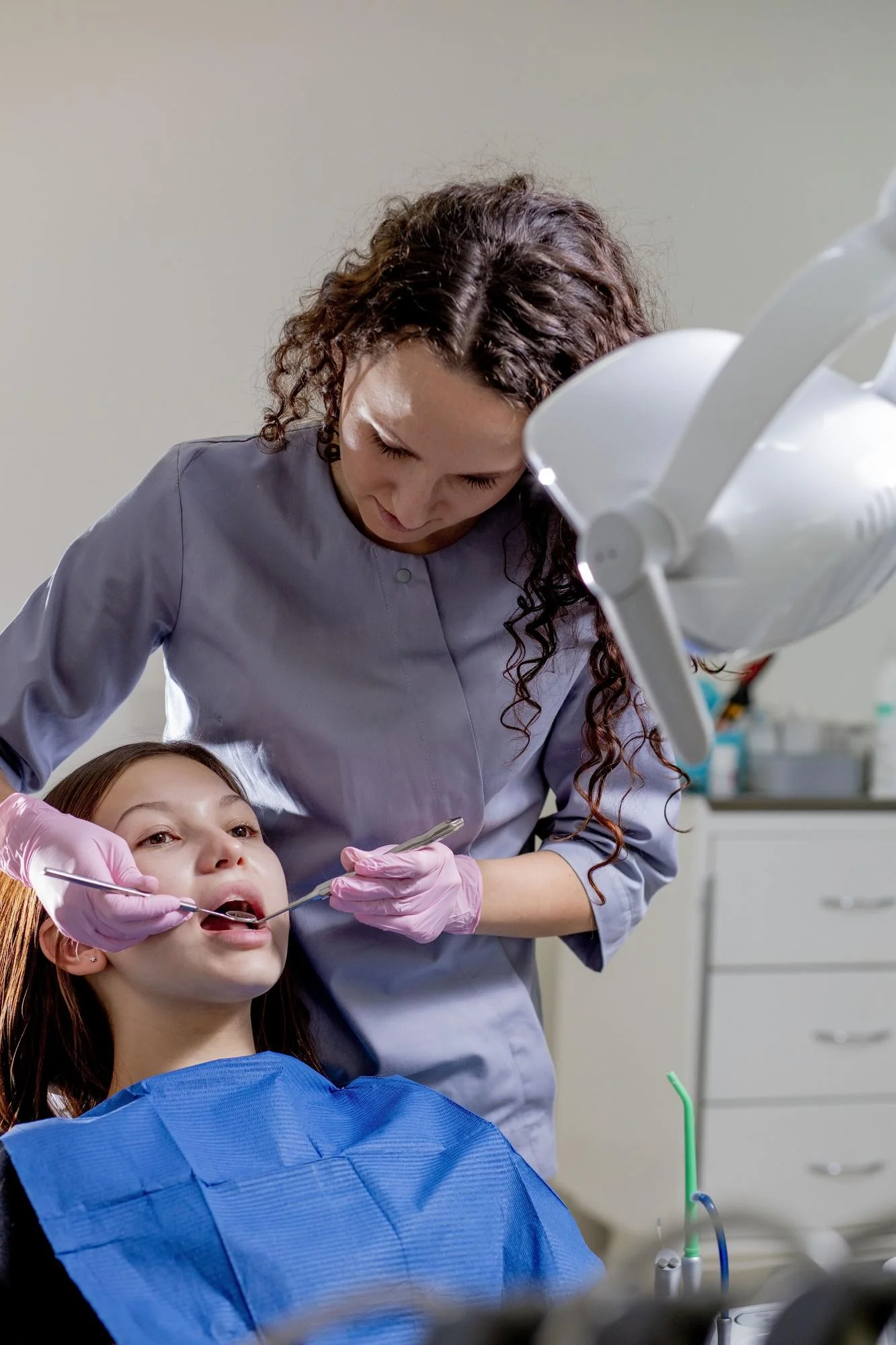
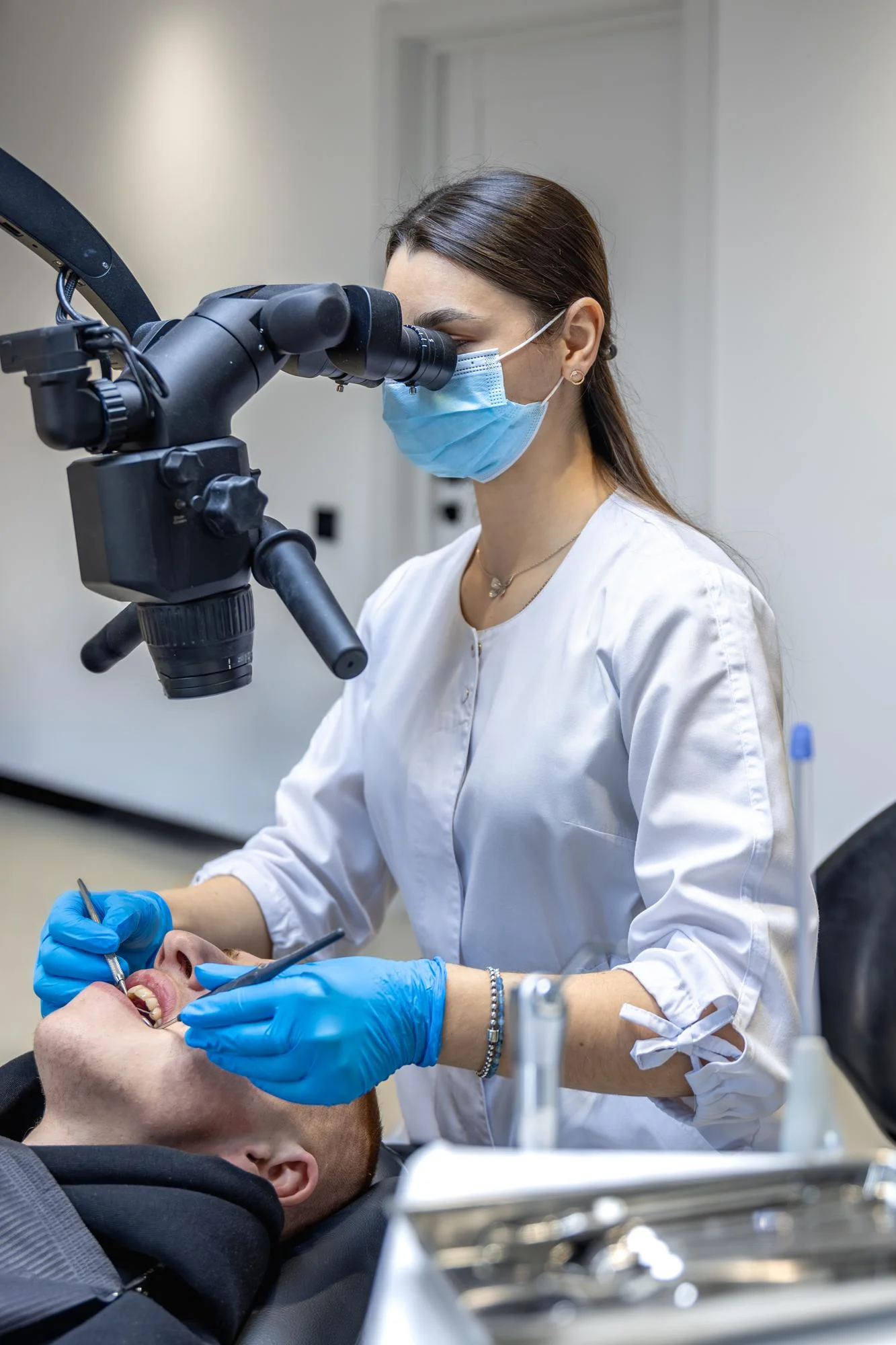
The time between dental visits is not the same for everyone. Your dentist considers your gum health, cavity history, existing dental work and other risk factors when recommending your next exam or cleaning.
Bleeding, inflammation, plaque buildup and previous gum disease may affect how often cleanings are recommended.
Past decay, dry mouth, dietary habits and new findings may influence examination intervals.
Fillings, crowns and restorations need regular checks for wear or damage.
Children and adults may have different preventive needs as their teeth and oral health change.
We explain what we see, discuss what it means for your oral health and make time for your questions. Any recommended care should have a clear purpose and be appropriate to your individual findings.
Learn what your examination reveals and how to care for your teeth and gums between visits.

Review preventive and treatment options based on your findings rather than unnecessary procedures.

Set examination and cleaning schedules according to your oral health history and current risks.

Receive clear explanations of any findings that require monitoring, additional assessment or appropriate treatments.

These common patient concerns highlight why individual dental assessments matter. Online experiences cannot determine the cause of your symptoms.
Brushing too firmly may irritate your gums, but redness can also be related to plaque buildup, gingivitis or other conditions. A soft-bristled toothbrush and gentle technique may help reduce irritation. If redness or bleeding continues, arrange a dental assessment to identify the cause.
Start by booking a dental examination and sharing your concerns. Your dentist can assess your oral health, discuss urgent needs and explain suitable treatment options. You can then make informed decisions without feeling rushed.