
Large cavities, fractures or worn fillings may leave a tooth too weak for a standard filling. Dental onlays repair chewing surfaces while keeping healthy tooth structure where possible. At our Terwillegar practice, we examine the tooth, review materials and explain whether an onlay may suit your needs.


Onlays repair chewing surfaces and cover one or more tooth cusps. Unlike crowns, they cover only damaged areas. Your dentist reviews the remaining structure and bite.
Check weak cusps and old fillings to see whether an onlay is needed.
Fit an onlay over damage to restore tooth shape and chewing function.
Check onlays for wear at dental visits and maintain daily oral care.
Large cavities, cracked cusps and worn fillings can weaken a tooth. An onlay can restore damaged chewing areas without covering the whole tooth. Your dentist examines the remaining healthy structure and the extent of damage to decide whether an onlay is suitable.
Onlays repair suitable areas affected by larger cavities, fractures or worn dental restorations.
Covering damaged or weakened cusps may help protect the tooth during normal chewing.
Partial coverage may allow more natural tooth structure to remain than a full crown in suitable cases.
A properly fitted onlay restores the tooth's chewing surface and supports normal biting function.

Onlays can be ceramic or composite resin. The choice depends on the tooth’s location, remaining structure and bite.
Your dentist examines the tooth, prepares the damaged area and records its shape. The onlay is made, fitted and checked for your bite. The number of visits depends on how it is created.
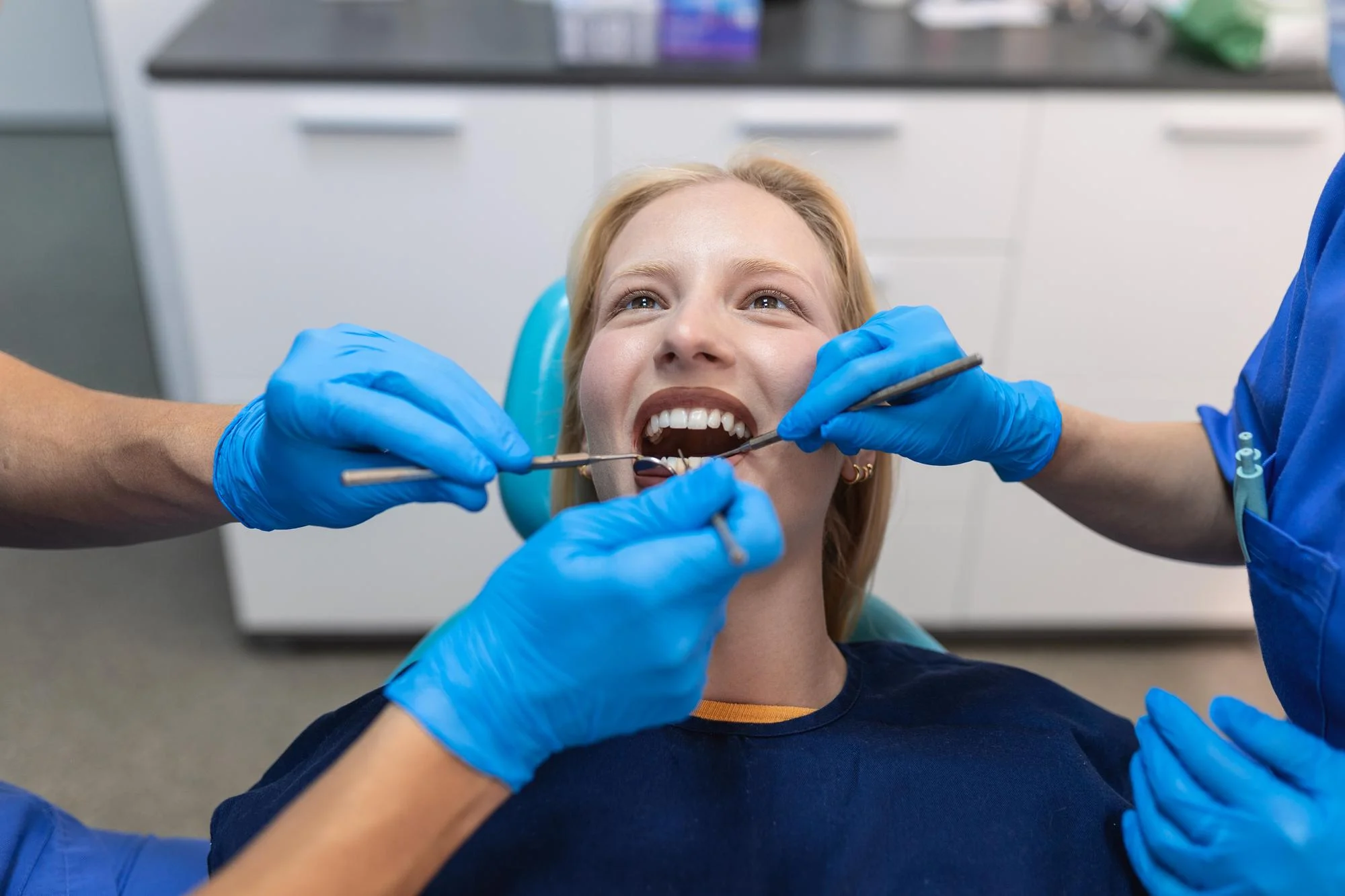
Check decay, cracks, old fillings and remaining structure to see if an onlay is suitable.
Use local anaesthetic if needed and remove damaged material while preparing the tooth for an onlay.
Take impressions or digital scans to create the onlay. A temporary restoration may be placed when required.
Before bonding or cementing the onlay to your prepared tooth, your dentist ensures that it fits well and aligns with your bite.

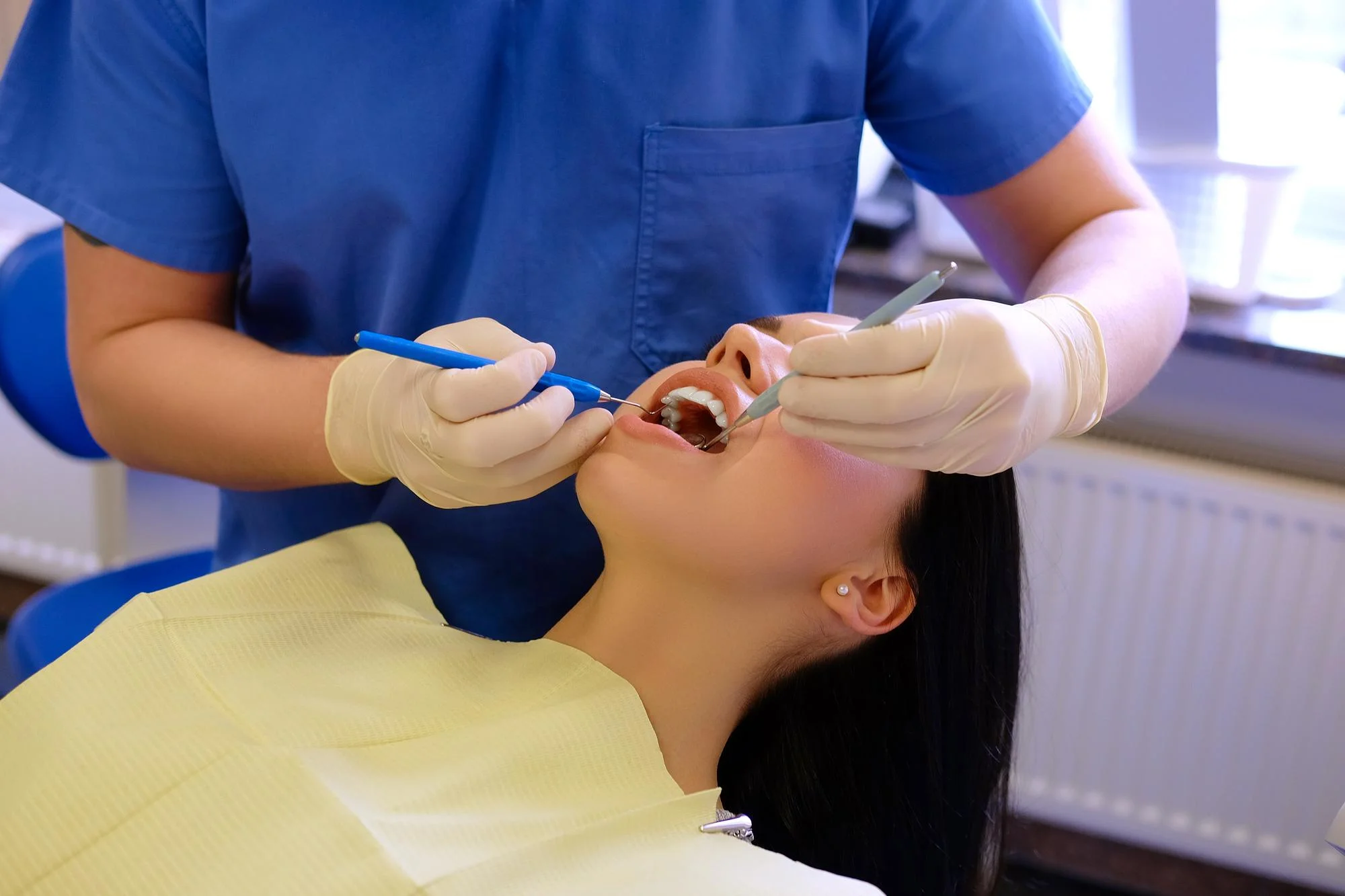
Not every damaged tooth needs an onlay. Your dentist checks the size and location of damage, existing fillings and how the tooth works when chewing. Some teeth suit fillings, while others need crowns or different care.
An onlay may help when decay affects much of the chewing surface and a filling cannot support it.
A weak or broken tooth cusp may need coverage to restore chewing and reduce further stress.
Large fillings may need replacement if loose, cracked or decayed.
Teeth worn or changed by past treatment may benefit from an onlay if enough structure remains.
We examine the affected tooth, explain the findings and review restorative options before treatment. Our approach considers healthy structure, onlay material and chewing function.
Learn whether decay, a crack or an old filling is causing damage to your tooth.
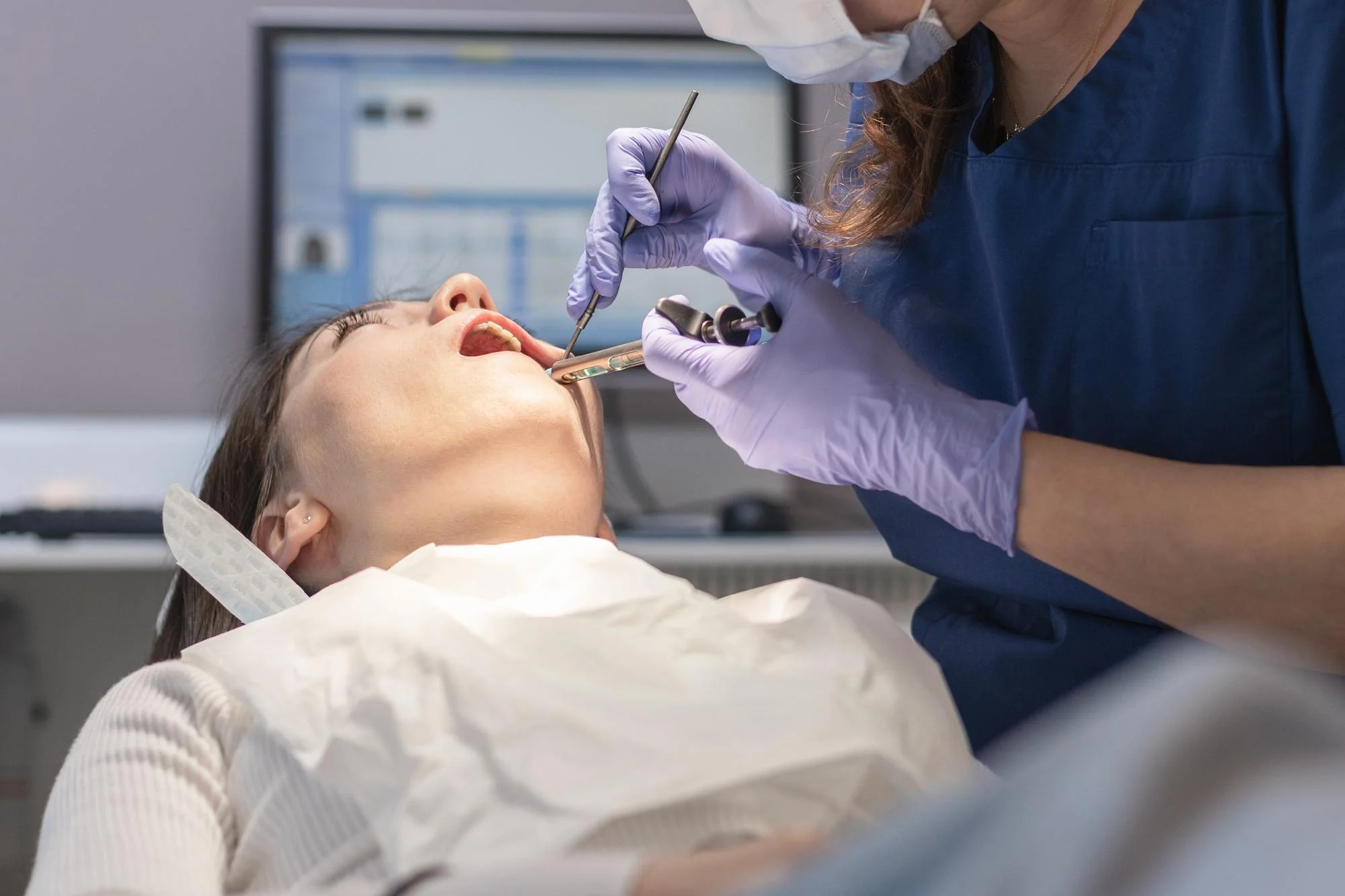
See whether an onlay can repair damage without full crown coverage.
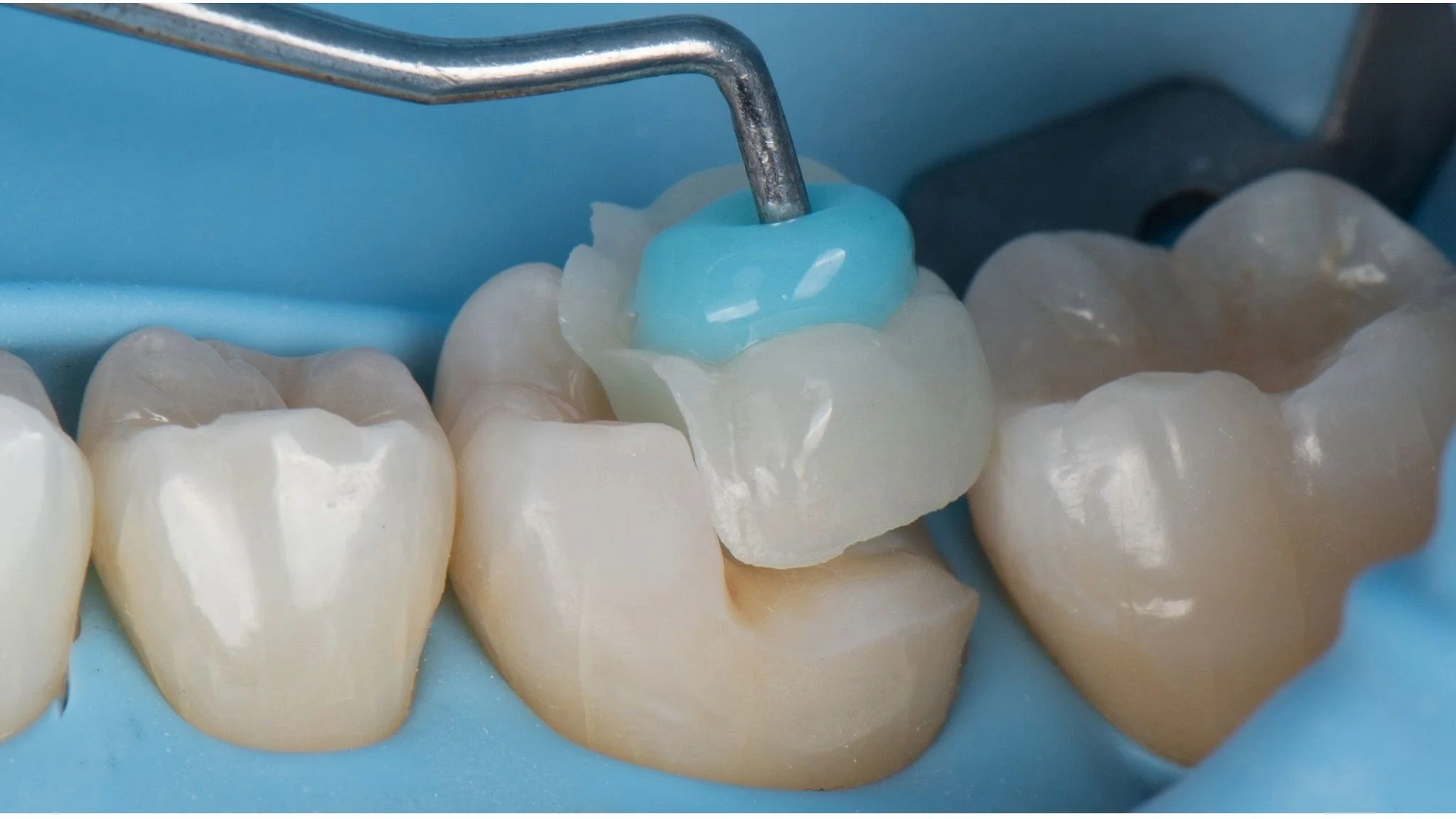
Learn how suitable onlay materials differ and what care they may require.
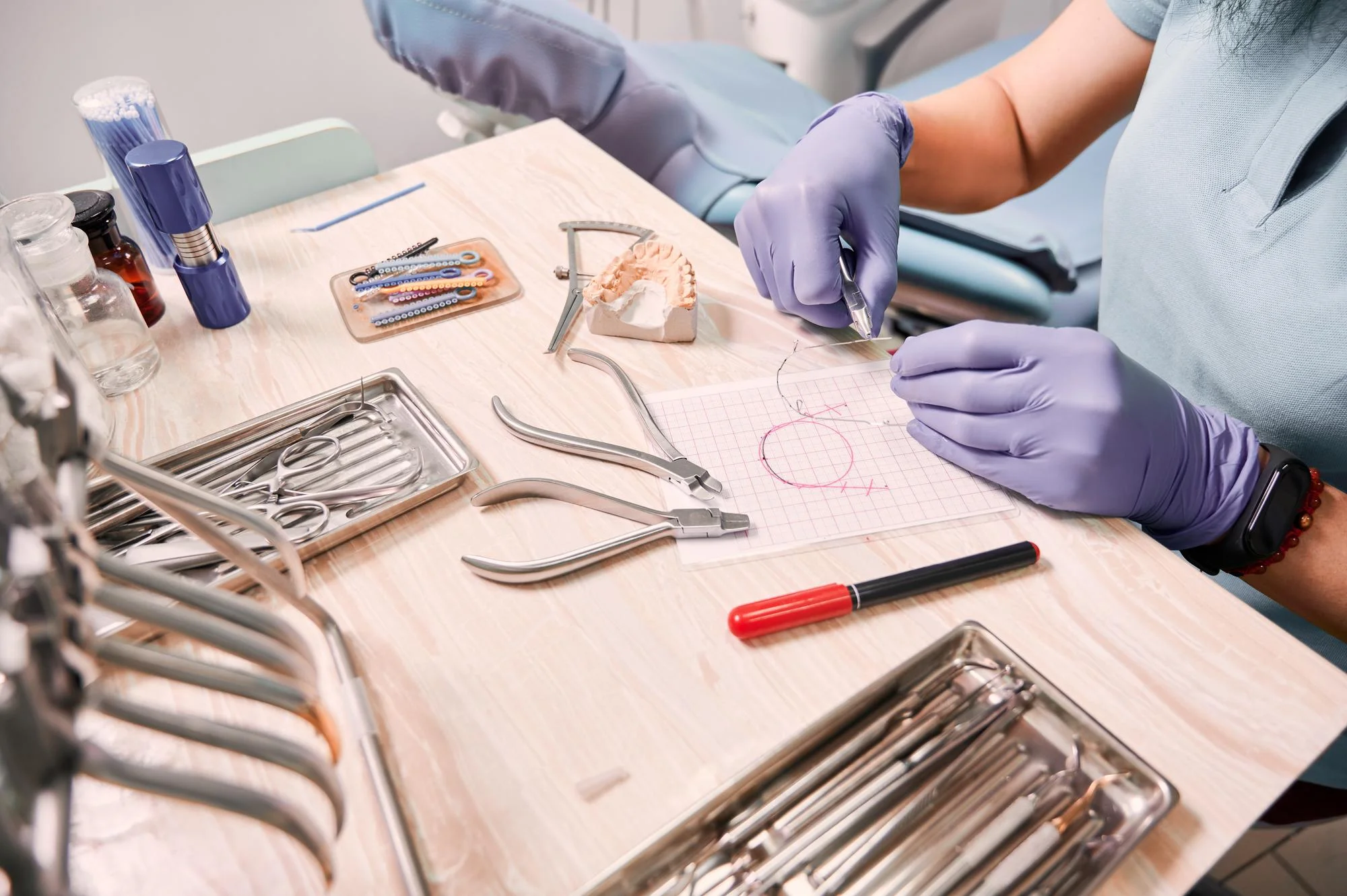
Receive guidance on brushing, cleaning between teeth and recognizing changes that need dental assessment.
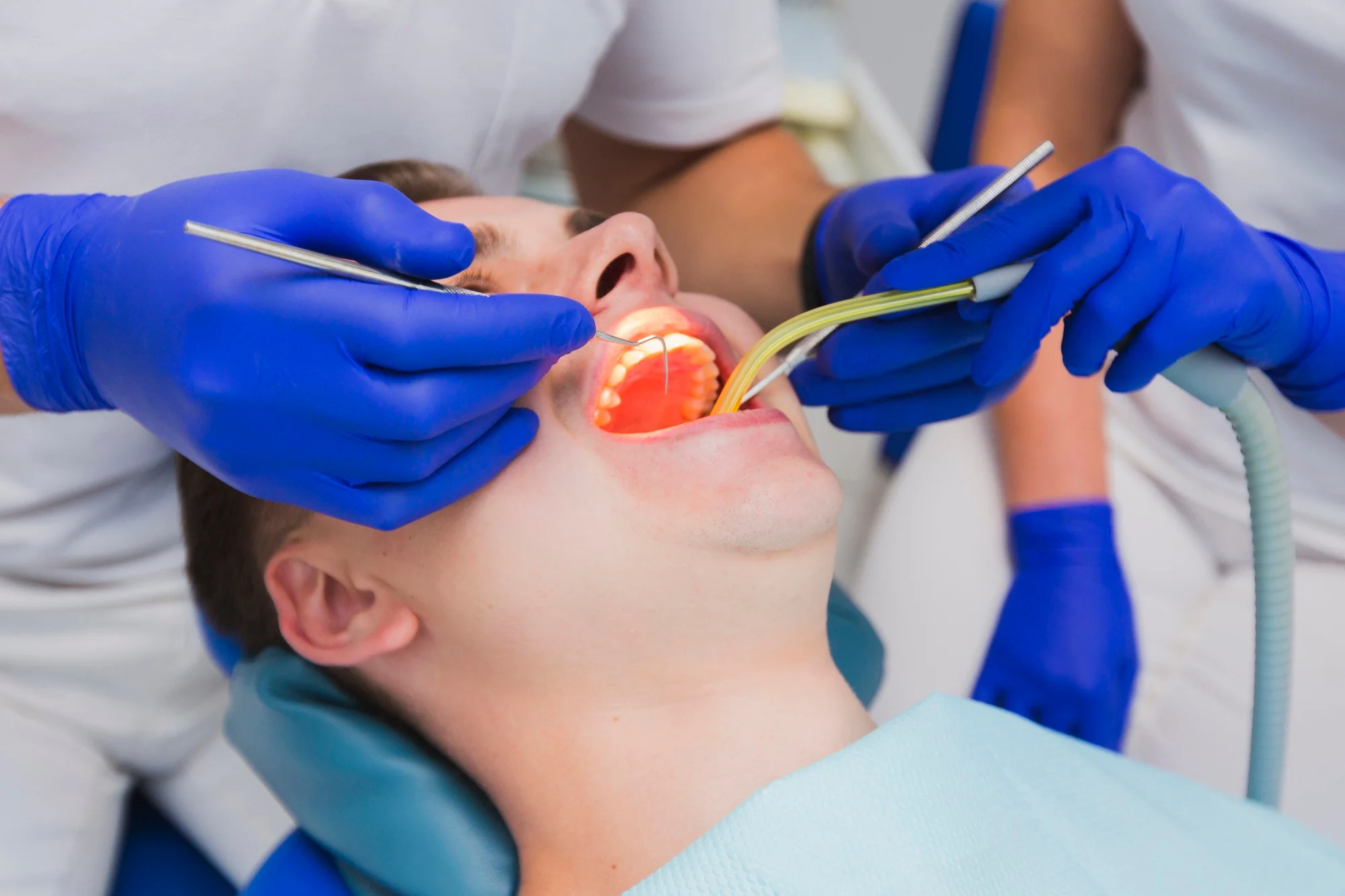
Questions about onlays and crowns, treatment steps and lifespan are common. These answers offer general guidance, but your dentist must assess the tooth to recommend care.
An onlay repairs part of a tooth’s chewing surface, including cusps. A crown covers more of the visible prepared tooth. An onlay may retain more healthy structure when damage is limited, while a crown may be needed for wider damage. Your dentist examines the tooth before advising.
An onlay may last years, depending on material, tooth, bite and habits. It can chip, loosen or need replacing. Brush twice daily with fluoride toothpaste, clean between teeth, avoid hard objects and attend dental exams to check the onlay.