
Cavities, chips and damaged fillings can affect how teeth look and work. Tooth-coloured composite resin repairs suitable areas and blends with nearby teeth. At our Terwillegar practice, we examine the tooth, explain material choices and discuss whether a composite filling suits your needs.

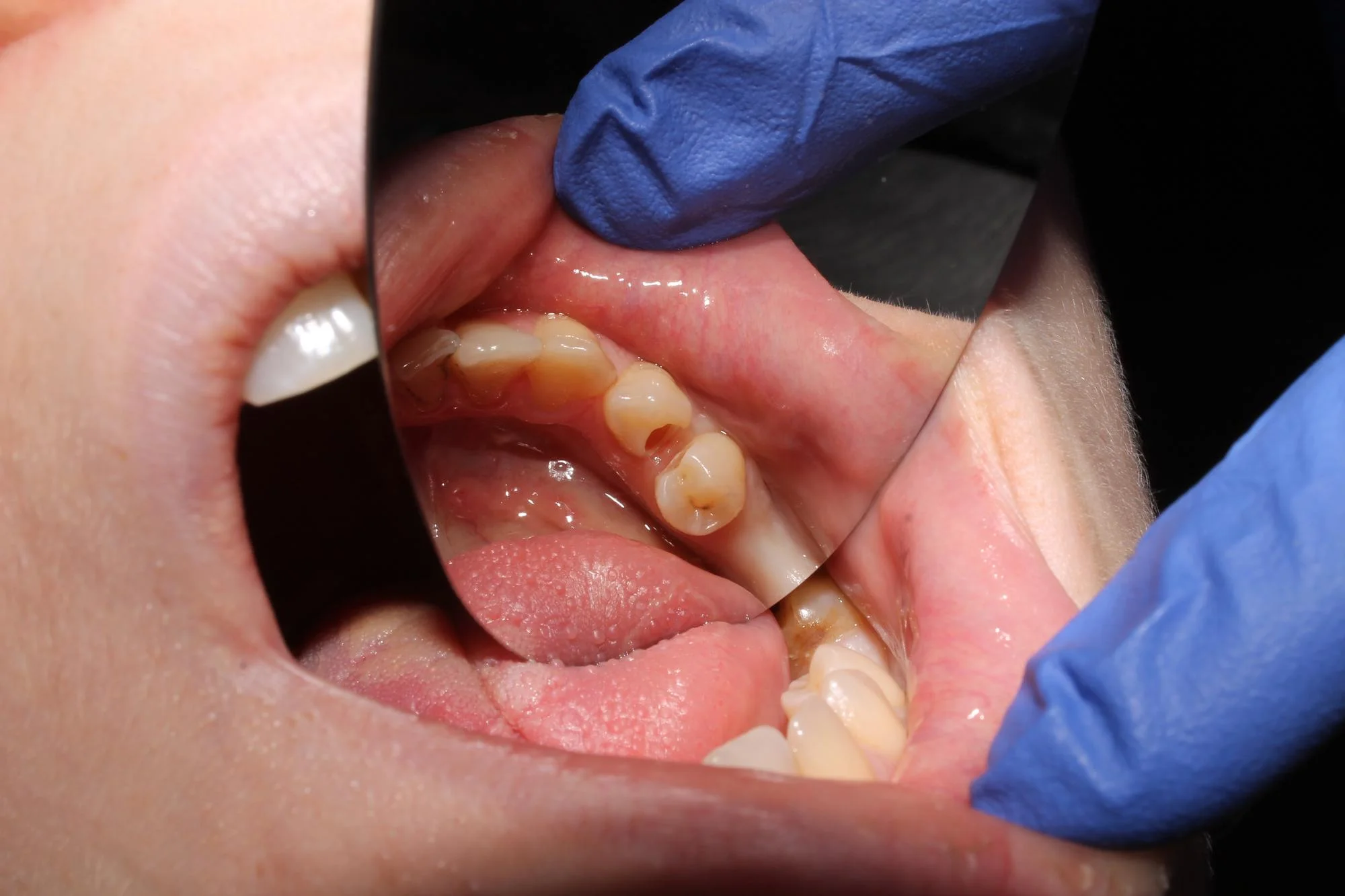

Tooth-coloured fillings use composite resin shaped and set in a tooth to repair decay or minor damage. Your dentist considers the tooth’s condition, location and bite before treatment.
Examine cavities, chips and existing fillings to plan appropriate care.
Shape composite resin to repair suitable areas of damaged teeth.
Check fillings during dental visits and discuss daily home care.
Tooth decay and minor fractures can weaken a tooth without causing much pain. Composite fillings may restore affected areas when enough healthy structure remains. Your dentist examines the damage and explains whether a filling or another treatment is appropriate.
Composite fillings can restore tooth structure after decayed tissue has been removed.
Composite resin is available in different shades to help the restoration blend with surrounding teeth.
Bonded fillings may allow healthy tooth structure to be retained where clinically appropriate.
Composite material can repair certain chips and worn areas to help maintain normal tooth contours.

Composite fillings repair damaged teeth. Treatment depends on the extent of damage, tooth structure and biting.
A filling visit involves preparing the tooth, placing composite resin and checking the final result. The steps may vary depending on the size and location of the cavity and the tooth being treated.

Assess the tooth, review symptoms and check whether a composite filling is suitable.
Use local anaesthetic as needed, then remove decay or damaged material while preparing the tooth.
Place composite resin on the prepared tooth, carefully mould it to fit, then harden the material using a curing light.
Assess the filling against your bite, refine its shape where needed and polish the restored surface until it's smooth and even.


Not every sensitive or damaged tooth needs a filling. Your dentist reviews symptoms, findings and existing dental work before suggesting treatment. Some concerns may need monitoring or another restorative option.
A cavity may need a filling when decay damages the tooth and restoration is suitable.
Minor tooth damage may be repaired with composite resin if enough healthy structure remains.
Existing fillings may need care if they loosen, fracture or have defects.
Sensitivity to heat, cold, sweets or biting may signal a dental problem needing examination.
We examine your teeth, discuss materials and explain treatment before it begins. Planning considers remaining tooth structure, biting forces and your individual oral health needs.
Find out whether decay, a fracture or an old filling is causing the problem.

Discuss composite resin and options for the tooth's location and needs.

Understand the benefits, limitations and expected maintenance of the recommended restoration.
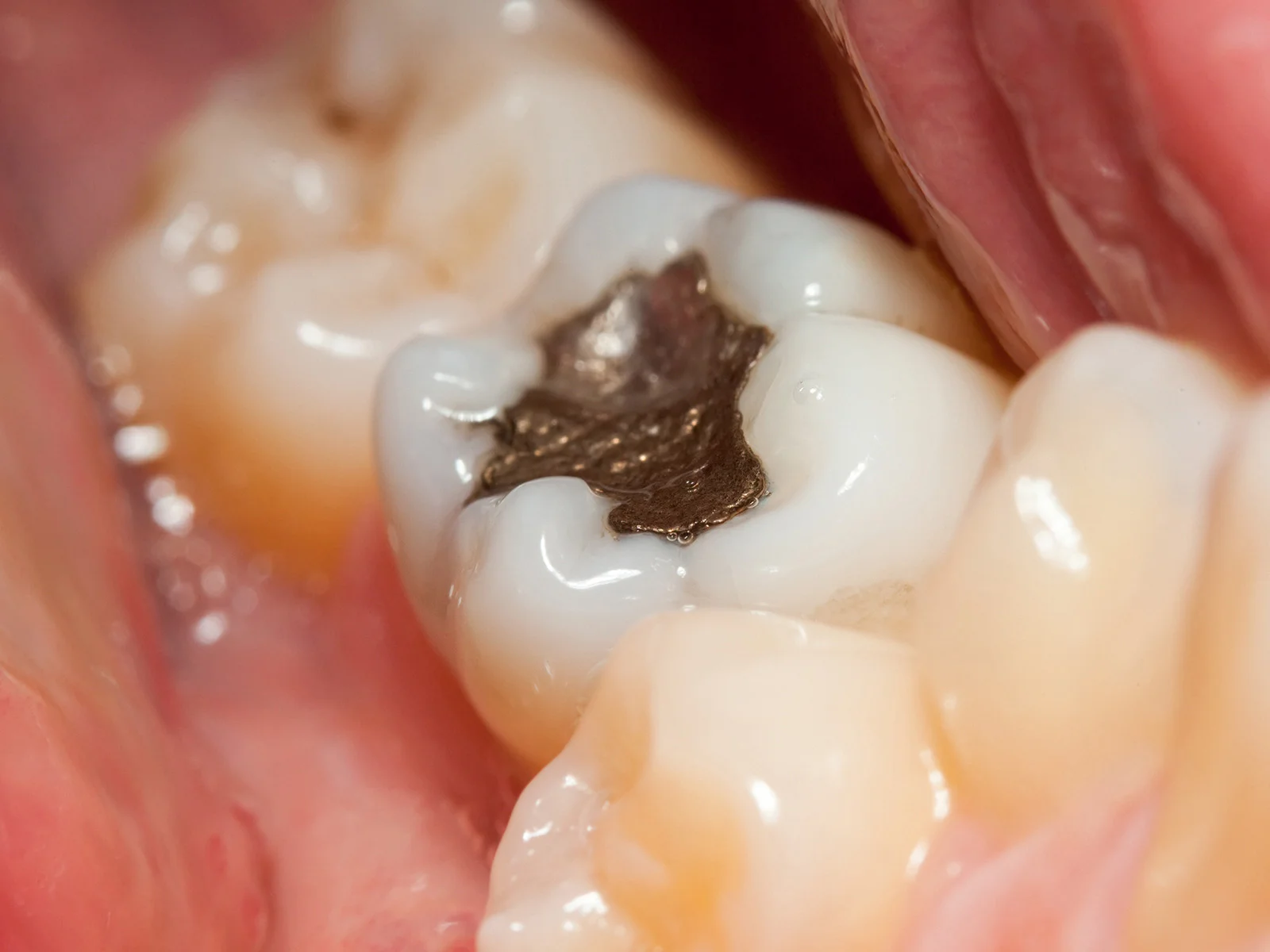
Get advice on cleaning your restored tooth, chewing habits, and when to arrange another dental assessment if needed.

Patients may ask about composite fillings, appearance, durability and placement. These answers cover common concerns, but a dentist must assess the tooth before suggesting treatment.
Composite resin can repair many cavities and small chips, but how long it lasts depends on the filling’s size, position, your bite and daily habits. Heavy chewing may cause it to wear or crack sooner than some metal fillings. A dentist can discuss the strengths and limits of each material.
Freezing may reduce discomfort while decay is removed and the tooth prepared. Use depends on cavity depth, treatment and sensitivity. Some temporary sensitivity after a filling is possible. Call your dentist if pain is severe, gets worse or continues.