
Removing mercury-containing dental material requires planning to limit exposure to vapour and particles. At our Terwillegar practice, we assess oral health, explain risks and discuss precautions when removal is needed. We use careful procedures and clear communication throughout care.

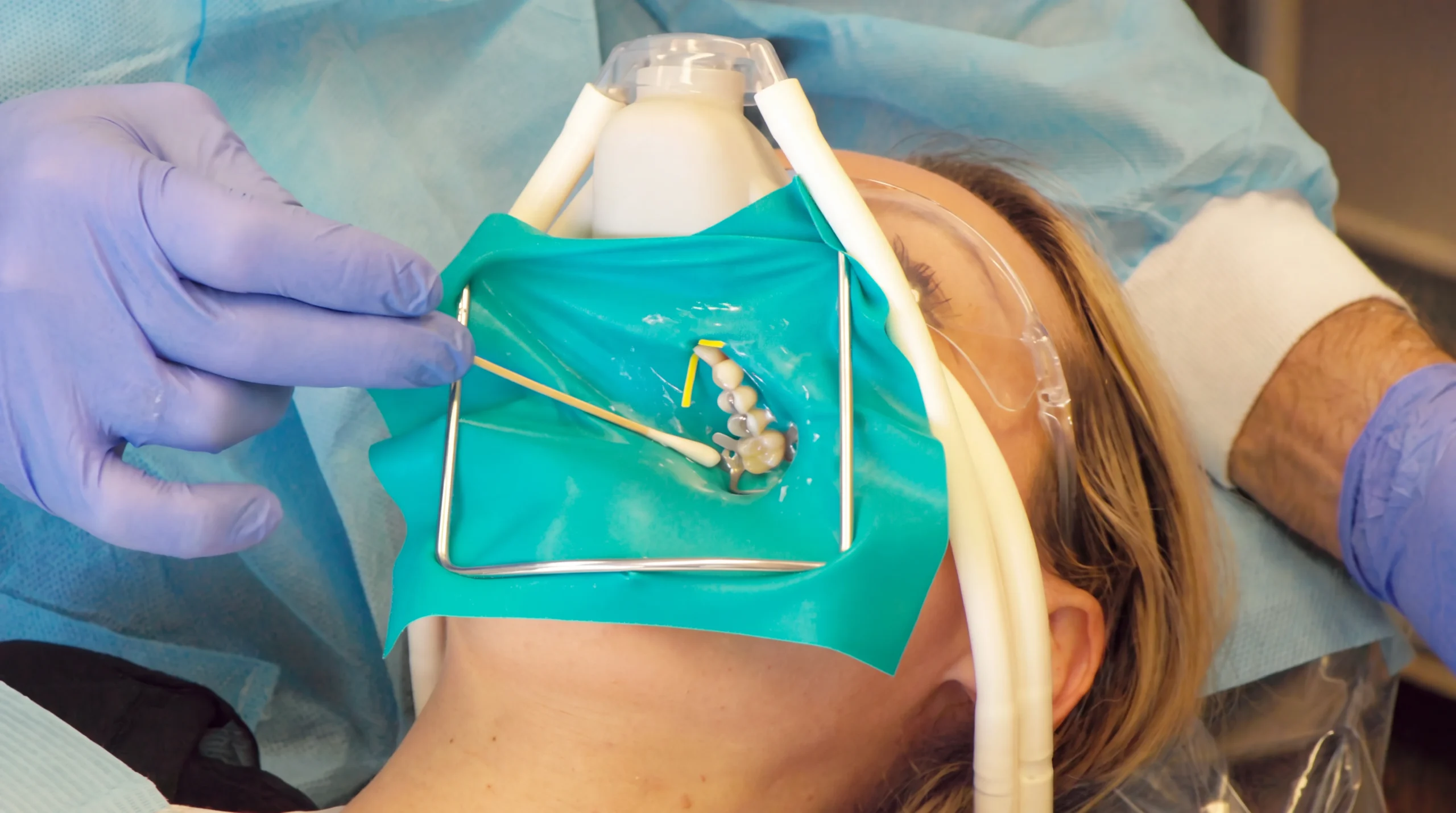
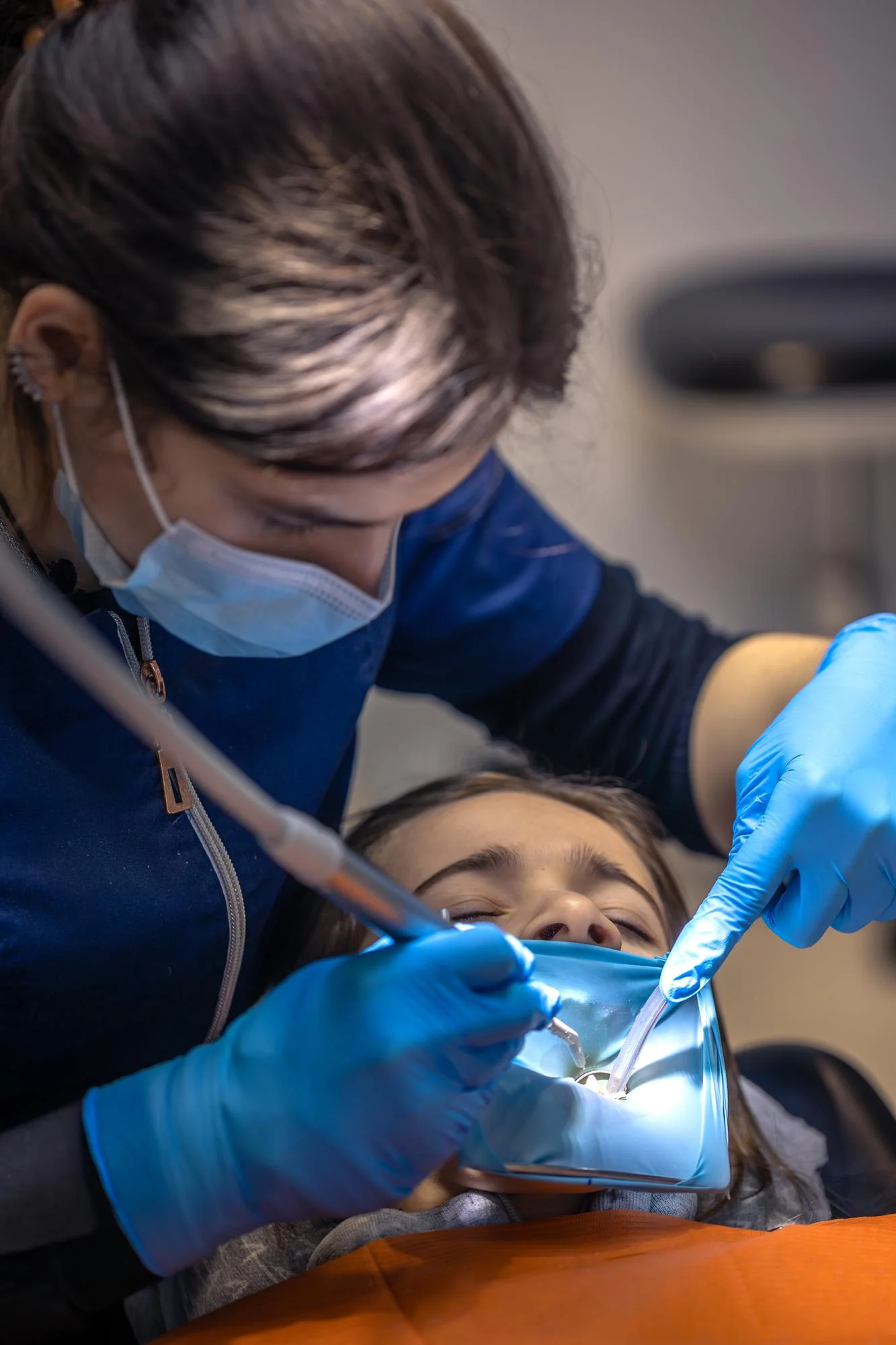
Safe mercury removal aims to limit vapour and particles during necessary dental work. Suction, cooling and isolation may help. Your dentist first checks whether removal is needed.
Review dental findings, health history and factors affecting care.
Discuss ways to limit mercury vapour and particles during removal.
Check the treated area and explain recovery and follow-up care.
Removing mercury-containing dental materials can release vapour and fine particles. Exposure controls aim to limit contact during treatment. Knowing how these precautions work helps patients ask questions about the risks, procedure and care required for a safe recovery.
Appropriate removal methods help reduce mercury vapour released during dental procedures.
Suction and other protective measures may help capture particles produced during removal.
Isolation and careful dental techniques help manage contact with surrounding tissues during treatment.
Mercury-containing dental waste requires appropriate collection, handling and disposal.

The dentist checks if removal is needed, then explains the procedure, limits and ways to manage exposure during removal.
Your visit begins with an exam and a discussion of why removal may be needed. Your dentist explains the precautions, removal process and any restorative work afterward.

Discuss dental work, medical history, sensitivities and concerns that may affect removal.
Review appropriate removal methods, protective measures and any treatment considerations, including personal needs.
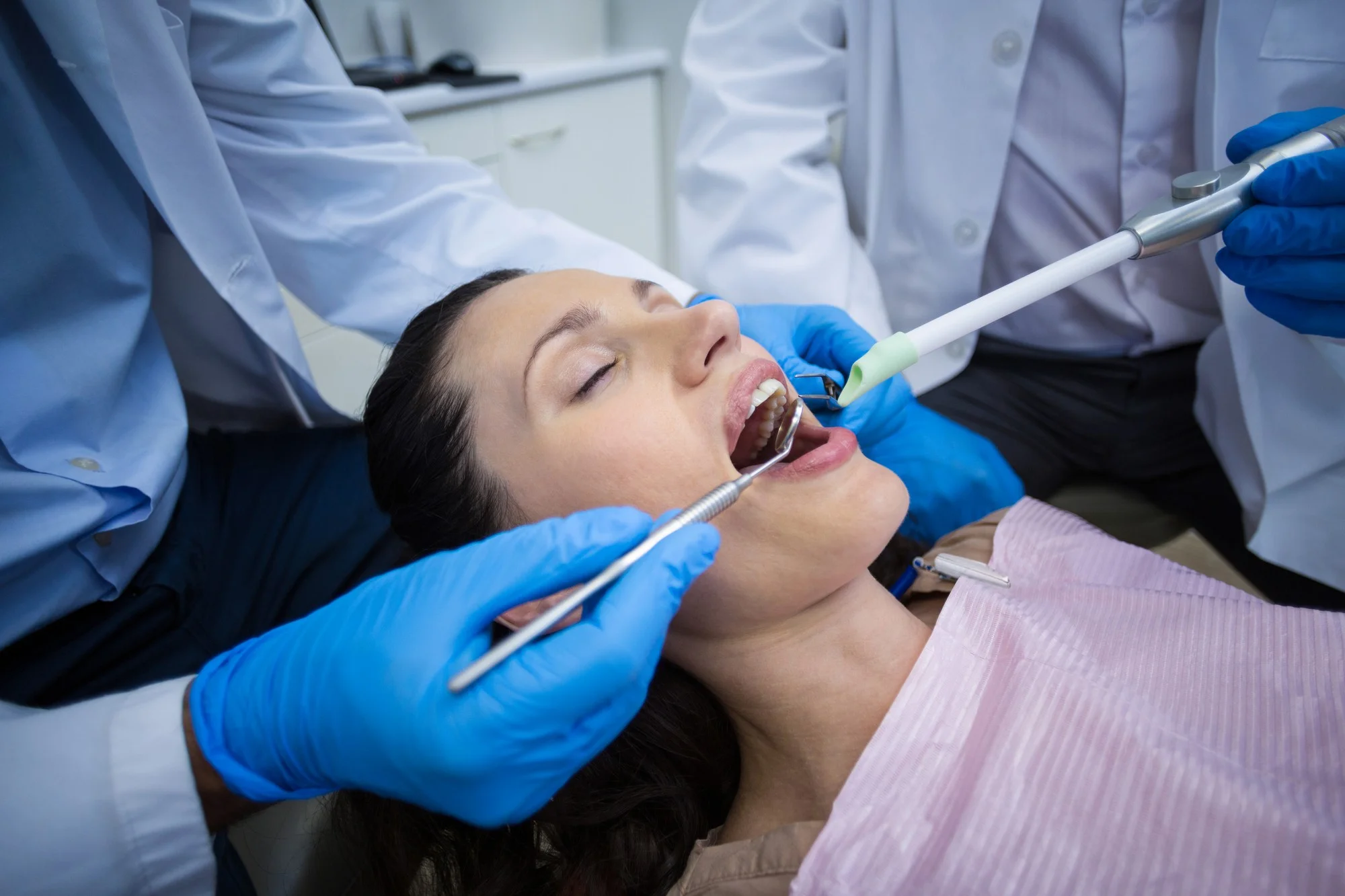
Remove the affected dental material using appropriate techniques intended to limit particle and vapour exposure.
Check the treated area, complete any necessary restoration and review follow-up recommendations for continued care.

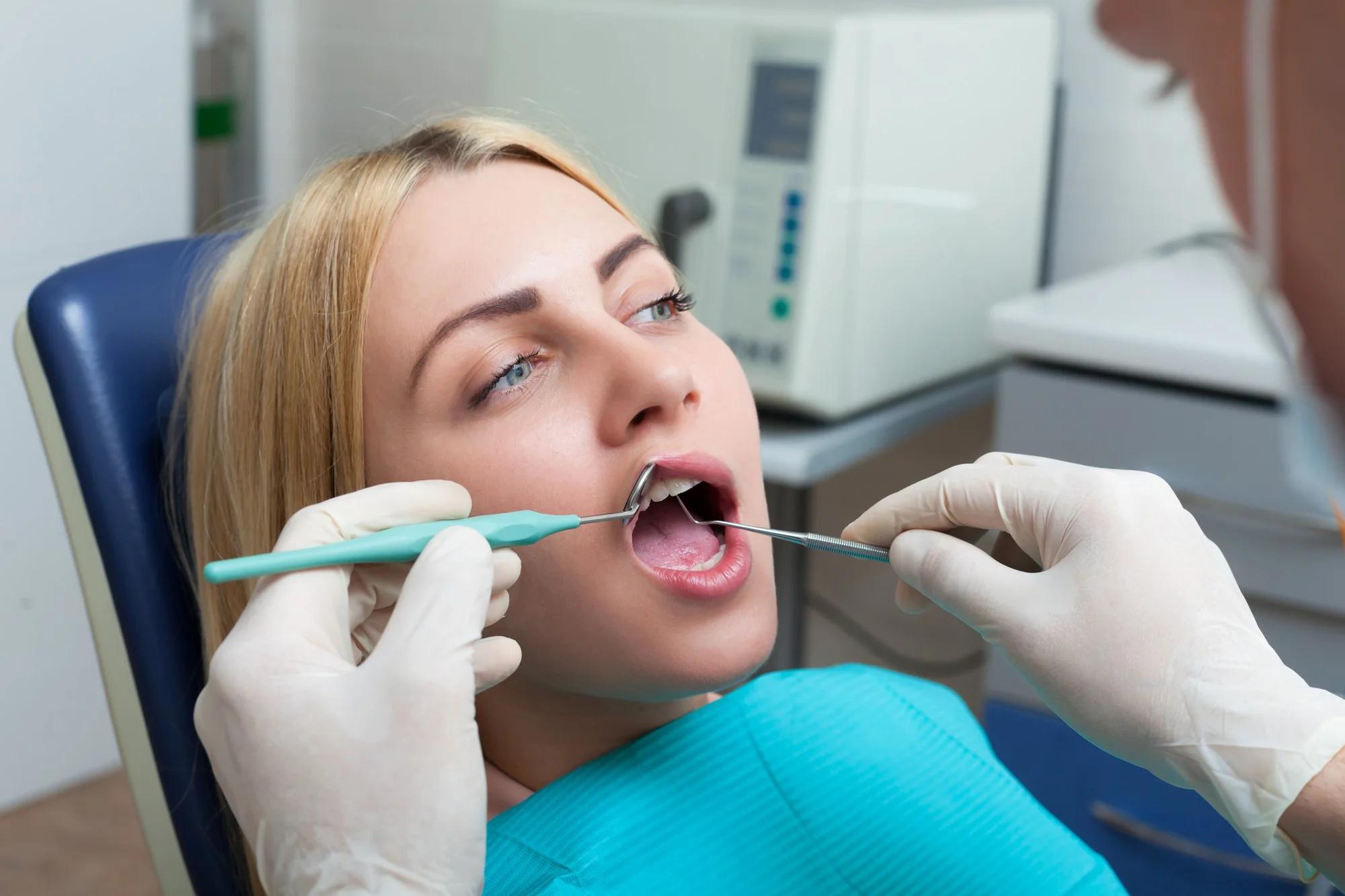
Dental conditions require different removal methods and precautions. Your dentist reviews the tooth, medical history, available equipment and planned procedure before deciding how to proceed.
The location, size and condition of the affected restoration influence the removal procedure.
Pregnancy, kidney conditions or material sensitivities may affect treatment decisions.
Suction, cooling and isolation may help limit mercury exposure.
Remaining tooth structure and restoration needs affect treatment and follow-up care.
We recognize concerns about mercury exposure. We check dental findings and discuss whether removal is needed. If it is, we explain the procedure, precautions and aftercare.
Review health history, material sensitivities and dental concerns.

Understand what exposure controls aim to achieve and their limitations.
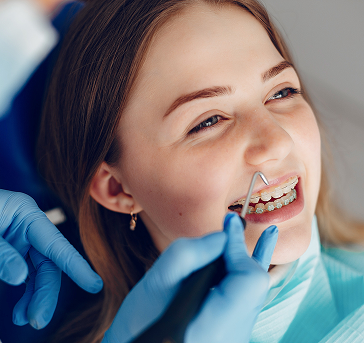
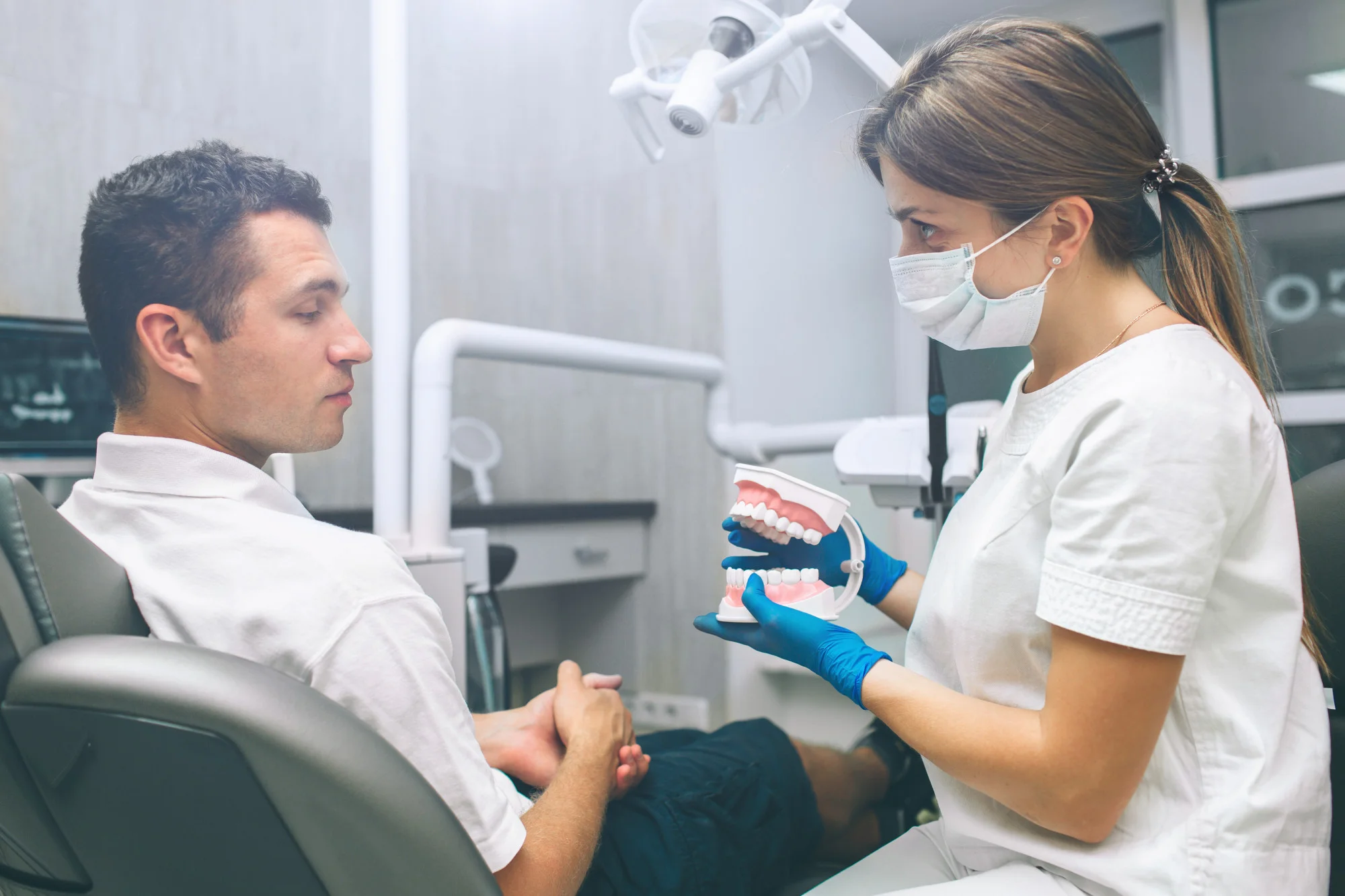
Learn what happens before, during and after removal so you can make an informed decision.
Receive instructions for caring for the treated area and recognizing concerns that require attention after removal.
Patients ask about mercury exposure and removal safety. These answers explain common concerns, but an exam is needed to decide if treatment suits you.
No method can eliminate all mercury exposure. Removing mercury-containing restorations can release vapour and particles despite precautions. Suction, cooling and isolation may limit exposure. Ask your dentist which methods apply and what risks remain before treatment.
Not routinely. Canadian guidance advises against removing sound amalgam fillings solely due to mercury. Removal can briefly increase exposure and remove healthy tooth. A dentist should assess damage, decay or medical reasons before removal.