
Snoring, mouth breathing, restless sleep or morning jaw tension may raise concerns about breathing during sleep. At our Terwillegar practice, we review symptoms and oral findings to see whether further medical sleep assessment may be helpful. Dental screening cannot diagnose sleep apnea.


Sleep airway screening reviews reported sleep concerns and dental findings. It may point to further medical assessment, but cannot diagnose obstructive sleep apnea.
Discuss snoring, breathing habits, poor sleep and morning symptoms.
Review oral structures, tooth wear and jaw findings for screening.
Discuss medical or sleep referral when symptoms warrant more testing.
Snoring, mouth breathing and poor sleep have many possible causes. During your dental visit, questions about sleep and examination of oral structures may identify concerns worth discussing with a physician. Only a formal medical evaluation can diagnose a sleep disorder.
Snoring can signal a possible sleep-related breathing concern, but cannot establish a diagnosis on its own.
Breathing through the mouth, tongue posture and related habits may warrant discussion during an oral assessment.
Morning jaw tension or tooth wear may relate to clenching and should also be assessed as dental concerns.
A physician or sleep specialist can review breathing concerns and decide if more testing is needed.

Symptoms, oral findings and referral needs are reviewed together to help guide next steps without treating any sign as proof of sleep apnea.
We discuss sleep concerns, carefully review relevant oral findings and explain when medical testing may be appropriate. A dental assessment alone cannot diagnose or confirm sleep apnea.
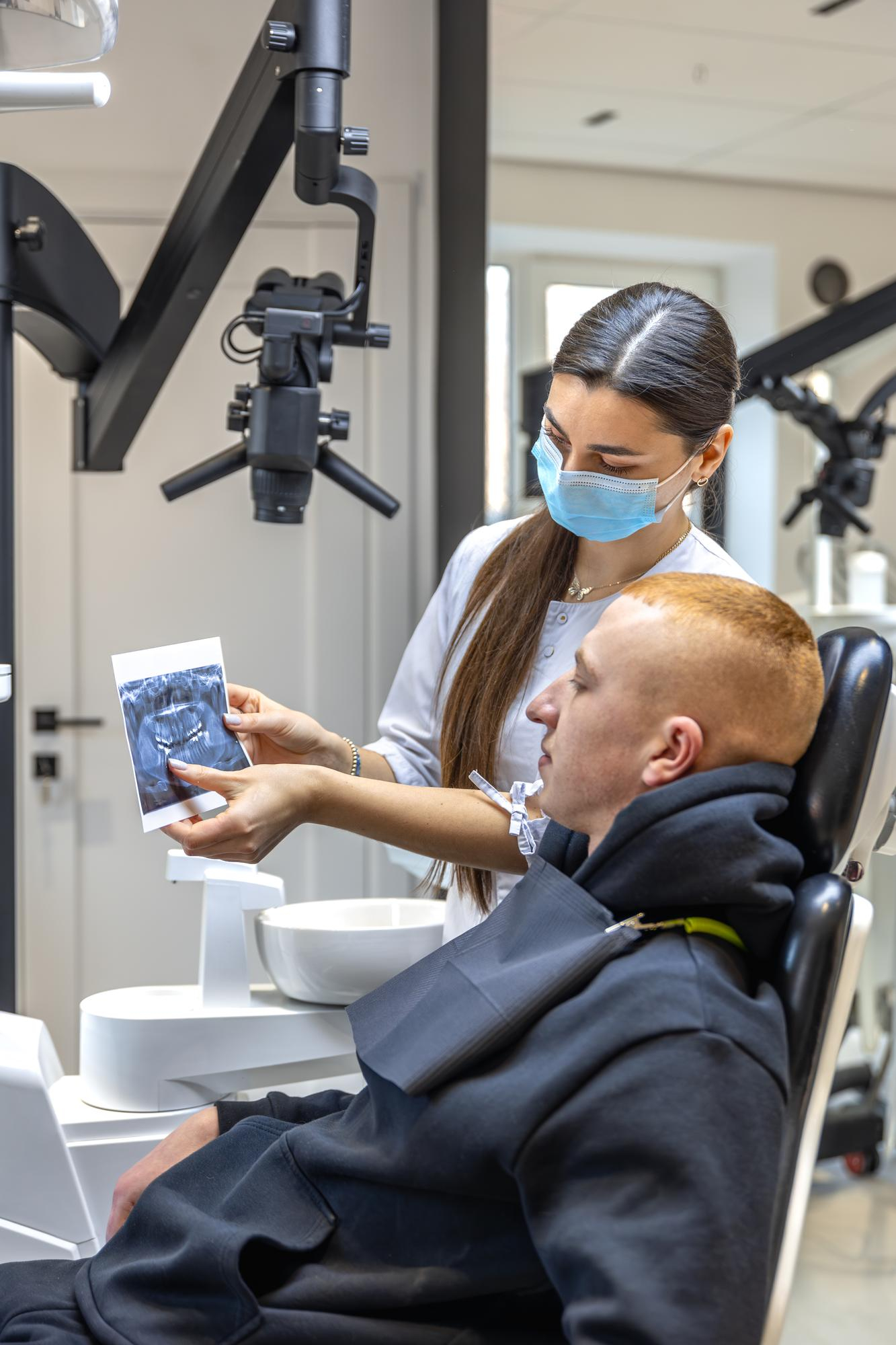
Review snoring, mouth breathing, sleep quality, morning symptoms and previous sleep testing.
Review visible oral structures, tooth wear, jaw movements, airway signs and relevant dental history.
Discuss which findings are relevant, what remains uncertain and whether medical assessment is needed.
Review whether dental care, monitoring or medical sleep referral is appropriate, without assuming everyone needs treatment.

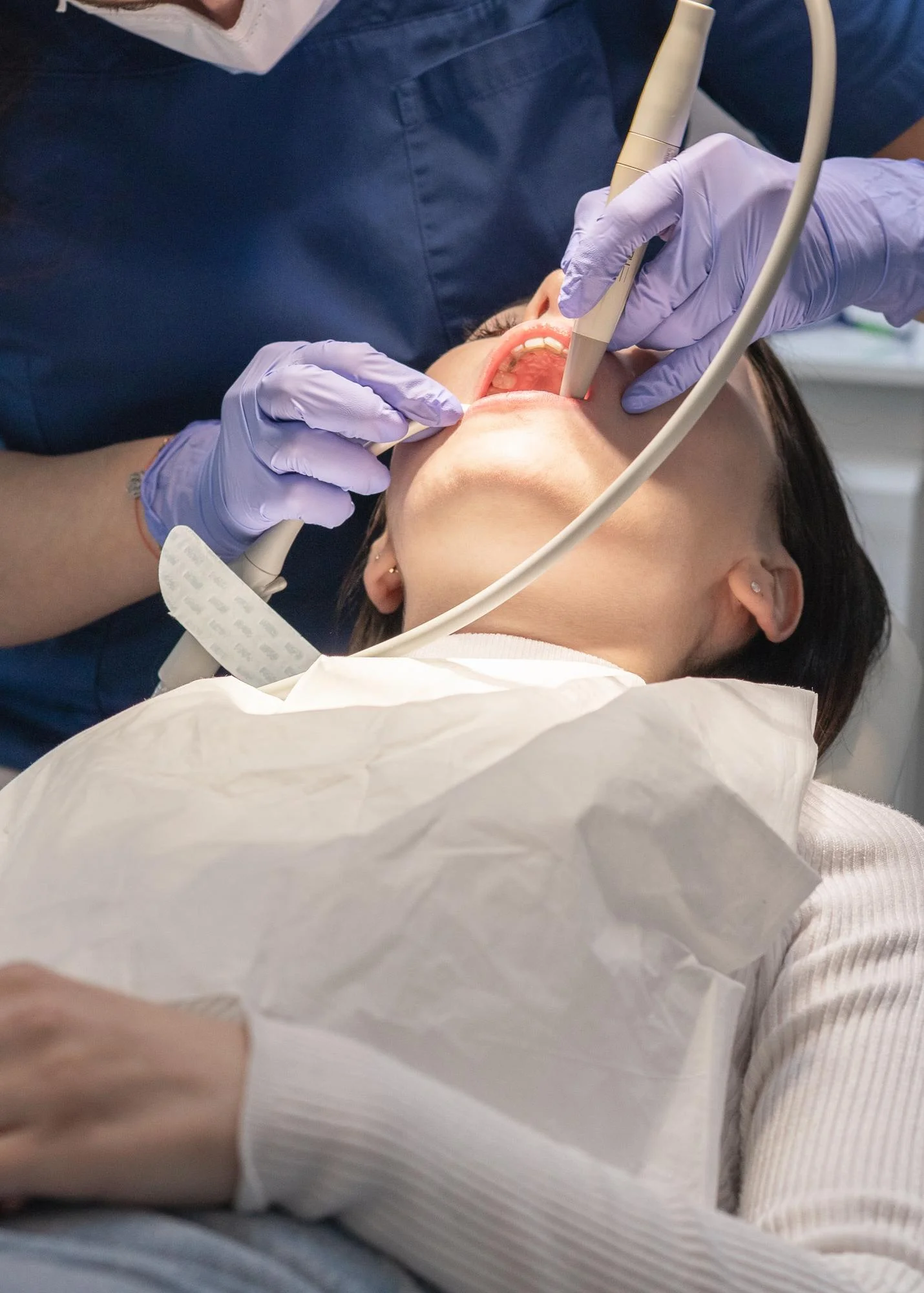
Loud snoring, breathing pauses noticed by others or poor sleep deserve attention. A dentist may observe oral signs, but symptoms have several causes. A physician or sleep specialist evaluates suspected sleep apnea.
Frequent, disruptive snoring may justify medical review, particularly with other sleep-related symptoms.
Daytime or nighttime mouth breathing may be relevant to oral function and airway discussions.
Persistent fatigue or restless sleep calls for review of possible causes.
Morning jaw soreness or clenching may overlap with sleep issues and needs dental assessment.
We listen to your concerns and review oral findings without giving a medical sleep diagnosis. Results may suggest dental monitoring, care or referral to a physician for evaluation.
Share snoring, disturbed sleep, mouth breathing or symptoms observed by others.
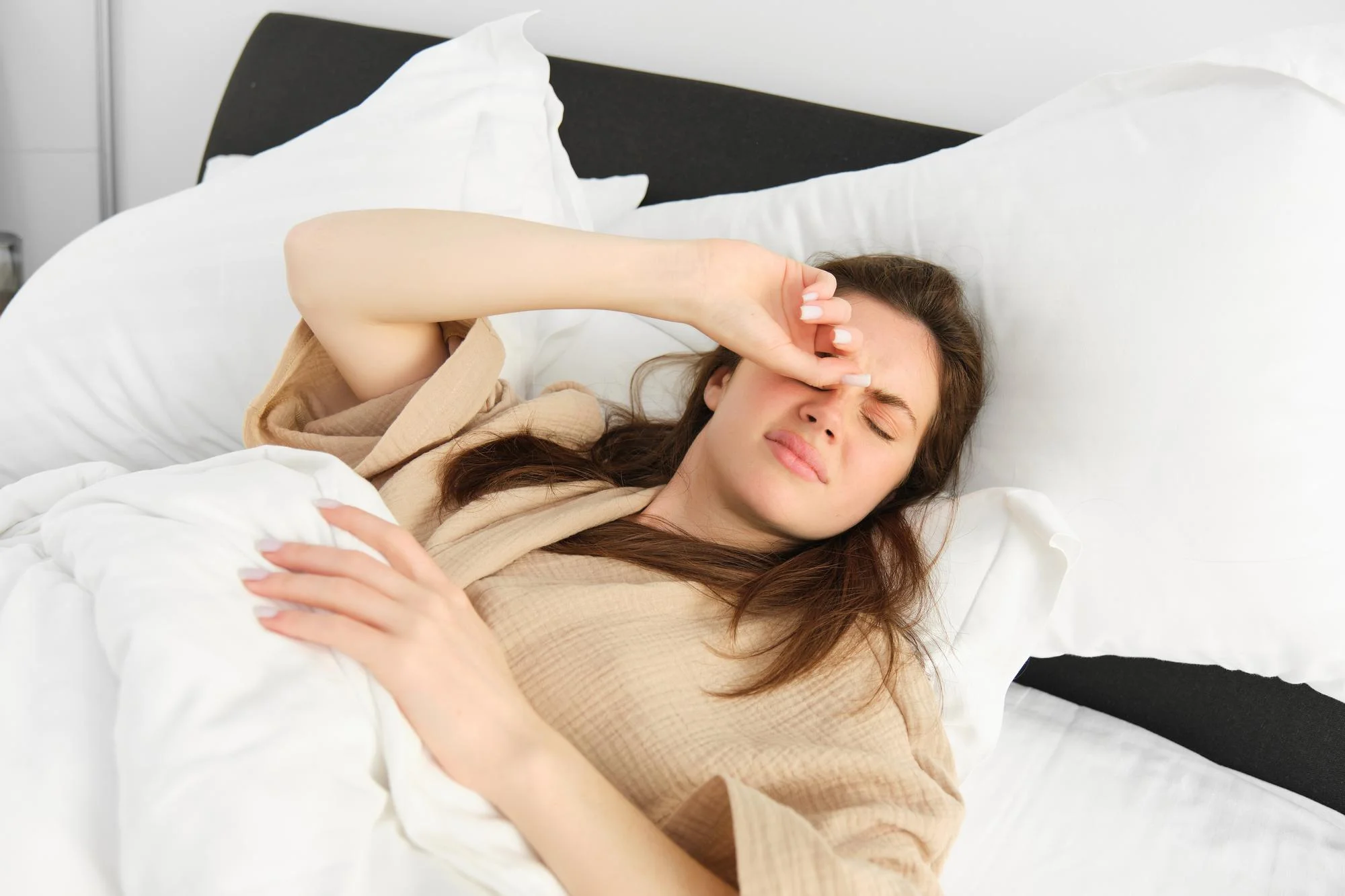
Understand what tooth wear, jaw signs and oral features may or may not show.

Sleep apnea diagnosis requires medical assessment; dental screening cannot replace it.

Ask whether dental follow-up, oral-function review or a medical sleep referral is appropriate for your symptoms.
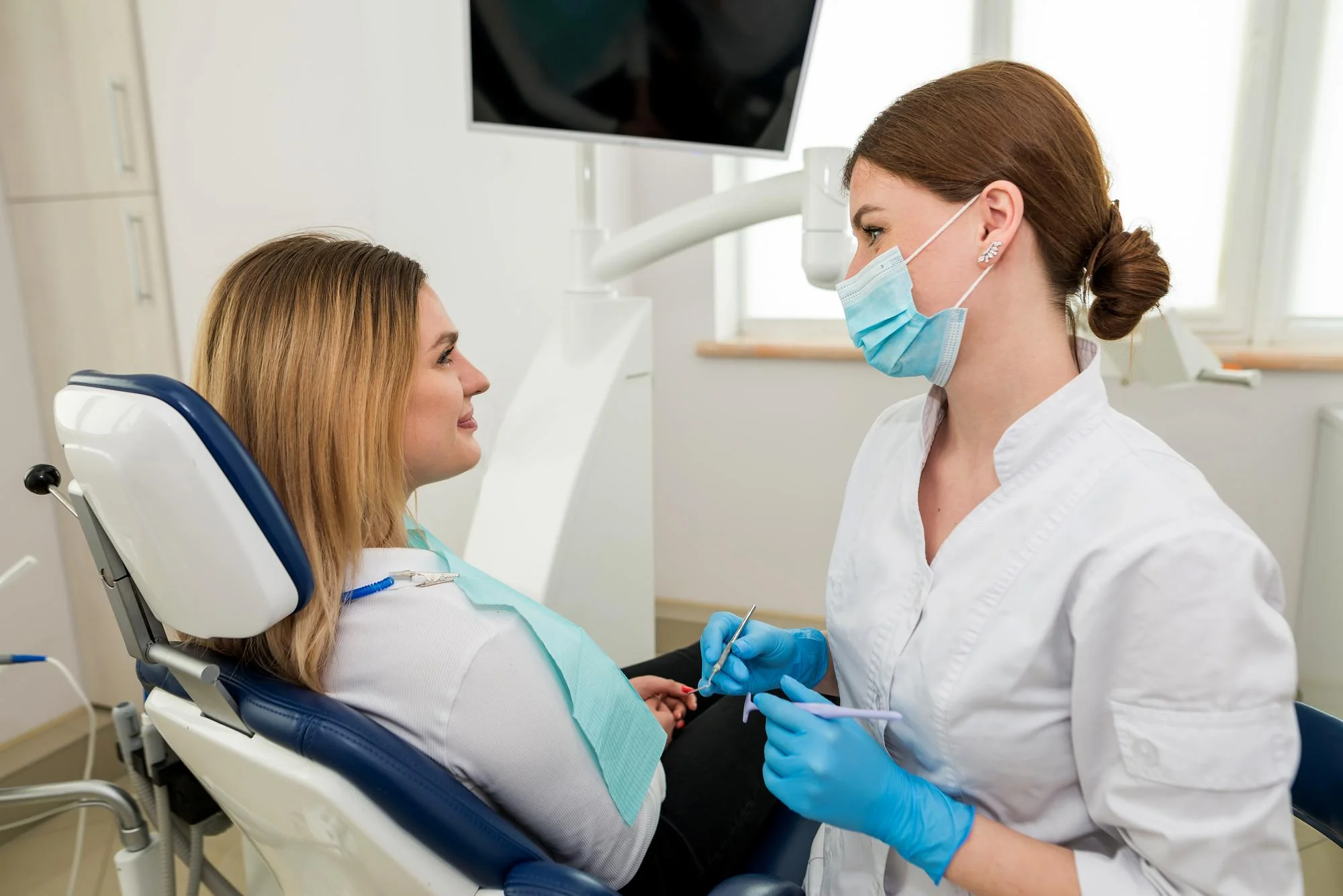
These answers explain dental screening and medical referral. Symptoms and oral findings cannot independently diagnose sleep apnea, and individual assessment is required.
No. A dentist may notice oral findings and discuss symptoms that suggest further evaluation, but obstructive sleep apnea requires a medical diagnosis. Your dentist can explain what was found and why a physician or sleep specialist may need to assess your breathing during sleep.
Not always. Snoring has several causes and may need medical review. If sleep apnea is suspected, a physician determines whether it is present and how severe it is. Any oral appliance discussion should follow diagnosis and involve the medical team.