
Jaw pain, clicking or trouble opening your mouth can affect eating and speaking. At our Terwillegar practice, we review your symptoms, examine jaw movement and discuss what the findings may mean. When appropriate, we explore non-invasive care and whether further assessment is needed.



A TMJ assessment reviews jaw symptoms, movement and nearby muscles. It helps your dentist consider possible causes and discuss monitoring, simple care or referral.
Check how far the jaw opens and whether movement brings on pain.
Check jaw-muscle tenderness and pain during chewing or speaking.
Discuss jaw sounds, clenching and changes in how your teeth meet.
Jaw pain may come from muscles, the joint or other conditions. An assessment reviews how symptoms began, what brings them on and how your jaw moves. These findings can guide advice, monitoring or referral without assuming that every click or ache needs treatment.
Review when jaw pain occurs, how long it lasts and whether chewing makes it worse.
Examine mouth opening, jaw movement and any locking or restriction while moving.
Clicking without pain may not need treatment; pain or limited motion needs review.
Discuss self-care, follow-up visits or specialist advice based on the examination results.

Jaw symptoms, movement and nearby muscles are considered together during an assessment to understand possible causes of pain.
We review your symptoms, examine jaw movement and evaluate nearby muscles for signs of tension or tenderness. Advice and any next steps depend on what your assessment reveals.

Describe pain, clicking, locking, injury and when symptoms began.
Examine jaw opening, side movements and tenderness near the joint to check for pain, clicking or restricted motion.
Discuss whether muscles, joints or another dental concern may explain your symptoms and help guide your next steps.
Review self-care measures, ongoing monitoring, a splint assessment, or referral when appropriate for your symptoms.


Seek an assessment if jaw pain affects chewing, you cannot open normally or your jaw locks. Painless clicking alone may not need treatment. Sudden severe swelling, fever or trouble swallowing needs urgent medical care.
Pain around the jaw joint or temples may worsen during chewing or speaking.
Clicking with pain or a jaw that catches or locks may need assessment.
Difficulty opening your mouth or moving your jaw may need further review.
Jaw disorders may occur with headaches or ear-area pain; other causes need checking.
We listen to your concerns, examine jaw movement and discuss the results. Care may begin with simple steps, monitoring or referral when needed.
Describe your pain, jaw sounds and what makes symptoms better or worse.
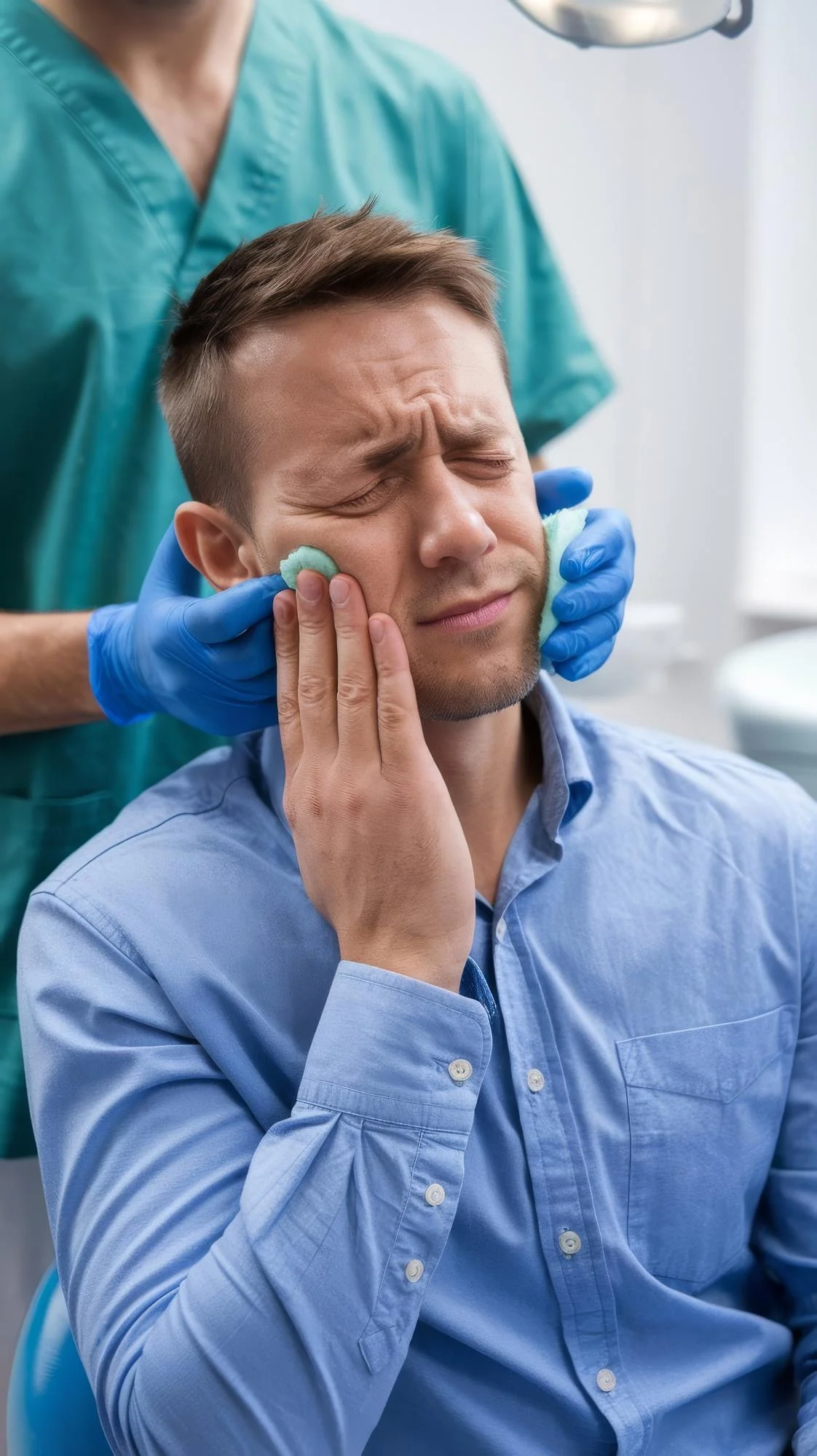
Review what was found and which symptoms need closer attention.

Discuss short-term diet changes, jaw rest or other non-invasive care when appropriate.

Learn whether follow-up care, a splint assessment or specialist referral may be appropriate based on your symptoms.

Jaw clicking and pain can raise questions. These answers offer general information; an assessment is needed to understand your symptoms.
Not always. Jaw clicking can happen without pain or difficulty moving the jaw. Painless sounds alone often do not need treatment. If clicking occurs with pain, locking or limited opening, a dentist can examine your jaw and consider other possible causes.
Yes. Your dentist can review symptoms, jaw movement and muscle tenderness without surgery. Many people improve with conservative care. Recommendations may include self-care, a splint or referral, depending on findings. Surgery is rarely needed.