
Damaged, decayed or worn teeth can affect how you eat, speak and feel about your smile. At our Terwillegar practice, we offer tooth-coloured fillings, crowns, veneers and onlays. We examine your teeth, explain the options and help you decide which treatment may suit your oral health.


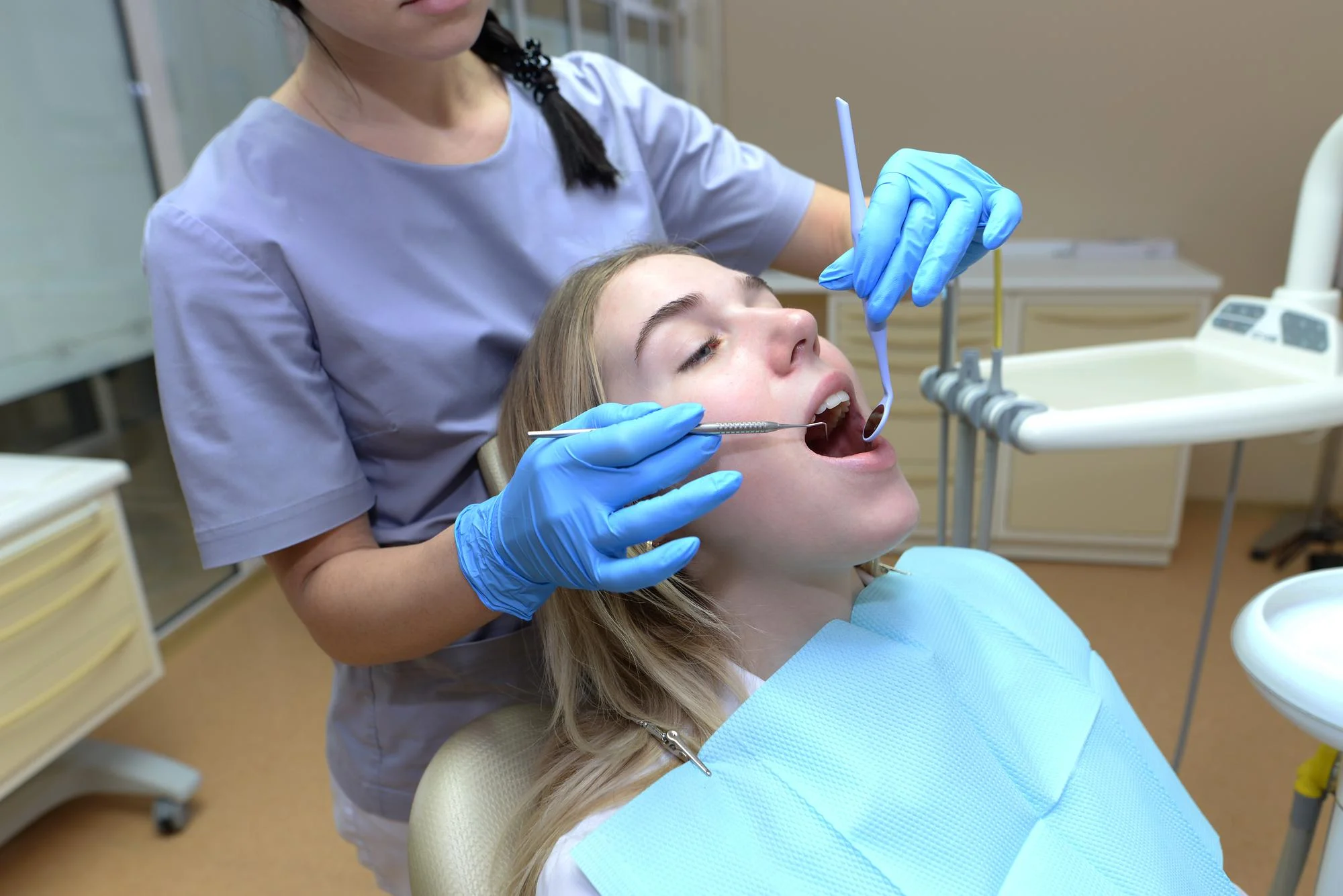
Restorative dentistry repairs teeth affected by decay, fractures, wear or past dental work. Care may replace damaged structure, protect weak areas or restore tooth shape and function.
Check damaged teeth, dental restorations, and areas needing care.
Consider fillings, crowns or onlays based on each tooth's condition.
Check restored teeth during visits and discuss suitable daily care.
Decay, fractures and worn restorations may worsen without treatment. A dental exam can show the extent of damage and whether a filling, crown or other care is appropriate. Restorative treatment aims to keep teeth functioning and preserve healthy structure when possible.
Treat areas affected by cavities, chips or fractures using restorative options appropriate to the findings.
Restore damaged tooth surfaces to help maintain chewing function and a comfortable bite.
Crowns and onlays may help protect teeth that have lost substantial structure through decay or damage.
Tooth-coloured materials may help restore the appearance of chipped, worn or discoloured teeth.

Dental problems need different treatments. We explain materials, preparation and upkeep before recommending care.
We examine the affected tooth and discuss available treatment choices. The steps depend on the extent of damage, material used and whether a restoration must be made for the tooth.

Review symptoms, past treatment, sensitivity and changes in your bite or chewing.
Assess teeth, existing dental work and surrounding oral tissues for concerns. Take dental X-rays when clinically needed.
Discuss whether a filling, crown, onlay, veneer, or another treatment is appropriate based on your examination findings.
Carry out the agreed treatment, check the finished restoration for proper fit and explain any necessary aftercare steps.


Tooth pain is not the only sign that care is needed. Cavities, cracks, worn fillings and changes to tooth structure can occur with little discomfort. An exam can identify the cause and guide the next steps.
Fillings or other restorations may be needed based on cavity size, location and remaining tooth structure.
Chipped or fractured teeth may need repair or protection, depending on the damage and its location.
Fillings may wear, fracture or need monitoring, repair or replacement.
Chips, uneven teeth or discolouration may prompt questions about veneers or other care.
We listen to your concerns, examine affected teeth and discuss treatment choices. Planning considers tooth condition, function, materials and your preferences before care.
Learn what caused the damage and whether the tooth needs repair or monitoring.

Discuss treatments that preserve healthy tooth structure where possible.

Ask about the materials being considered, their expected performance and any relevant limitations.
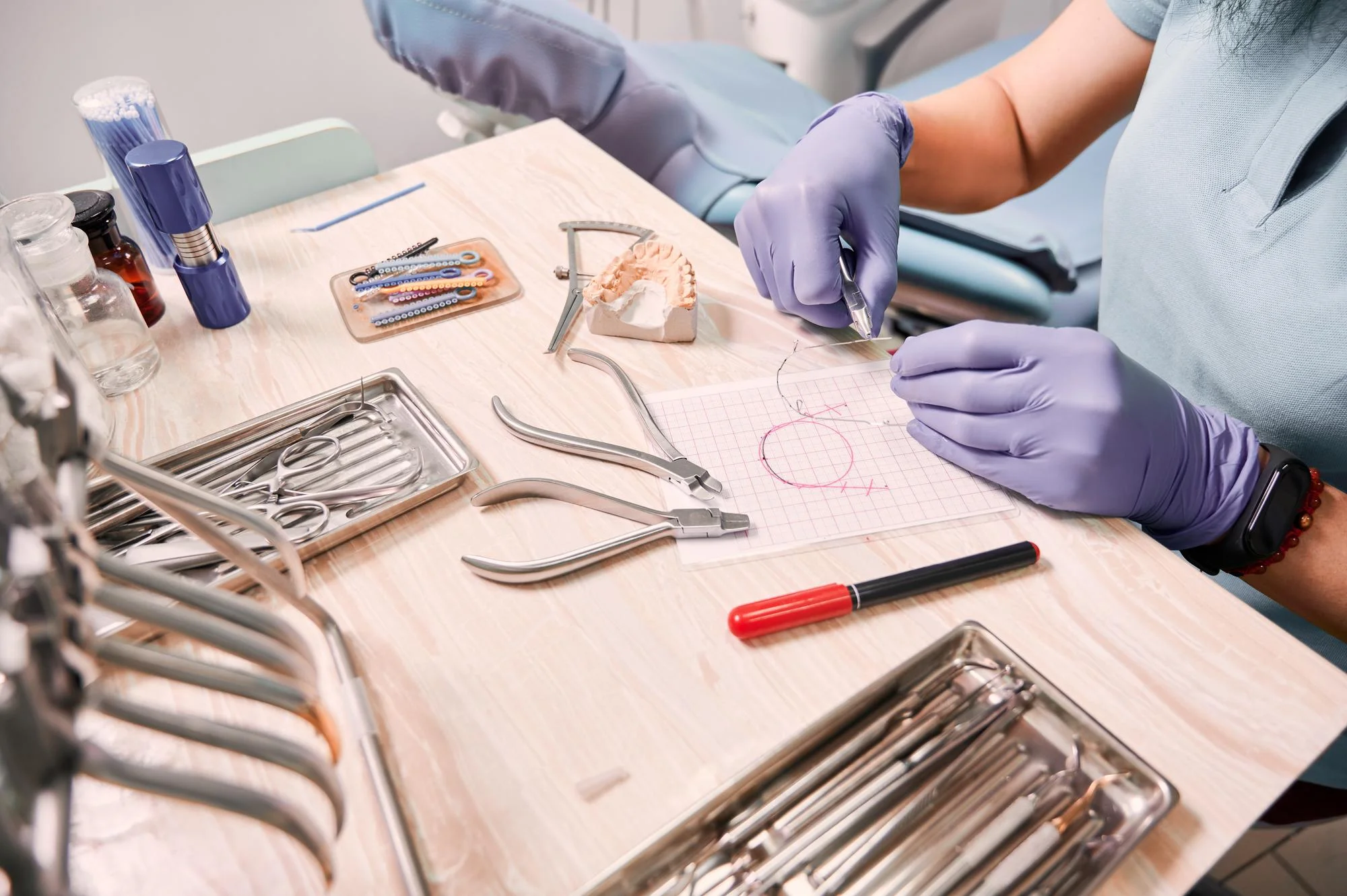
Receive guidance on brushing, cleaning between teeth and protecting restorations from unnecessary damage.

Patients often ask about materials, treatment choices and how long restorations last. These answers explain common concerns, but a dental exam is needed to select appropriate care.
Treatment depends on affected tooth structure, damage location and how the tooth bites. Fillings suit smaller repairs. Crowns cover more of a weakened tooth, while onlays repair larger chewing surfaces. Your dentist can explain options after examining the tooth.
Restoration lifespan depends on material, size, location, bite and daily care. Fillings, crowns and onlays may need repair or replacement. Brush with fluoride toothpaste, clean between teeth, avoid hard objects and attend exams to help maintain them.